




As South Africa celebrates Women’s Day this August, we salute every woman who is making a change in her community. Whether socially, economically, politically, professionally, or in any sphere of society. Their contribution to progress and development is immensely recognized. As we celebrate this Day and the legacy of powerful women is still felt in every policy, law, act, and structure implemented, as well as their ongoing advocacy for women’s rights.
Through various interventions by the government, civic societies, and the South African private sector, women are not left behind as they are increasingly part of the corporate landscape. The number of women in leadership roles has steadily risen, and they have assumed key positions, with the assistance of evolving company culture and policies. Women leaders can be found across various departments, taking on roles from management to supervision, and driving change within their organizations. Various organizations continue to put women in leadership roles to train, coach, and be changemakers.
The current number of women CEOs exceeds that of previous years, reflecting an increase in the development, training, and integration of women in decision-making roles. This trend continues to grow as more women enhance their skills, education, qualifications, and venture into entrepreneurship. Their efforts and determination continue to change the way society operates as they challenge the status quo.

Though there’s an increase in women CEOs in South Africa, they continue to face challenges that are detrimental to their development across various industries and sectors, including tech, IT, media, agriculture, tourism, finance, sports, arts, and culture, among others. Despite years of policy interventions, forums, webinars, and engagements with the public and private sectors, progress is slow. Other challenges often highlighted include the gender pay gap in corporate structures, funding for women in business, and training in scarce professions, although these are constantly being addressed with the hope of making progress in these areas.
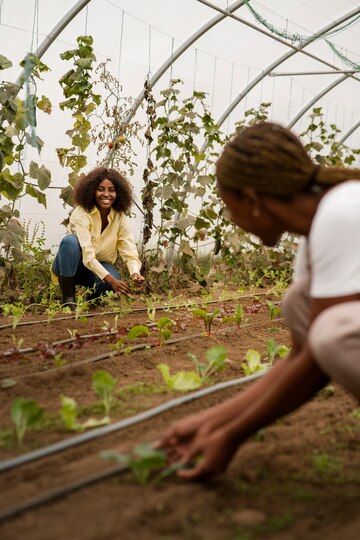
Women play a vital role in driving social impact within their local communities to enhance the lives of their fellow citizens. The broken family structure continues to haunt South African communities, women, and the youth with the prevalence of child-headed families, and other ailments troubling society. Nevertheless, the commendable mobilization of tools and resources by women through Non-Governmental Organizations (NGOs) has contributed immensely as seen in the establishment of soup kitchens, community gardens, and the provision of food parcels to vulnerable communities and families.

Observing Women’s Month in August 2024 signals our commitment to healing past wounds and creating opportunities for women to thrive in the future. It is imperative to monitor, engage, and review policy implementations through the active participation of women. While South Africa’s democracy has made strides, challenges persist in women’s transformation across various sectors. Continuous engagement and accountability are essential in both the government and private sector to champion women in leadership roles. Expedite transformation across social, political, and economic spheres. South African women commemorate this day by honoring the legacy of past women leaders and continuing their pursuit of success for women. Pushing beyond boundaries with the slogan “wathinta abafazi wathinta imbokodo” (you strike women, you strike a rock).
By Isaac Lekgothoane
https://www.linkedin.com/in/isaaclekgothoane/