


Across South Africa, educators are seeing the increasing importance of equipping children with practical tools to cope with change and uncertainty. At St Martin’s School in Johannesburg South, resilience is woven into the fabric of daily learning, from the Pre-Prep years right through to matric. While each child’s journey is unique, research consistently points to several evidence-based strategies that help young people build confidence, adaptability and emotional balance. “At St Martin’s, we see resilience as something nurtured daily, not taught in isolation,” says Warren Venter, Headmaster of St Martin’s School. “Children thrive when they’re supported to take small risks, work through challenges and discover their own strengths.”
Five practical steps to strengthen resilience in young people
- Encourage a growth mindset
Children who believe abilities can be developed – rather than fixed – are more likely to persevere when tasks feel difficult. Teaching them to view setbacks as learning opportunities builds emotional flexibility and long-term motivation.
- Strengthen supportive relationships
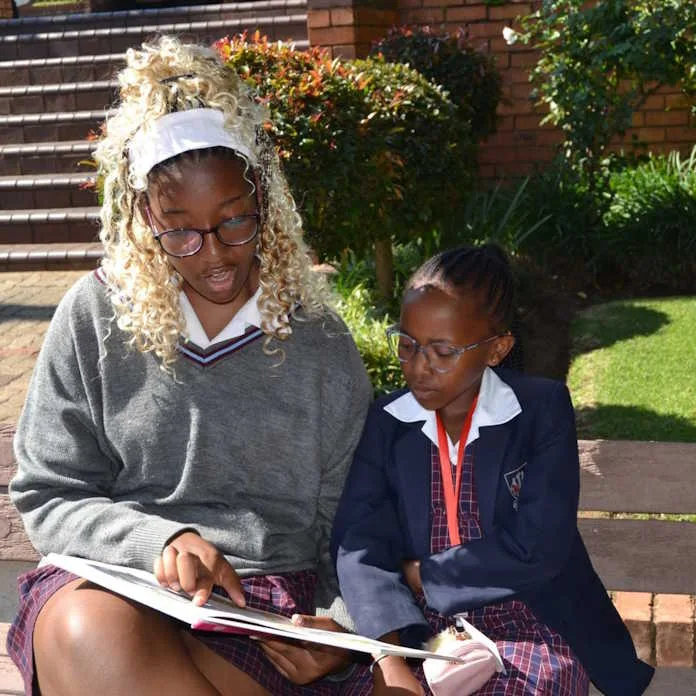
Stable, caring connections with teachers, parents and peers provide a secure base from which children can explore, take healthy risks and recover from disappointment. A strong sense of belonging at school is consistently linked to higher resilience.
“A school community plays a vital role in helping young people feel seen and supported. When children know they belong, they are much more willing to persevere through difficulties,” comments Venter. - Teach emotional regulation and problem-solving
Young people thrive when they learn to identify their emotions, calm themselves and think through challenges step by step. Simple strategies – such as breaking down problems, taking mindful pauses or brainstorming solutions – help them build confidence and independence.
- Model resilient behaviour
Adults who respond to stress calmly and constructively demonstrate that challenges are manageable. When children observe problem-solving, positive self-talk and seeking support when needed, they are more likely to adopt these habits themselves.
- Create structured, supportive environments
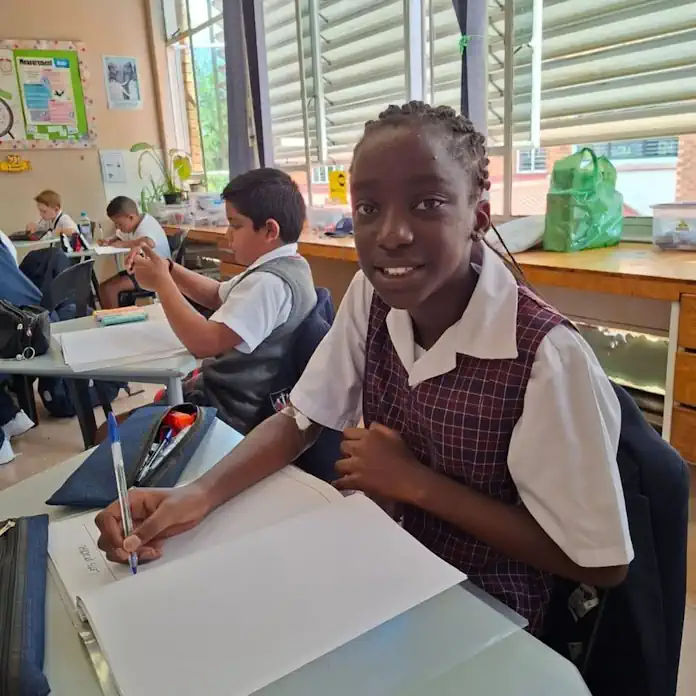
Clear routines, consistent expectations and opportunities for creative exploration help children feel grounded and capable. Schools like St Martin’s intentionally design learning spaces and collaborative experiences that nurture curiosity, perseverance and healthy coping skills.
“Resilience grows when children know they are not facing life alone,” says Venter. “Our goal is to walk alongside them – offering structure, encouragement and the space to discover who they are becoming.” By working together – schools, families and communities – we can help young people face life’s ups and downs with confidence, optimism and a deep belief in their own ability to grow.
For more information about how St Martin’s School integrates wellbeing and resilience into its curriculum and community life, visit stmartin.co.za.