


The question of whether a child is ‘school-ready’ can create pressure surprisingly early. Much of the anxiety rests on a narrow idea of readiness. Early academic skills matter, but they are only part of the picture. A child also needs to cope with separation, join a group, communicate a need, recover from disappointment and feel secure enough to attempt something unfamiliar.
“School readiness is not about raising the child who can do the most before school starts,” says Ursula Assis, Country Director of Dibber International Preschools South Africa. “It is about helping children feel secure enough to try, adapt, build relationships and enjoy learning. Those are the foundations that help children settle and thrive.”
For parents trying to judge whether their child is ready, it may help to set aside some of the myths.
MYTH 1: CHILDREN SHOULD BE ABLE TO READ BEFORE THEY START SCHOOL
A child who reads early may enjoy it and benefit from it. But reading before school is not a guarantee of later success, nor is its absence a sign that something is wrong.
Children develop literacy at different rates. The groundwork is often laid quietly through bedtime stories, songs, rhymes, conversation and opportunities to look at books without being tested on them.
Parents can support early literacy by talking with children, reading aloud and allowing them to retell stories in their own way. A child who studies the pictures, predicts what might happen next or invents a new ending is already working with language and meaning.
Pressure can have the opposite effect. If reading becomes a performance before a child is developmentally ready, it may weaken the curiosity that literacy depends on.
MYTH 2: A SCHOOL-READY CHILD SHOULD SIT STILL AND LISTEN QUIETLY
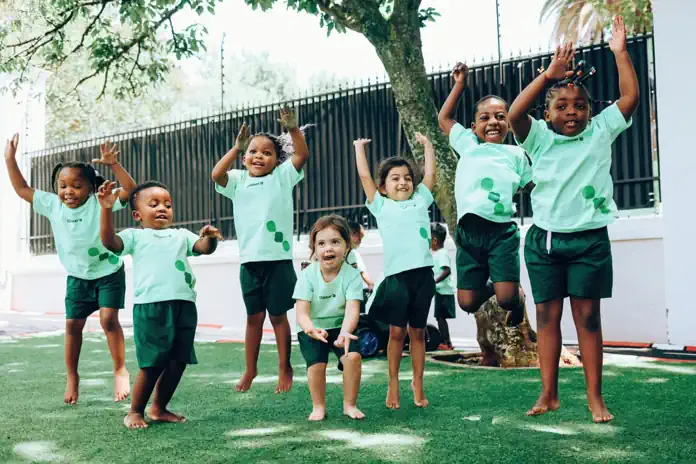
Young children are built to move. Running, climbing, balancing and exploring are part of healthy development, rather than evidence that a child is incapable of learning.
The more useful question is whether a child is gradually learning to participate in a routine. Can they listen to a short instruction? Move from one activity to another with support? Wait briefly for a turn? Return to an activity after becoming frustrated?
“There is a tendency to confuse readiness with behaviour that is convenient for adults,” says Assis. “Young children are still learning how to regulate themselves. Readiness is reflected in that growing capacity, rather than constant composure.”
Self-regulation develops over time through predictable routines and patient adults. The occasional protest, burst of energy or emotional wobble is part of the process.
MYTH 3: ACADEMIC SKILLS MATTER MORE THAN SOCIAL AND EMOTIONAL DEVELOPMENT
Counting, recognising shapes and beginning to write a name are visible signs of progress. Social and emotional development is harder to measure, but it has a direct bearing on how a child experiences school.
A child needs to be able to ask for help, share space with others and cope when another child is chosen first. They need some way of expressing frustration without becoming completely overwhelmed.
These abilities are still developing when children enter school. Parents should not expect mastery. What matters is that the child is beginning to build them and is supported by adults who respond calmly.
A child who feels safe is more likely to participate, ask questions and attempt difficult work. Emotional security creates room for learning.
MYTH 4: READINESS SHOULD LOOK THE SAME FOR EVERY CHILD
Children do not develop according to a single timetable.
One child may speak confidently but still be strengthening the hand muscles needed for drawing and writing. Another may be quiet in a group but observant, independent and deeply engaged. Some children enter new settings easily. Others need time before they feel comfortable enough to participate.
Comparisons can turn normal differences into unnecessary concerns. Online posts and parent-group conversations rarely show the complete child. They show a milestone, usually without the context around it.
Parents will learn more by watching how their own child approaches the world. What interests them? What unsettles them? Where are they growing in confidence? When do they need more support?
School readiness is gradual. Personality, relationships, health and previous experiences all influence how it develops.
MYTH 5: MORE WORKSHEETS MEAN BETTER PREPARATION
Worksheets can have a limited place, but they are not the main route through which young children learn.
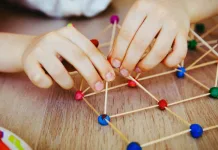
Building a tower develops planning and problem-solving. Pretend play stretches language and imagination. Outdoor play builds coordination, judgement and physical confidence. Drawing, threading and working with playdough strengthen the fine-motor control later used for writing.
These activities may appear less formal, but they ask children to think, persist and make decisions. The learning is active, which is why it often stays with them.
Structure still matters. Children benefit from routines and thoughtful guidance. But preparation for school should remain appropriate to their age rather than turning preschool into an earlier version of formal schooling.
WHAT PARENTS CAN LOOK FOR INSTEAD
A school-ready child does not need to be perfect or unusually advanced. Parents can look for signs that their child is gradually learning to:
Communicate needs and ask for help.
Take part in everyday routines.
Play alongside or with other children.
Cope with small disappointments and recover with support.
Attempt simple tasks independently.
Remain curious and willing to try again.
These abilities will continue developing after school begins. Readiness is a foundation, not a finished state.
Parents can help by creating steady routines, reading and talking together, allowing time for play and resisting the urge to correct every mistake immediately. Small responsibilities at home can also build confidence, such as packing away toys, carrying a lunchbox or attempting to dress independently.
“Parents do not need to chase perfection in the early years,” says Assis. “Children need connection, opportunities to play and adults who believe in their ability to grow. Sometimes the strongest preparation for school is allowing children enough time to be children.”
Starting school is a significant transition, but it is not an examination of everything a parent has done. Children arrive with different strengths, needs and ways of engaging. The aim is to help them enter that new environment feeling capable, supported and ready to keep learning.