


Scalability is not just a buzzword—it’s a necessity. As organisations grow, so do their operational complexities. Managing these complexities efficiently requires a strategic approach, and that’s where workflow management and automation software come into play. By integrating these tools, businesses can streamline processes, reduce manual effort, and ensure seamless scalability. In this blog, we’ll explore how to architect scalable operations using these powerful solutions.
What is Workflow Management Software?
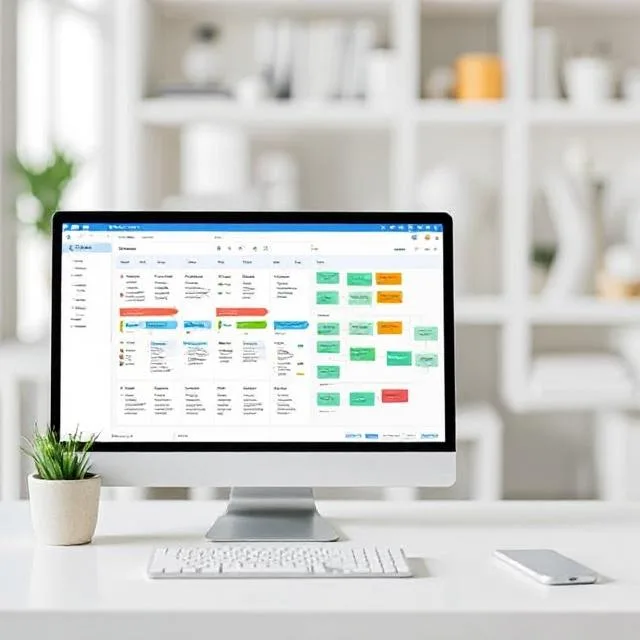
Workflow management software is the cornerstone of efficient operations. It provides a structured framework for organizing, tracking, and optimizing business processes. With tools like those listed in the best workflow management tools, businesses can map out their workflows, assign tasks, and monitor progress in real-time. This not only enhances transparency but also ensures that every team member is aligned with the organization’s goals. By eliminating bottlenecks and reducing errors, workflow management software lays the groundwork for scalable growth.
Boosting Efficiency with Workflow Automation
While workflow management software provides structure, workflow automation takes efficiency to the next level. Automation tools, such as those featured in the workflow automation tools list, enable businesses to automate repetitive tasks, freeing up valuable time and resources. From email notifications to data entry and beyond, automation ensures that processes run smoothly without constant human intervention. This not only accelerates operations but also minimizes the risk of errors, allowing businesses to scale without compromising on quality.
Integrating Workflow Management and Automation
The true power of scalability lies in the integration of workflow management and automation software. When these tools work in harmony, businesses can achieve a level of operational efficiency that is both sustainable and adaptable. For instance, a well-designed workflow management system can identify areas where automation can be implemented, creating a seamless loop of continuous improvement. This integration ensures that as your business grows, your processes remain agile and responsive to changing demands.
Key Benefits of Scalable Operations
Architecting scalable operations with workflow management and automation software offers numerous benefits. Firstly, it enhances productivity by reducing manual effort and streamlining processes. Secondly, it improves accuracy and consistency, ensuring that tasks are completed correctly every time. Thirdly, it provides valuable insights through analytics, enabling data-driven decision-making. Finally, it fosters collaboration by creating a transparent and efficient workflow that keeps everyone on the same page.
Conclusion: Building for the Future
In a world where change is the only constant, building scalable operations is no longer optional—it’s essential. By leveraging the right workflow management and automation tools, businesses can future-proof their operations and ensure long-term success. Whether you’re a small startup or a large enterprise, integrating these solutions will help you stay competitive, efficient, and ready to tackle whatever challenges come your way. Start your journey today by exploring the best workflow management tools and workflow automation tools to architect a scalable and sustainable future for your business.