


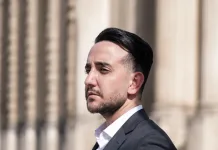

MORULENG, North West — The national Africa Day commemoration in Moruleng was marked by intensified calls for the deportation of undocumented immigrants, shifting focus from the event’s intended celebration of continental unity.
Sport, Arts and Culture Minister Gayton McKenzie addressed the gathering, linking the absence of several African ambassadors to the heightened rhetoric surrounding immigration. “For them, if they don’t want to come here, we hope the citizens can take that posture to say we are boycotting South Africa,” McKenzie stated, while simultaneously urging restraint. “I want to say to South Africans, don’t attack foreigners. They’re going to leave. But don’t fight a crime by committing a crime.”
Africa Day commemorates the 1963 formation of the Organization of African Unity, now the African Union. However, speakers at the Moruleng event expressed sentiments that some observers noted suggested tension rather than unity among African nations and communities.
McKenzie emphasized that South Africa is not a “refugee center of Africa,” while affirming that immigration enforcement must follow legal processes. “They are going to leave, but they’re going to live by the law,” he said.
Traditional leaders at the event voiced concerns about community safety. One representative stated, “The crimes and everything that is happening in the communities… it is not our community that is doing it but the foreign nationals that are doing this to our communities.” The speaker added that traditional leadership feels pressured to intervene while facing government criticism for inaction. “Our communities are the ones who are suffering and the traditional leaders are suffering too because the population in the communities is vast because of these foreign nationals.”
Community members expressed mixed perspectives. One resident cited personal trauma: “Our kids, our sisters, brothers, sisters, they have been raped. They’ve been killed. So I think it’s fair for everyone to go back home. So if you are undocumented then you’ll have to go back home.” Another resident offered a more nuanced view: “I think those who are having skills, those who are in our country legally is fine. We can have them.”
Minister McKenzie also directed criticism at former President Thabo Mbeki regarding his recent comments downplaying the scale of challenges posed by illegal immigration. “President Mbeki, like myself, we have medical. We live in houses with high walls. We are being driven around by security,” McKenzie remarked. “Now he cannot speak. He’s so far removed from the realities on the ground. Our people are saying to us they don’t want these people here anymore.”
Civic organizations, including the March and March Movement, have recently held marches calling for undocumented foreign nationals to return to their countries of origin, adding momentum to the debate.
In closing, a government representative reiterated the official stance: while South Africa welcomes lawful immigrants and continental cooperation, individuals residing in the country without legal status must be subject to existing immigration laws and procedures.