



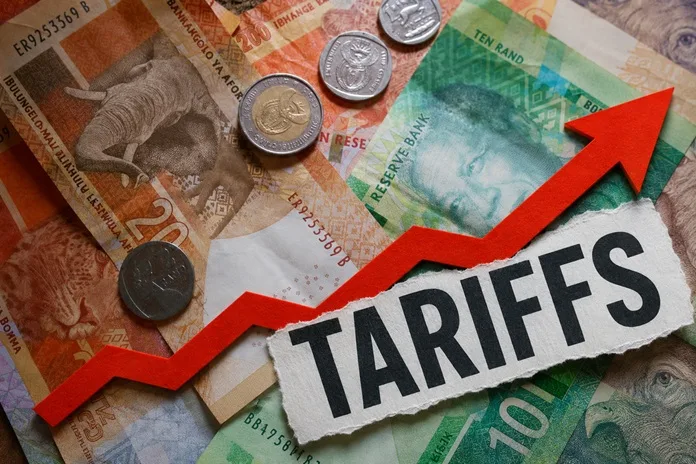
The City of Johannesburg has approved its municipal tariffs for the 2026/27 financial year, adjustments that officials say are necessary to sustain essential services but which business leaders warn could intensify financial pressure on households and enterprises across the metro.
Lufuno Mashau, Group Head for Revenue Shared Services at the City of Johannesburg, explained that the annual tariff review aligns with bulk service increases from Eskom and Rand Water. “To a large extent, the electricity and water tariffs are a pass-through,” Mashau stated, noting that the City relays increases received from these national entities. Property rates, however, were set at a 3.6% increase for the current financial year—a figure Mashau described as “significantly lower than what we’ve seen from an inflation point of view.”
Mashau emphasized that revenue collected through utility tariffs is reinvested into maintaining water and electricity infrastructure. With step tariffs in place—where higher consumption leads to higher per-unit costs—residents were urged to monitor usage, particularly as winter approaches and demand for electricity rises for heating. “If you manage your usage and monitor it, and make sure that everyone in the household is aware [of] the impact of a higher usage,” Mashau advised, “that can help mitigate the monthly bill.”
The approved adjustments include movements between 3.6% and 6% on property rates and approximately 12% on electricity tariffs.
Business representatives, however, expressed concern over the cumulative effect of these increases. Bernadette Zeiler, CEO of the Johannesburg Chamber of Commerce and Industry (JCCI), a 137-year-old organization representing enterprises from small businesses to large corporations, warned that tariff hikes well above inflation could have adverse ripple effects.
“These increases are squeezing businesses’ profit margins and forcing businesses to pass higher costs to consumers,” Zeiler said. She highlighted that fixed expenses such as water, electricity, and refuse removal are eroding profitability, particularly in manufacturing, food services, and other service sectors. “At the end of the day, the products on your shelves are going to be increased in price,” Zeiler noted, adding that the impact would extend beyond businesses to all residents facing higher costs of living.
While the City maintains that the tariffs are balanced to fund critical infrastructure without overburdening ratepayers, the coming months will test how households and businesses adapt to the new structure. Both officials underscored the importance of mindful consumption and collaborative engagement as the metro navigates these fiscal adjustments.