




Traveling to a new country is exciting, especially when it involves island views, warm ocean breezes, and the freedom of exploring on your own terms.
As someone from Yorkshire, this was my first trip to Fiji, and I knew that to truly enjoy the beauty of Viti Levu (the main island), I’d need a car. Public transport exists, but if you want flexibility, convenience, and the chance to explore beyond the resorts, renting a car is the way to go.
In this article, I’ll walk you through my experience renting a car at Nadi International Airport, how I booked it just four days before flying out, and what I wish I had known beforehand.
Why I Decided to Rent a Car in Fiji
Before booking my flight, I did some research about getting around in Fiji.
Most tourists land at Nadi International Airport, located on the west coast of Viti Levu. From there, many head straight to Denarau Island or resorts in the Coral Coast, Momi Bay, or even further inland to places like Sigatoka or Suva.
I wanted to do more than just relax by the beach. I had a short time — only five days — and I wanted to see as much as possible. That meant driving myself.
Yes, there are taxis and shared shuttles, but they’re often expensive for multiple trips, and their schedules don’t always match yours. So I decided to rent a car.
How Far in Advance Should You Book?
This was my first time renting a car abroad, so I wasn’t sure how early I should book.
Some guides say to book months ahead, especially during peak season. Others suggest waiting for last-minute deals.
Since I was flying out in just four days, I didn’t have much time to wait.
I started searching online for “car rental at Nadi Airport” and found several options. I compared prices, reviews, and included extras like insurance and unlimited kilometers.
Eventually, I went with Final Rentals — not because it was the cheapest, but because it offered clear pricing, good customer ratings, and no hidden fees.
So, I booked my rental car online, paid a small deposit, and confirmed everything via email.
What to Expect When Renting a Car at Nadi International Airport
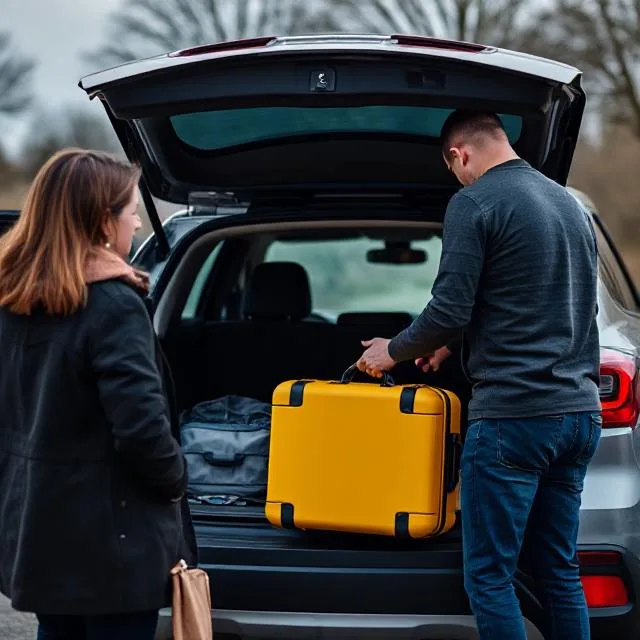
Now, let me take you step-by-step through my experience.
Step 1: Arriving at the Airport
After clearing immigration and collecting my luggage, I followed the signs to the car rental area, which is just outside the terminal building.
There were several booths lined up, each representing different rental companies. Final Rentals had a desk near the exit, so I headed straight there.
They asked for:
- My booking confirmation number
- My passport
- My UK driver’s license
I also had a printed copy of my credit card used for the deposit, though they only needed the last four digits.
Step 2: Inspecting the Car
Once they verified everything, they gave me a quick run-through of the vehicle — a compact hatchback perfect for two people and our luggage.
They walked me around the car and pointed out any existing scratches or dents. I took photos too, just in case.
Pro tip: Always inspect the car thoroughly before driving off. This helps avoid disputes when returning the car.
Step 3: Getting On the Road
The staff handed me the keys, a map (though I used Google Maps), and a small bag containing:
- Toll sticker (for local roads)
- Emergency contact number
- Instructions on where to return the car
How Much Does It Cost to Rent a Car in Fiji?
Well, prices generally range from $38 to USD 130 per day, depending on the type of vehicle you choose and when you’re traveling. Let me break it down using my recent trip as an example.
I opted for a compact hatchback, which was just right for two people and their luggage. It was comfortable, air-conditioned, and perfect for driving around Viti Levu. I paid around USD 220 for five days, which averages out to $44 per day, right in line with what most economy cars are going for these days in Fiji
This rate included:
- Unlimited kilometers (which was great because I did quite a bit of driving)
- Basic Collision Damage Waiver (CDW) insurance
- A partially filled fuel tank
If you’re looking for something smaller or more budget-friendly, you can find economy cars starting at $38 per day, such as the Toyota Vitz Jawela or similar models. These are extremely popular among solo travelers or couples who just want to get around easily without spending too much.
On the other hand, if you’re planning to explore inland roads or go off the beaten path, especially on unpaved routes, consider a SUV or 4×4. These start around $90 per day and can increase to $130 per day, depending on the model and rental company. They offer more clearance and stability on rougher terrain, so if that’s part of your plan, it’s worth the extra cost.
Timing also plays a big role in pricing. I traveled in May, which is considered shoulder season, so prices weren’t at their peak. However, I’ve read that March tends to be the cheapest month to rent a car in Fiji, with average daily rates dropping to about $48–USD 49/day. In contrast, during busy times like school holidays, Christmas, and New Year, prices can jump up to $80–USD 100/day even for compact cars.
In short, if you’re looking for a balance between cost and comfort, expect to pay around $40–USD 70 per day for a compact or midsize car, especially if you book ahead and avoid peak travel periods.
And remember, always double-check what’s included in the price — like insurance, fuel policy, and any airport surcharges — so there are no surprises later.
My 5-Day Driving Adventure in Fiji
Here’s a quick breakdown of where I went and why having a rental car made all the difference.
Day 1: Nadi → Lautoka – Fresh Start & Local Buzz
After picking up our compact car at Nadi International Airport (NAN), with tank full and GPS set, we headed west to Lautoka—just a 35‑minute drive (about 22 km) down Queens Road. Lautoka, Fiji’s second-largest city (population ~58,000), is known as the “Sugar City” for its historic sugar mill.
Stop recommendation: Lautoka Municipal Market. Here, I bought vibrant pineapple chunks and sticky-sweet bananas for FJD $2–3—perfect road snacks and great value compared to tourist fare. A local told me it’s where “fresh produce hits the road early”.
Refuel tip: We filled up at a Shell station just west of Nadi for FJD $2.60 per liter. Topping off early helped us avoid higher inland prices.
Why carthe mattered: The public buses run infrequently to Lautoka—every 2 hours—and taxis charge FJD 40–50 one-way. Our car saved both time and money.
Day 2: Coral Coast Road – Sabeto, Orchids & Sun-Kissed Sand
We drove southeast along the stunning Coral Coast (Queen’s Road), enjoying ocean views and roadside stalls, where a coconut cost FJD 3. Our highlights:
- Garden of the Sleeping Giant: A delightful stop just after Sabeto. The orchid garden spans acres and is rooted in Raymond Burr’s orchid collection. Admission (FJD $27) grants access to lily ponds, footbridges, and tropical flora that reflect like living paintings—truly serene.
- Sabeto Mud Pools & Hot Springs: Located in a volcanic valley 30 minutes inland. For FJD $30, we slathered volcanic mud all over, let it dry, and then soaked in three hot spring pools—hot, soothing, and naturally therapeutic. There are changing rooms and a small refreshments stand on-site.
Lunch stop: Denarau Ferry Terminal has small cafés offering Kokoda (Fijian ceviche with coconut), flatbread, and iced coffee for around FJD $15.
Final beach: Natadola Beach. Smooth white sand, shallow shoreline with kayaks to rent at FJD 15/hour. We stayed until twilight for sunset photos—the beach was blissfully quiet.
Why the car mattered: These three locations are spread over 40+ km, and no bus connects them. A self-driving car saved me from paying FJD 50+ per person for a guided tour.
Day 3: Sigatoka Sand Dunes – Archaeology & Local Culture
We headed inland ~45 km to Sigatoka. Entrance to the national park is FJD $5. The park covers 650 hectares and was Fiji’s first national park in 1989, home to parabolic dunes up to 20 m tall and 2,600‑year‑old pottery shards that hint at early Lapita settlers.
Activities:
- A 2‑km hike along ridges for coastal panoramas and dusty, wind‑swept landscapes.
- The local visitor center has friendly rangers and educational displays—great for outdoorsy souls.
Market visit: The Sigatoka Market is a 5‑minute drive north. Stallholders sold tropical fruits (such as pineapples and starfruit), spices, hand-woven mats, and pottery. I grabbed a carved coconut bowl for FJD 12.
Fuel top-up: Filled at a local BP station for FJD 2.70/liter—slightly more than coastal rates but still good value. The car’s 40 L tank usually lasted 3 days.
Dinner: At Vilisite’s Seafood Restaurant overlooking the Coral Coast—it’s freshly caught mahi‑mahi or snapper grilled with coconut sauce (FFJD 25including rice and salad).
Day 4: Village Visits → Return to Nadi
We followed side roads to small inland villages east of Nadi. In one welcoming iTaukei community near Sabeto, we participated in a sevusevu ceremony—an exchange of kava root and blessings invoking respect from local elders.
Cultural insights:
- We watched a local pottery demo—traditional Lapita methods passed through generations.
- A home-stay family shared cassava cake and coconut rum on banana leaves.
Lunch at roadside stall: Fresh kokoda, taro chips, and bananas for about FJD 10.
Gift shopping: Local stalls featured ‘Fiji Made’ masi cloths and carved driftwood pieces (FJD 15–25).
Refuel: We topped off once more in Nadi before the last leg, topping up at FFJD 2.55 liters.
Dinner: Authentic Indian food near Nadi airport—thick dhal, spicy chicken curry, and rice for FJFJD 20. Day 5: Car Return & Smooth Departure
We returned the car to the Nadi airport branch ~3 hours before our international flight. The final inspection took 5 minutes—no extra fees, no sanitation issues; the rep just smiled and handed over the receipt.
Why a smooth return matters: It lets us breeze through customs, skip shuttle queues, and head straight to check-in, often a stressful part of travel that becomes stress-free thanks to upfront booking and clear fuel policies.
Lessons Learned from Renting a Car in Fiji
Would I rent a car again in Fiji? Absolutely — but here are a few things I learned along the way.
Book Online Ahead of Time
Although I booked just four days in advance, I was lucky. During busy times (like Christmas or school holidays), cars can sell out fast. If you’re visiting during peak season, book at least 7–10 days in advance.
Know the Rules of the Road
Driving in Fiji is on the left side, just like in the UK. Speed limits are expressed in kilometers per hour, and road signs are similar to those in Australia and New Zealand.
Also, keep an eye out for:
- Cows on the road (yes, really!)
- People are walking alongside the road.
- Narrow bridges and sharp turns
Check Your Insurance Coverage
When I booked, I opted for full coverage insurance, which protected me against minor damage. I also made sure my credit card didn’t offer duplicate coverage, so I wasn’t paying twice.
If you’re unsure, contact your credit card company to find out what’s covered.
Fuel Up Before Returning the Car
You usually get the car with a certain level of fuel (mine was half full). I filled it back up before returning it — otherwise, they charge a refueling fee, which can be more expensive than filling up yourself.
Be Ready for Rural Roads
Some roads, especially heading inland, aren’t paved. If you plan to go off the main routes, consider renting a 4×4 or SUV.
Tips for Self‑Drive Fiji
Driving Basics: Left Side, Speed Limits & Rules
First things first — Fiji drives on the left, just like in Australia or New Zealand. If you’re from the UK or Japan, you’ll feel right at home! But if not, give yourself a few minutes to adjust, especially when turning or merging.
Here are the standard speed limits:
- 50 km/h in towns and villages — this includes Nadi, Lautoka, and Sigatoka
- 80 km/h on rural highways — these are usually two-lane roads with decent surfaces, though some sections can be narrow or winding
The police enforce speed limits, so it’s best to stick to them. Also, mobile phone use while driving is banned unless using hands-free — good to know before you hit the road
Fuel Stations: Where to Fill Up and How to Pay
Fueling up was easier than I thought. Major brands like ShellMobil, P, and Esso are common across Viti Levu, especially along the main coastal roads and near tourist areas.
A few tips:
- Most stations accept both cash and card, but in more rural areas, it’s safer to carry some money — mobile data and card readers can be unreliable
- Fill up before heading inland or visiting remote areas — fuel stations get fewer and farther between
- Prices are generally around $2.50–$2.70 per liter (about $1.10), depending on where you go
I always made sure to fill the tank before returning the car — rental companies often charge a refueling fee if you return it with less than when you picked it up.
What Type of Car to Rent?
This depends on where you plan to go.
For most coastal and highway driving, an economy or compact car is perfectly fine. That’s what I chose — a small hatchback — and it worked great for two people and luggage.
But if you’re planning to explore:
- The Sabeto area
- Inland villages
- Any unpaved roads
Then I’d recommend upgrading to an SUV or 4×4. These roads can be rough, with gravel and potholes, and having higher ground clearance makes a big difference.
Insurance: Don’t Skip It — Here’s Why
One thing I didn’t skip was insurance, and I’m glad I didn’t. While basic CDW (Collision Damage Waiver) comes included in most rentals, it still leaves you liable for a deductible (excess) of $500–$1,000 in case of damage.
To avoid that risk, I opted for “full coverage” insurance, which added about $15 per day to my rental cost but gave me peace of mind. It covered scratches, stone chips, windscreen damage — all the little things that can happen when driving on unfamiliar roads.
Also, check if your credit card offers rental car insurance — many do, and it could save you money.
Navigation: GPS Is Your Best Friend
Even though I obtained a printed map from the rental company, I mainly relied on Google Maps and Waze — both of which work well offline if you download maps ahead of time.
A few notes:
- Mobile data can be spotty outside major towns, so download offline maps before leaving Nadi
- Rural roads may not always show up clearly — ask locals for directions if unsure
- Road signs are evident in main areas, but can be sparse in villages
I also used Google Lens to translate any unfamiliar signs — super helpful and easy to use.
Best Time to Visit: When the Roads Are Clear and the Sun Is Out
The best time to drive in Fiji is during the dry season, which runs from May to October.
During this time:
- Roads are dry and in better condition
- Visibility is great for scenic routes
- The rainy season floods sometimes close rural roads
I traveled in May, and the weather was perfect — sunny days, warm breezes, and calm seas. Plus, the roads were clear and easy to navigate.
Avoid driving during the wet season (November–April) if possible — heavy rains can cause flooding and make gravel roads extremely slippery.
Money Matters: Cash, Cards, and Local Currency
Fiji uses the Fijian Dollar (FJD), and currently, 1 FJD = approx. $0.42.
Here’s what I found:
- Most businesses accept Visa and Mastercard, including gas stations and mid-range restaurants
- However, small roadside vendors, village markets, and local transport often only take cash
- ATMs are available in major towns, but again, in rural areas, cash is king
So, I always kept some FJD cash on hand — just in case.
Frequently Asked Questions
Can I rent a car at Nadi Airport if I’m under 25 years old?
Car rentals in Fiji apply a young driver surcharge for drivers under 25. This can range from $10–$25/day, depending on the provider. Always confirm this before booking to avoid unexpected charges.
Are there any toll roads in Fiji I should be aware of?
Currently, Fiji does not have toll roads, so you won’t need to pay any highway fees during your trip. However, some private resorts or attractions may charge entry fees — always ask locally before proceeding.
What happens if I return the rental car late?
Returning the car after the agreed time can result in late fees, which vary by company. Some may prorate by the hour, while others charge a full additional day. Always clarify the return policy before pickup.
Can I add an additional driver to my rental agreement in Fiji?
Yes, most companies allow adding a second driver for a small fee (usually $5–$10/day). Both drivers must present valid licenses and be present at pickup. This is especially useful for shared driving on long trips.
How strict are fuel policies when returning a rental car in Fiji?
Fuel policies are strictly enforced. If you return the car with less fuel than it had when you picked it up, the company will charge a refueling fee, often higher than filling it yourself. Always check the fuel level before leaving the counter.
Are there any hidden fees I should watch out for when renting a car in Fiji?
Yes, common hidden fees include:
- Airport surcharges (often 15–20%)
- Young driver fees
- Late return penalties
- Refueling charges
- Damage excess (if not covered by insurance)
Always read the terms and conditions carefully before confirming your booking.
Is roadside assistance included in car rentals in Fiji?
Most major providers offer free basic roadside assistance as part of their service. However, coverage varies — always ask what’s included, such as flat tire help, jump starts, or towing.
Can I use my mobile phone as a hotspot while driving in Fiji?
Mobile data works well along the main coastal routes and towns. However, the signal drops off quickly in rural areas. Consider getting a local SIM card or portable Wi-Fi device for more reliable navigation.
Do rental companies in Fiji offer child seats, and if so, what are their costs?
Yes, many companies offer child seat rentals for infants and toddlers. Prices range from $5 to $10 per day, and installation may be required. Always book in advance and confirm compatibility with your vehicle to ensure a smooth experience.
What should I do if the rental car breaks down in a remote area?
If your rental car breaks down:
- Call the emergency number provided by the rental company
- Stay with the vehicle for safety
- Use a charged power bank or solar charger to keep your phone on
Most companies have on-call support, especially near major routes, but response times may be slower in inland or rural locations.
Final Thoughts
Renting a car in Fiji was one of the best decisions I made for my trip.
It gave me the freedom to explore, the chance to meet locals, and the ability to see more in less time.
If you’re coming from the UK, Australia, Canada, or any other country where you drive on the left, you’ll adjust quickly. Just remember to stay calm, watch the road, and enjoy the scenery.
And if you’re looking for a reliable and affordable online car rental option, I recommend going with Final Rentals — they made the whole process easy, clear, and stress-free.