



A certain ease comes with a well-put-together home—it doesn’t feel overcrowded or lifeless, just thoughtfully balanced. Interestingly, it’s often the subtle elements that make the most significant impact. Among them, the ceiling and the colour palette stand quietly yet powerfully. A thoughtfully crafted ceiling, along with a well-executed wall finish, does more than enhance aesthetics; it helps shape a space’s identity.
Whether concealing wiring or adding a sense of dimension, false ceiling designs have evolved into intelligent, functional choices. Combine that with well-chosen paintwork, and your interiors begin to express character and calm without seeming overdone. Here’s a closer look at how these two aspects complement each other and the combinations that genuinely make a difference.
The Ceiling Isn’t Just Overhead
The ceiling is often overlooked during home planning. While walls get fresh colours and furniture gets updated, the fifth wall, the ceiling, usually remains untouched. Introducing a false ceiling can subtly shift that perspective, adding style and purpose to the space.
What is a False Ceiling, Exactly?
A false ceiling is a layer suspended below the original ceiling. It hides the mess: wires, ducting, patchy concrete. But beyond hiding things, it adds depth to the room. It helps with lighting, acoustics, and even cooling. And no, it’s not just for showrooms or hotels anymore. Even compact flats or mid-size homes now use these designs to create cosier, more thoughtful interiors.
Types of False Ceiling Designs That Work
Here’s the thing—not every design suits every home. The key is balance. Don’t go overboard with complex shapes if your room is small or filled with furniture. Here are a few practical, clean false ceiling designs that work well in most homes:
1. Simple Tray Ceilings
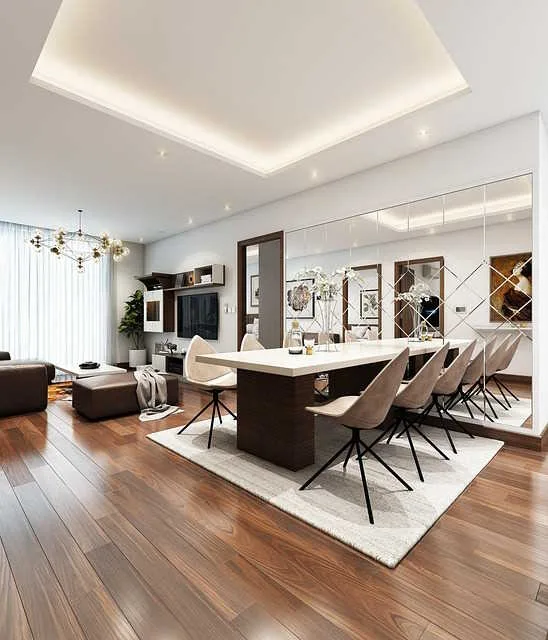
Neat and minimal, tray ceilings work well in bedrooms and living rooms. A shallow border creates a step-like shape that can be backlit with soft lighting. They are perfect if you want style without making the ceiling too heavy.
2. PVC or Wooden Panels

These are good for homes that want a little warmth. Wood finish panels (real or faux) look great in dining areas or living rooms. PVC options are low maintenance and affordable, great for kitchens or utility zones.
3. Geometric Patterns in POP

POP (Plaster of Paris) allows some freedom with curves and clean lines. You can create soft round designs or square insets to match your space. This works best when you want a designer touch but still want the room to feel open.
4. Floating Ceiling with Cove Lighting
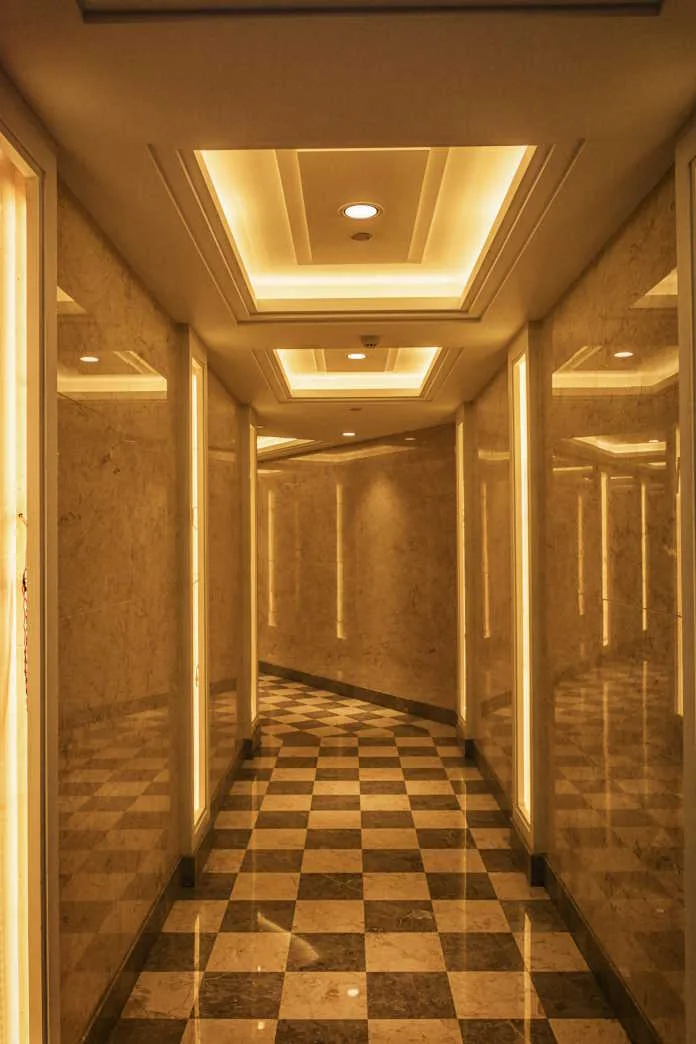
A floating design leaves a slight gap between the ceiling and the false layer. It’s often paired with hidden lights for a glow that bounces off the surface. Great for creating a peaceful mood, especially in bedrooms.
5. Mix of Levels

Some rooms need a bit of contrast. Adding two levels in the ceiling—for example, a high centre with a drop border magnifies the aesthetics. This is ideal for hallways or drawing rooms where you want to leave a mark.
Where Colour Meets Structure
Once the structure is in place, colour takes over. And not just on walls. The ceiling’s tone matters just as much.A matte white ceiling might work for smaller rooms, but don’t shy away from subtle tones like soft beige, sky grey, or dusty peach. These don’t feel overwhelming but still add a layer of warmth. A slightly darker ceiling creates a comforting effect if the walls are light. If the room gets too much sunlight, cooler tones help balance the warmth.
What Painting Services Bring to the Table?
A proper painting service does more than roll colour onto a wall. It preps the surface, fills the cracks, smoothens bumps, and ensures even layers. This significantly affects how long the paint lasts and how rich it looks. Here’s what to expect from professional home painting services when done right:
- Surface Check and Repairs: Before painting, the wall is inspected for damp spots, loose paint, and holes. These are treated with putty or sealants before anything else begins.
- Primer and Undercoat: DIY jobs often skip this step. But primer helps the top layer stick better and last longer, especially in high-traffic or moisture-prone areas.
- Smooth Finish: Professionals use rollers or spray machines to ensure the paint sits evenly without streaks or patchiness.
- Correct Colour Execution: Sometimes, the colour you choose ends up looking totally different on the wall. Professionals do a patch test, adjust the tone, and make sure the shade looks right in natural light.
Suggested Colour Palettes That Work Across Spaces
It’s easy to get carried away with trends. But if you’re looking for shades that last, both in style and feel, here are some that quietly shine:
- Mild Grey with White trims: Clean, timeless, and ideal for living spaces.
- Powder Blue with Soft Cream: Works well in bedrooms and study zones.
- Warm Terracotta with Off-white ceiling: Great for dining areas or front walls.
- Olive Green with Beige: Adds calm without making the room too dark.
- Blush Pink with Dusty Peach: Elegant and not too loud—perfect for reading corners or dressing rooms.
Remember, it’s not always about being bright or bold. Soft shades often make a home more peaceful and natural.
When Ceiling and Wall Colours Work Together
Imagine a room with a light blue ceiling, off-white walls, and warm wood furniture. Nothing screams for attention, but together, they form a calm and complete space.
That’s the goal. Get the ceiling to support the room’s mood, not fight it. If you’re using a false ceiling, soft, warm lighting (yellow-white) paired with pastels or neutral walls works well. If the walls are bold, let the ceiling stay muted. It’s all about balance.
In the End, It’s About What Feels Right
No rulebook will tell you what exactly to choose. Homes aren’t just built—they’re felt. If your ceiling feels too close, lift it with colour. If your walls feel flat, layer them with texture or light. Use design only where it adds value, not just for doing something new. False ceiling designs and good paintwork are quiet tools. When used well, they don’t feel like a heavy element, but the space feels better, lighter, and calmer. And sometimes, that’s all a home needs.