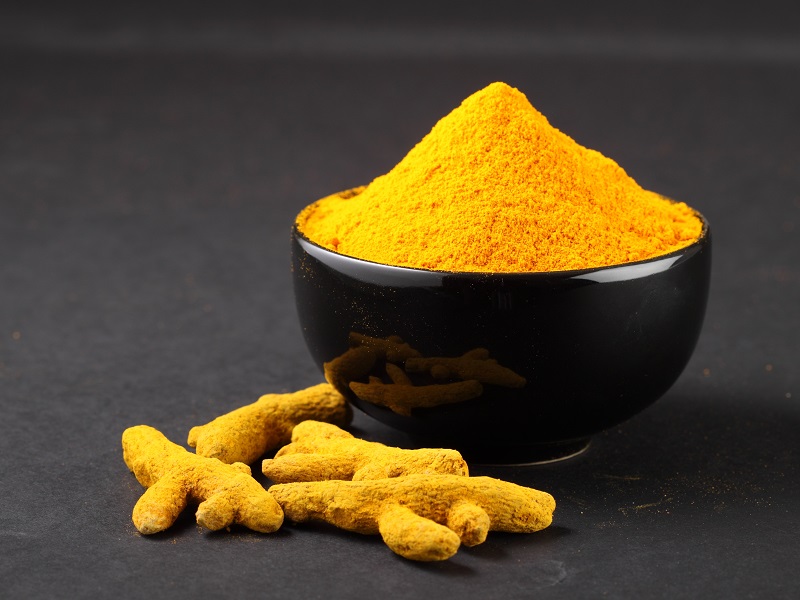
Turmeric, known scientifically as Curcuma longa, is a bright yellow spice commonly used in Asian and Middle Eastern cuisine. Beyond its culinary appeal, turmeric has been revered for centuries for its powerful medicinal properties. Its active compound, curcumin, is a potent antioxidant and anti-inflammatory agent that has garnered significant attention for its wide range of health benefits.
In this article, we’ll explore why everyone should incorporate turmeric into their daily routines, delving into its health benefits, uses, and practical tips for getting the most out of this golden spice.
Anti-Inflammatory Powerhouse
One of turmeric’s most well-known benefits is its powerful anti-inflammatory properties. Chronic inflammation is linked to various diseases, including arthritis, heart disease, diabetes, and even cancer. Curcumin in turmeric has been shown to inhibit several molecules known to cause inflammation, offering a natural alternative to over-the-counter anti-inflammatory drugs.
- Arthritis Relief: Studies have shown that turmeric can reduce joint pain and stiffness in people with arthritis. In some cases, it’s as effective as common anti-inflammatory medications without the side effects.
- Muscle Recovery: Athletes and fitness enthusiasts use turmeric to reduce muscle soreness and speed up recovery after workouts.
Tip: Incorporate turmeric powder into your diet by adding it to soups, stews, or smoothies to naturally reduce inflammation.
Boosts Immune System
Turmeric’s high concentration of antioxidants, vitamins, and minerals helps bolster the immune system. Curcumin enhances the body’s ability to fight off infections by boosting the production of immune cells and reducing oxidative stress.
- Antiviral & Antibacterial Properties: Turmeric can help ward off colds, flu, and other infections, making it an essential addition during flu season.
- Supports Gut Health: A healthy gut is crucial for a strong immune system, and turmeric’s anti-inflammatory properties support a balanced gut microbiome.
How to Use: Start your day with a turmeric latte (golden milk) to strengthen your immune defenses.
Promotes Heart Health
Heart disease remains one of the leading causes of death worldwide, but turmeric can help protect your cardiovascular system. Curcumin improves heart health by reducing inflammation, lowering cholesterol levels, and improving blood circulation.
- Reduces Cholesterol: Curcumin has been shown to lower LDL (bad) cholesterol and triglycerides while increasing HDL (good) cholesterol.
- Improves Blood Vessel Function: Turmeric improves the function of the endothelium, the lining of blood vessels, which is crucial for maintaining healthy blood pressure and preventing heart disease.
Tip: Sprinkle turmeric into your salad dressings or marinades to support a healthy heart.
Enhances Brain Function
Turmeric is often referred to as “brain food” due to its ability to enhance cognitive function and protect against neurological diseases. Curcumin can cross the blood-brain barrier, making it effective in reducing inflammation and oxidative stress in the brain.
- Reduces Risk of Alzheimer’s Disease: Studies suggest that curcumin can help clear amyloid plaques, which are a hallmark of Alzheimer’s disease.
- Boosts Memory & Mood: Turmeric has been linked to improved memory, concentration, and mood by increasing the production of brain-derived neurotrophic factor (BDNF), a protein that supports brain cell growth.
How to Use: Add turmeric to your daily meals or take a curcumin supplement to support long-term brain health
Supports Digestive Health
Turmeric is widely used in traditional medicine to treat various digestive issues. Its anti-inflammatory and antioxidant properties can soothe the digestive tract and improve overall gut health.
- Relieves Bloating & Gas: Turmeric helps reduce bloating and gas by promoting the production of bile, which aids in the digestion of fats.
- Eases Indigestion: Curcumin helps reduce symptoms of indigestion, such as heartburn and nausea, by calming the digestive system.
Tip: Drink warm water with a pinch of turmeric and ginger after meals to ease digestion.
Natural Pain Reliever
Turmeric is often used as a natural remedy for pain relief, particularly for arthritis, muscle aches, and headaches. Its ability to reduce inflammation makes it an effective pain management solution.
- Joint Pain Relief: Turmeric is a popular choice for people with osteoarthritis and rheumatoid arthritis, offering pain relief without the side effects of traditional painkillers.
- Menstrual Pain: Curcumin’s anti-inflammatory effects can help alleviate menstrual cramps and discomfort.
How to Use: Incorporate turmeric into your diet or apply a turmeric paste to sore muscles for topical relief.
May Help Prevent Cancer
Emerging research suggests that curcumin may have anticancer properties. It works by inhibiting the growth of cancer cells, reducing the spread of tumors, and even enhancing the effectiveness of chemotherapy treatments.
- Inhibits Tumor Growth: Curcumin has been shown to suppress the growth of various cancer cells, including breast, colon, prostate, and lung cancer.
- Detoxifies the Body: Turmeric helps the liver eliminate toxins, reducing the risk of cancer development.
Note: While turmeric shows promise in cancer prevention, it should not replace conventional treatment. Consult your healthcare provider before using turmeric as a supplement.
Promotes Skin Health
Turmeric has been a staple in skincare routines for centuries due to its ability to promote clear, glowing skin. Its anti-inflammatory, antimicrobial, and antioxidant properties help address various skin concerns.
- Reduces Acne & Scarring: Turmeric helps reduce redness and swelling caused by acne while fading scars over time.
- Brightens Skin Tone: Regular use of turmeric can even out skin tone and give a natural glow.
- Fights Aging: The antioxidants in turmeric combat free radicals, reducing wrinkles and fine lines.
DIY Tip: Create a homemade face mask by mixing haldi powder with honey and yogurt for a soothing, skin-brightening treatment.
Aids in Weight Management
Turmeric can be a helpful addition to weight loss regimens due to its ability to boost metabolism and reduce inflammation. It may also prevent the accumulation of fat and improve insulin sensitivity.
- Boosts Fat Metabolism: Turmeric increases thermogenesis, the process by which the body burns fat for energy.
- Reduces Fat Storage: Curcumin prevents the growth of fat tissue and helps maintain a healthy weight.
Tip: Add turmeric to your morning smoothies or teas to support your weight loss journey.
Easy to Incorporate into Your Diet
One of the best things about turmeric is how easy it is to include in your diet. It can be used in various forms: fresh root, dried powder, capsules, or as an extract.
Ways to Use Turmeric:
- Sprinkle it into soups, stews, and curries.
- Add it to smoothies or juices.
- Brew it into tea with ginger and lemon.
- Mix it into scrambled eggs or roasted vegetables.
Conclusion
Turmeric is more than just a spice—it’s a powerful natural remedy with various health benefits. From reducing inflammation and boosting immunity to supporting brain function and promoting heart health, turmeric is a must-have addition to your daily routine. Whether used in cooking or as a supplement, turmeric offers a simple and effective way to enhance your overall well-being.
Start incorporating turmeric into your diet today and experience the golden benefits of this ancient superfood!