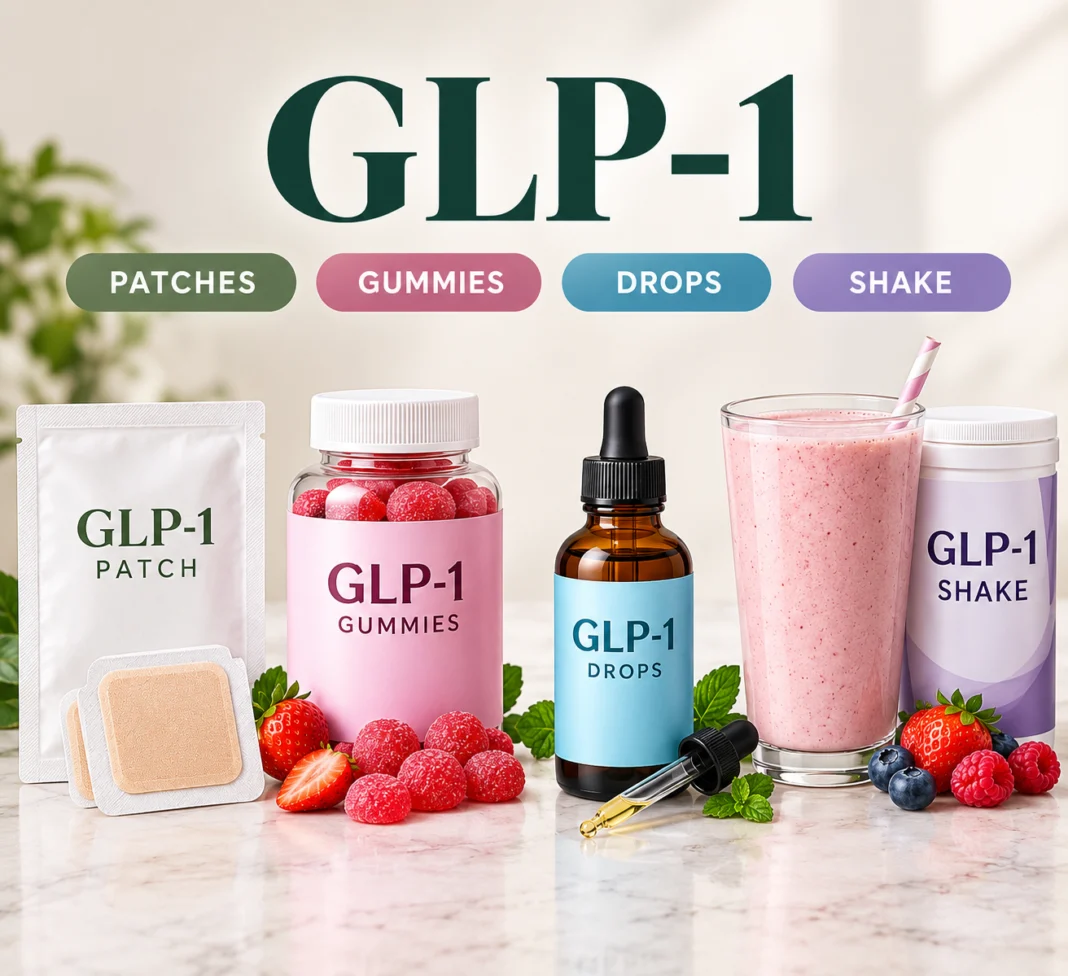
A growing market of ordinary consumer products is being promoted with claims that they contain GLP-1, can mimic prescription GLP-1 medicines, or can boost the body’s own GLP-1 production. Dr Gerhard Vosloo, Founder and Head Consulting Practitioner at Dr GL Vosloo Medical Practice, managed by BioWell, cautions that these comparisons can create unrealistic expectations about what such products are actually able to achieve.
“Some foods and ingredients may modestly influence natural GLP-1 release, but prescription GLP-1 medicines use active pharmaceutical ingredients designed to activate these receptors at therapeutic levels and sustain that action long enough to produce clinically-studied effects.
“The active ingredient must therefore be delivered in a pharmaceutical formulation that allows reliable absorption into the bloodstream. This typically means by injection or, in certain cases, through specially formulated oral tablets that shield it from breakdown during digestion so that it can reach the bloodstream.”
Dr Vosloo says some of these products may contain GLP-1 peptides but deliver little or no therapeutic effect because of how they are formulated. Others advertised as containing GLP-1 may instead contain ordinary dietary or herbal ingredients marketed as producing similar effects without credible evidence of comparable results with genuine GLP-1 receptor agonists.
As such, he identifies five product categories that warrant a healthy measure of scepticism:
- GLP-1 patches
Patches are typically promoted as a needle-free way to deliver GLP-1-like effects through the skin. “The problem is that peptide medicines don’t readily cross the skin barrier in an ordinary patch. Existing research on transdermal peptide delivery shows that peptides typically require specialised aids and stimulants to penetrate the skin, which doesn’t substantiate the claims made for ordinary over-the-counter patches.”
- Oral GLP-1 solutions and drops
Products in this category may suggest that GLP-1 can simply be swallowed or absorbed through the mouth in liquid form. However, peptide drugs are vulnerable to digestive breakdown and poor absorption. Some internationally-approved oral GLP-1 products require specially engineered formulations with absorption enhancers to protect the drug and help it enter the bloodstream. Ordinary drops or solutions cannot be assumed to achieve the same result.
- GLP-1 support supplements
Gummies, capsules, and fibre-based products are increasingly marketed as helping to support or stimulate the body’s natural GLP-1 response, often with promises around appetite control, cravings, or weight loss. They typically contain fibre, plant extracts, vitamins, minerals, or other common supplement ingredients.
Some ingredients, particularly certain fibres, may modestly influence natural GLP-1 release or satiety. But that is very different from the sustained receptor activation produced by prescription GLP-1 medicines and does not support claims of comparable therapeutic effects.
- GLP-1 stimulating powdered drinks and protein shakes
Some powdered drinks and protein shakes are marketed as boosting GLP-1 to reduce appetite or support weight loss. Dr Vosloo says there is some basis for the underlying claim, as protein, including whey protein, can stimulate the body’s natural release of GLP-1 after eating.
However, that response is part of normal digestion and is relatively short-lived. It does not mean a protein shake can reproduce the prolonged receptor activation or clinically studied effects of prescription GLP-1 medicines, so claims suggesting otherwise go well beyond what the evidence supports.
- Gut-health supplements to support natural GLP-1 response
Gut-health products such as probiotics and prebiotics are sometimes promoted as helping the body release more GLP-1 by changing the gut microbiome. There is a scientific basis for studying this relationship, as there are indications that gut bacteria and the compounds they produce can influence natural GLP-1 signalling. But again, it is not the same as a medicine specifically engineered to act on that system at therapeutic levels.
Dr Vosloo notes that, beyond products making unsupported claims of effects comparable with prescription GLP-1 medicines, the broader concern is that some take a genuine but modest biological effect and market it as far more powerful. Any increase in natural GLP-1 they stimulate is generally too variable and short-lived to support reliable claims of appetite suppression or weight-loss results comparable with prescription treatment.
“The safest test for any product making GLP-1 claims is to ask what active ingredient it contains, how it is meant to reach and act in the body, and what credible clinical evidence supports the promised effect. If those questions cannot be answered clearly, consumers should be cautious about treating the product as remotely equivalent to prescription GLP-1 treatment and rather consult their doctor about options better suited to their needs and goals.”