



In today’s fast-paced healthcare industry, medical facilities depend heavily on reliable, safe, and high-quality hospital beds. These beds are not just pieces of furniture—they are essential tools in patient recovery, safety, and comfort. As demand for modern healthcare solutions grows, top hospital bed companies are innovating and expanding their range of hospital bed types to meet the needs of hospitals, clinics, and nursing centers worldwide.
Whether you are equipping a large hospital or a small clinic, understanding the different types of beds available—and choosing the right supplier—is critical to providing the best care.
🚑 The Role of Hospital Bed Companies in Modern Healthcare
Reputable hospital bed companies do more than manufacture beds—they shape the patient experience. These companies design, produce, and distribute beds with advanced features, ergonomic designs, and safety mechanisms that support patients and caregivers alike.
Top companies typically offer:
- In-house R&D and engineering teams
- ISO and CE certified manufacturing facilities
- International shipping and installation support
- Customization services for bed size, materials, and functionality
A reliable hospital bed company helps ensure patient safety, supports medical staff with easy-to-use systems, and complies with international standards to suit various healthcare environments.
🛏️ Understanding Hospital Bed Types
Choosing the right bed starts with knowing the different hospital bed types available. Each is designed for specific patient needs and levels of care:
1. Manual Hospital Beds
Manual beds require physical effort to adjust positions, usually using hand cranks. They are ideal for basic care environments and have fewer maintenance requirements.
Best for: Budget-conscious facilities or patients who do not need frequent repositioning.
2. Semi-Electric Hospital Beds
These beds offer electric adjustment for head and foot positions but use a manual crank for height adjustment. They strike a balance between affordability and convenience.
Best for: Mid-level care where partial automation is helpful but full-electric beds may be too costly.
3. Fully Electric Hospital Beds
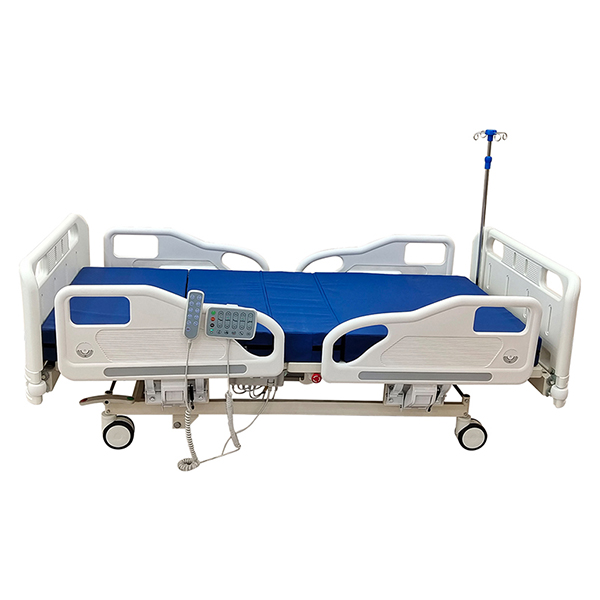
Fully electric beds provide motorized control over height, head, and foot adjustments. These beds offer maximum comfort and convenience for both patients and caregivers.
Best for: Hospitals, ICUs, and elder care facilities requiring frequent bed repositioning.
4. ICU Beds
ICU beds are designed for critical care. They come with advanced features such as:
- Integrated weighing systems
- CPR quick-release buttons
- X-ray cassette holders
- Side rail sensors and alarms
Best for: Intensive care units and post-operative care.
5. Bariatric Hospital Beds
These beds are specially built to support heavier patients. They are wider, stronger, and have reinforced frames.
Best for: Obese or overweight patients needing extra safety and comfort.
6. Pediatric and Neonatal Beds
Smaller beds designed for infants and children, often with adjustable height, side rails, and protective features.
Best for: Pediatric departments and maternity units.
7. Home Care Beds
Designed for patients who require medical care at home, these beds combine hospital-grade functionality with home comfort aesthetics.
Best for: Long-term home-based recovery or elder care.
🔍 How to Choose the Right Hospital Bed Company
When sourcing beds, medical facilities should partner with hospital bed companies that provide:
- Product variety: A full catalog of hospital bed types for all levels of care
- Certifications: CE, ISO13485, FDA, and other safety approvals
- Customization options: Branding, color, mattress types, and optional smart technology
- After-sales service: Spare parts, training, installation, and warranty
- Experience: Years in the industry and global reach
A well-established manufacturer will ensure long-term reliability, smooth delivery, and responsive support.
🏥 Why Bed Selection Matters in Patient Care
Hospital beds aren’t just for resting—they support critical tasks like:
- Patient repositioning to prevent bedsores
- Monitoring vitals with smart systems
- Post-surgical recovery and rehabilitation
- Emergency procedures using CPR-ready mechanisms
That’s why choosing from the right hospital bed types and working with the right hospital bed companies is essential for safe and effective care.
✅ Final Thoughts
Whether you’re managing a large hospital or a small healthcare center, selecting the right bed plays a vital role in the quality of care you provide. Understanding the various hospital bed types ensures you match each patient’s unique needs, while choosing the right hospital bed company guarantees you receive safe, durable, and globally certified equipment.
Partner with manufacturers who prioritize innovation, compliance, and long-term value—because in healthcare, every detail matters.