



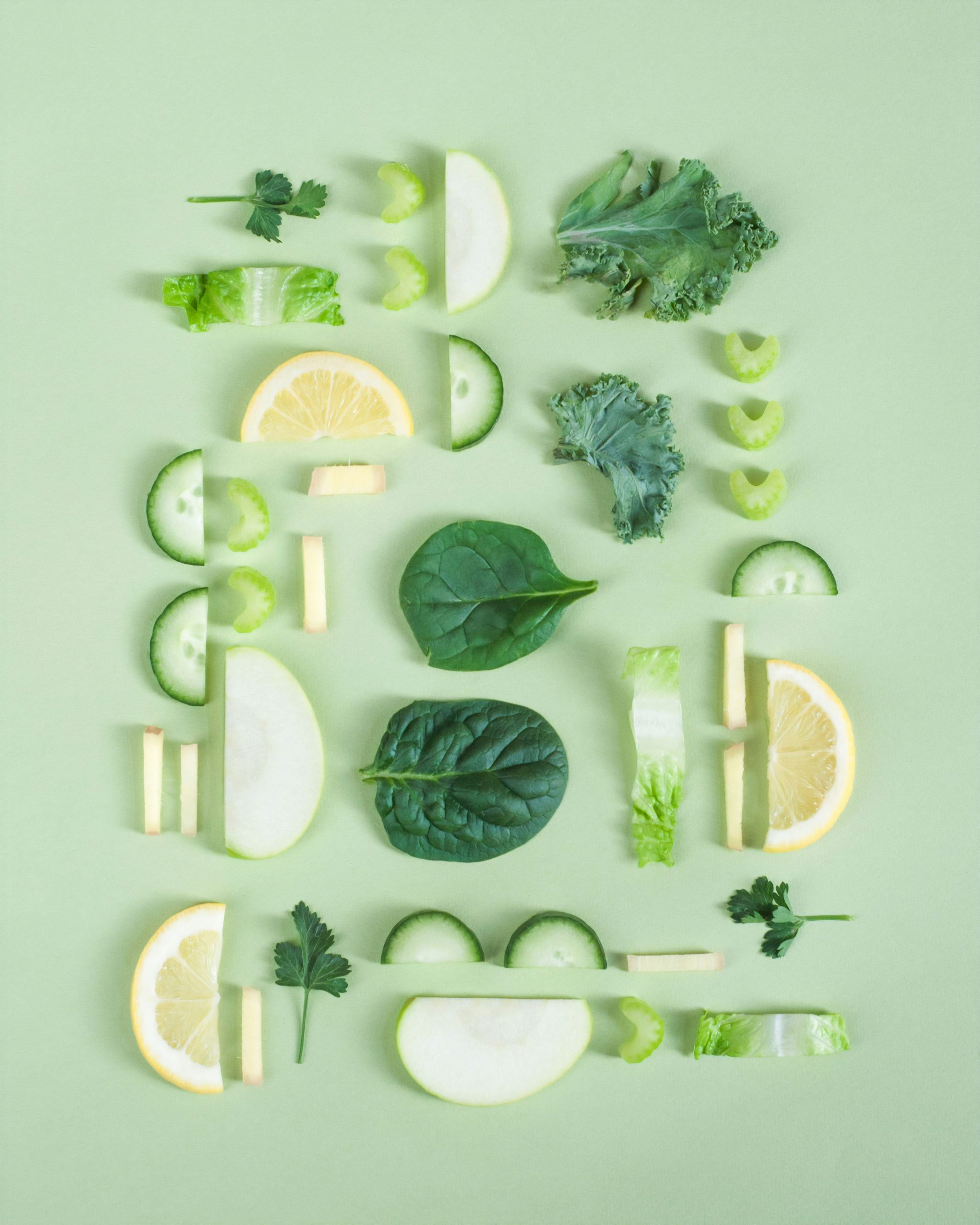
Long before our modern global supply chains and cold storage capabilities, humans naturally ate produce that was in season and locally available. Recently, there’s been a deliberate return to this way of eating. Besides creating less of a carbon footprint and supporting local farmers, eating seasonally also means you’re getting a wider range of nutrients – plus the food hasn’t lost nutritional value as it would if it’s stored for months or shipped from the other side of the world.
When it comes to fruit and vegetables, those that fall into the superfood category are even more packed with life-giving nutrients like vitamins, minerals and antioxidants. Because of this, superfoods help protect your body from free radicals and reduce inflammation, lowering the risk of chronic diseases such as heart disease, cancer and diabetes. There are also many knock-on effects of having good health too, such as allowing you to optimise your medical aid coverage. Fedhealth’s range of flexiFED medical aid plans, for example, let you pay only for the benefits you need – so the healthier you are, the less your medical aid will cost you.
As we make our way out of winter towards spring, what seasonal superfoods can you add to your shopping basket to keep you in optimal health for the rest of the year? Whether you’re trying to shake a few extra kilos, bulk up your muscles or be healthier, here are some in-season superfood ideas:
Fruit:
- Avocados – As well as being rich in healthy fats, fibre, vitamins E, C, B6 and potassium, avocados are also full of monounsaturated healthy fats, fibre and magnesium. They can also help lower cholesterol levels and the risk of heart disease.
- Guavas — High in vitamins C, A and dietary fibre, guavas contain antioxidants and potassium, which can help lower blood pressure and reduce the risk of cardiovascular disease. They’re high in fibre, and eating the peel can help with stomach acidity. Guava juice can also help with diarrhoea and other digestive issues.
- Grapefruit — As with oranges and other citrus fruits, grapefruits are high in vitamin C: one medium grapefruit gives you your full daily requirement for vitamin C. It’s also a powerful antioxidant and immune booster, helping fight off viruses and bacteria that can cause disease.
- Lemons—These versatile fruits are also packed with vitamin C. Their high antioxidant content means they can help reduce blood pressure and stiffness in arteries, improve blood flow and increase nitric oxide production, which is essential for blood vessel health.
- Tomatoes—These are rich in vitamins C and K, as well as potassium, folate, and lycopene, an antioxidant that helps lower bad cholesterol levels and blood pressure. Eating tomatoes with a good fat such as avocado can help your body increase the absorption of the antioxidants it contains.
Vegetables:
- Beetroot — Beetroots are rich in nitrates that prevent heart disease and strokes, folate that is essential for healthy cell growth (including red blood cells) and betalains that fight cell damage and inflammation — plus protect you against cancer and heart disease.
- Broccoli — Besides being high in vitamins C and K, broccoli is also a great source of calcium for maintaining strong bones and teeth. It’s low in calories but high in fibre, making you feel fuller for longer. In this way, it helps reduce overall calorie intake and support weight loss or weight maintenance.
- Cabbage is a cruciferous vegetable, which means it contains phytochemicals that boost heart health by regulating blood cholesterol, decreasing blood pressure and improving blood glucose control.
- Cauliflower — Contains omega-rich fats that can help lower cholesterol and reduce blood pressure. It can also help reduce inflammation, balance hormones, preserve eye health, and improve digestion and detox.
- Garlic—Garlic contains allicin, a powerful compound known for its antimicrobial, anti-inflammatory and antioxidant properties. It regulates the immune system, lowers blood pressure and has antiviral properties that can help boost the immune system and prevent sickness.
- Spinach — Rich in iron and antioxidants as well as vitamins A, C, and K, spinach supports eye, skin and bone health. It’s also high in fibre and promotes gut and overall digestive health too.
Eating superfoods that are in season can help give your health and well-being a serious advantage, from improved energy levels and better mental clarity to a healthy heart and strong immune system. Experiment with them to see which ones work best for you: pay attention to your energy levels, how quickly your body recovers from exercise, and your general mood. As we head into a change of season, it’s a wise idea to reap the benefits that superfoods offer while maximising the nutrients they provide when they’re fresh and locally grown.