


Academic achievement, technological advancement and future career preparation often dominate conversations about education. Yet one of the most powerful tools for shaping successful, confident and capable adults remains remarkably simple: play.
International Day of Play, celebrated on 11 June, highlights the critical role purposeful and profound impact play has on childhood development. Far more than entertainment, play helps young children build the skills, character and confidence they need to thrive throughout their lives.
According to Lynn van Jaarsveld, Principal of Trinityhouse Pre-Primary Little Falls, play forms the foundation of holistic development during the Early Years.
“Play supports cognitive, emotional, social, physical and creative growth while helping children develop the tools they need to understand the world around them,” she says.
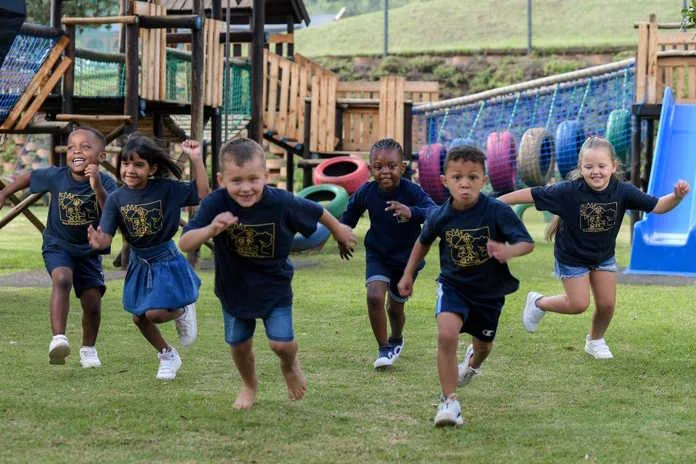
Long before students encounter formal assessments, they are already learning valuable lessons through play. Building with blocks develops problem-solving abilities. Storytelling strengthens communication and language skills. Running, climbing and dancing improve physical development. Group activities teach cooperation, empathy and teamwork.
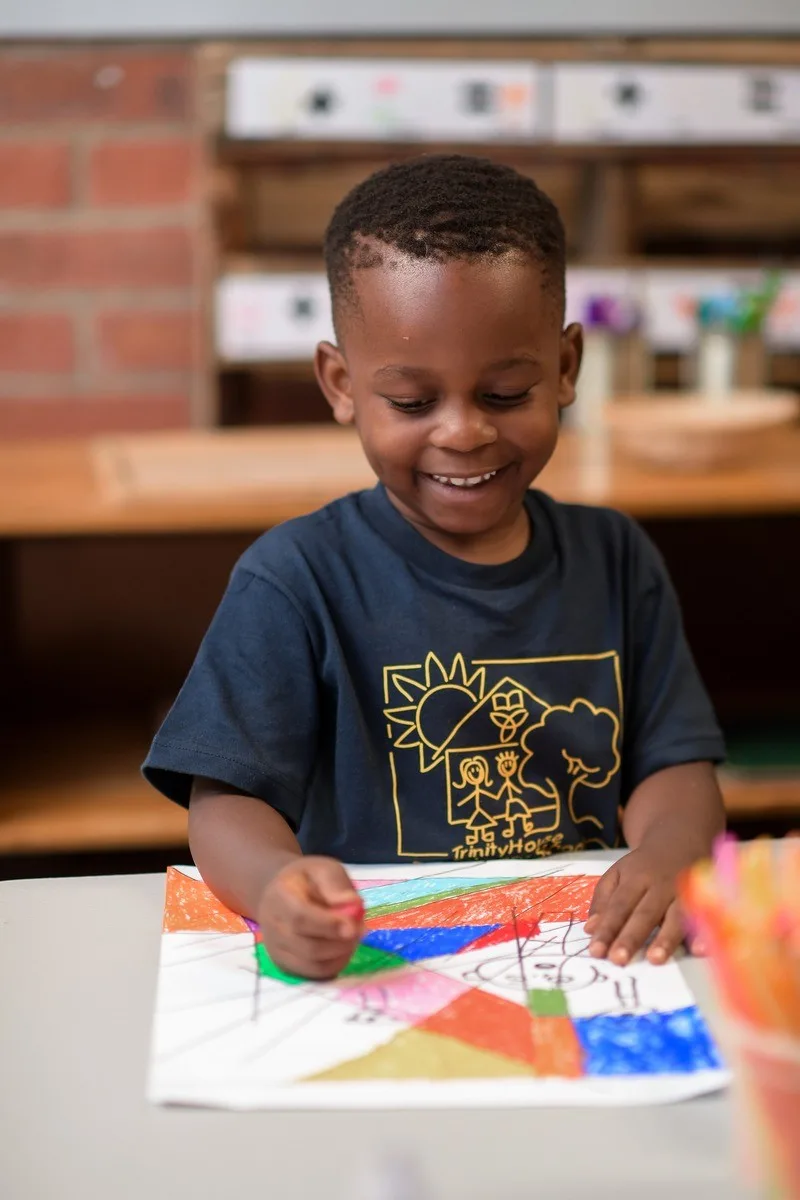
Curiosity also flourishes through play. Children naturally begin asking questions, exploring possibilities and discovering how things work. A cardboard box becomes a castle. A sandpit becomes a construction site. Imagination transforms ordinary moments into powerful learning opportunities.
Such experiences nurture creativity, innovation and critical thinking, qualities increasingly valued in today’s rapidly changing world.
Play also teaches children how to manage challenges and setbacks. A tower that collapses, a game that is lost or a problem that requires a different solution all provide valuable opportunities to develop resilience.
Experiencing disappointment in a safe and supportive environment helps children learn perseverance, patience and emotional regulation. Confidence grows when students realise they can overcome obstacles, learn from mistakes and try again.
Many careers of the future have not yet been invented, yet certain skills will always remain essential. Adaptability, collaboration, critical thinking, creativity, communication and problem-solving consistently rank among the most sought-after workplace competencies.
Play helps develop these skills naturally.
Group activities require negotiation and teamwork. Imaginative games encourage innovative thinking. Unexpected changes during play teach flexibility and adaptability. Every playful interaction contributes to the development of future-ready skills.
Social development is another important benefit. Through play, children learn how to form friendships, communicate effectively and navigate relationships. Shared experiences teach trust, kindness and mutual respect. Disagreements become opportunities to practise compromise, empathy and conflict resolution.
Technology continues to occupy a growing part of children’s lives, making active and imaginative play more important than ever.
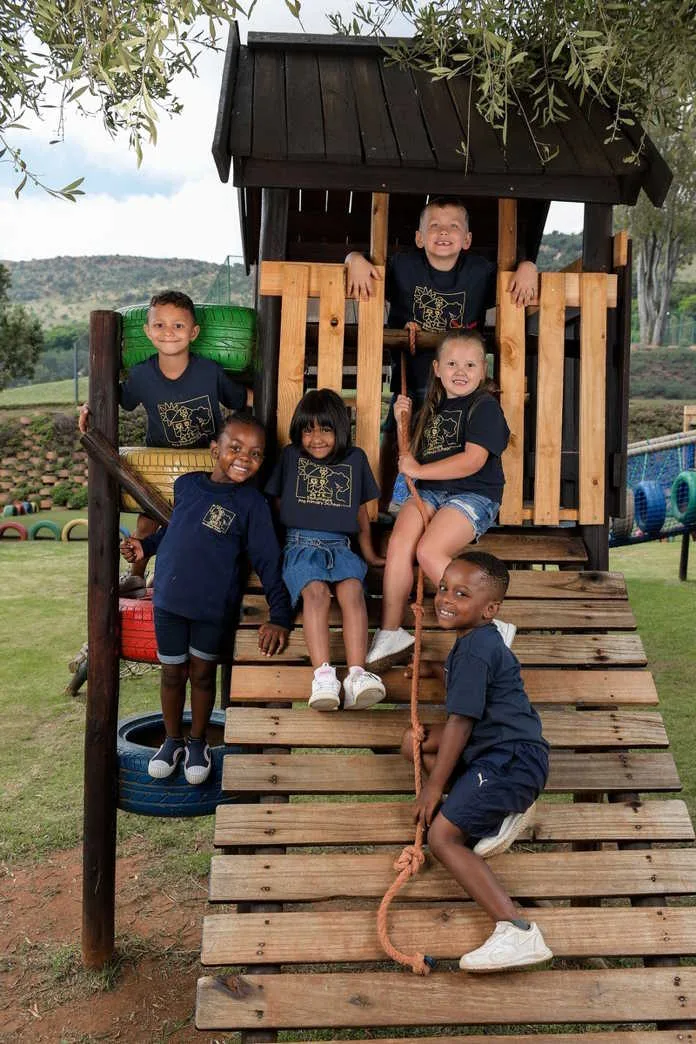
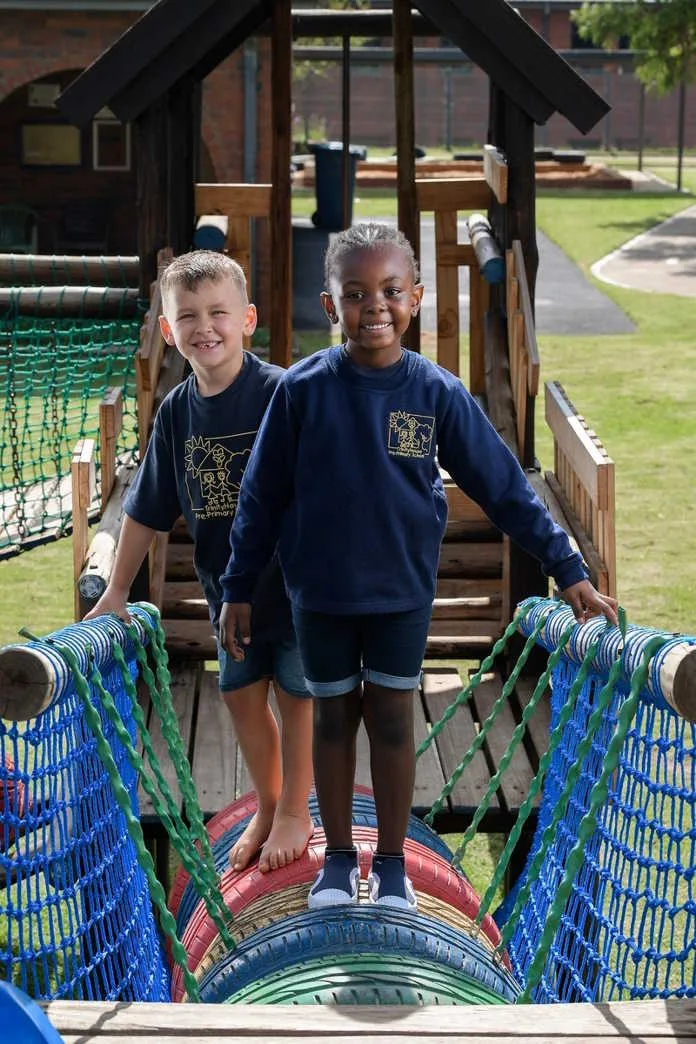
Outdoor play, in particular, offers unique benefits that cannot easily be replicated indoors. Natural environments encourage exploration, creativity and physical activity. Running, climbing and balancing strengthen muscles and coordination, while sensory experiences support healthy brain development.
Nature-based play also helps children develop an appreciation for the world around them and encourages curiosity beyond the classroom.
At Trinityhouse, play extends beyond academic and physical development. Christian values are woven into daily experiences, creating opportunities for students to practise kindness, honesty, compassion and servant-hearted leadership.
Play teaches children how to share, support one another and treat others with respect. Real-life interactions help build character while fostering a sense of belonging and community.
Parents occasionally worry that play takes time away from academic learning. Evidence consistently suggests the opposite. Children who engage in meaningful play often develop stronger communication skills, greater adaptability, improved problem-solving abilities and a lifelong love of learning.
Skills acquired through play become the building blocks for future academic success, healthy relationships, career achievement and personal wellbeing.
Play is not a break from learning.
Play is learning.
International Day of Play reminds us that some of life’s most important lessons do not happen behind a desk. They happen while building, imagining, exploring, creating and discovering.
Tiny hands may be playing today, but they are quietly developing the confidence, resilience and character needed to become tomorrow’s leaders.