
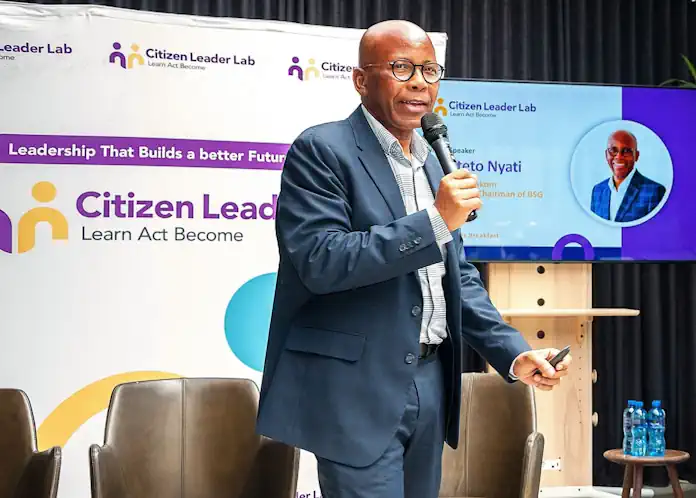
Citizen Leader Lab’s “Impact Over Eggs” breakfast highlighted why school leadership is the missing link in South Africa’s education reform efforts
South Africa’s education challenges are well known. What is less visible is the pivotal role school leaders play in addressing them.
On 2 October, Citizen Leader Lab hosted its inaugural Impact Over Eggs breakfast at Workshop17 in Rosebank, Johannesburg. Leaders from business and education came together to spotlight how investing in school leadership can change the trajectory of schools and communities in South Africa.
Drawing on insights from Citizen Leader Lab’s latest Annual Report, the event placed a focus on the human stories behind the statistics and asked: What would it mean for South Africa if every school leader had the leadership support they need to succeed?
The programme opened with a welcome from Dr Sharon Munyaka, Chairperson of the Board at Citizen Leader Lab, followed by a keynote address from Dr Mteto Nyati, Board Chairman of Eskom, who emphasised the importance of people-centred leadership.
“Turnarounds don’t happen by chance. They happen through disciplined, consistent leadership. When leadership is applied consistently, it creates undeniable impact,” said Nyati.
He continued: “The problem at Eskom was not a lack of technical expertise. The problem was leaders who were not leading, managers who were not managing. The template that Citizen Leader Lab is bringing to schools is similar,” he added, drawing parallels between corporate and school leadership.
Nyati did not shy away from tough truths: Leadership is often resisted by those who benefit from disorder, and success is frequently attributed to external factors rather than the leaders themselves.
“Real change exposes the status quo. Leadership that delivers results will always challenge those who benefit from disorder, whether in business, government or education,” said Nyati.
Underscoring the challenging environment school principals must navigate to lead change, he added: “Good leadership unsettles that status quo. It shows up those who profit from chaos. That’s why all leaders need courage and the backing of their stakeholders.’’
South Africa’s education system is all too often reduced to statistics about literacy rates, dropout numbers or infrastructure gaps. Yet every statistic reflects the decisions, pressures and actions of school leaders.
The event unpacked how leadership development is driving transformation in schools, not just through numbers but through partnerships and lived experiences. The discussions of the day illuminated how investing at school level has ripple effects across communities and the economy.
School leaders are responsible not only for learners and teachers, but for parents, local communities and the country’s social and economic future. Supporting them is not just an education issue, it is a national development priority.
“About 22,000 school leaders need to drive change in each of their schools for the education system to improve. Leadership development isn’t a silver bullet, but it’s systemic change we can’t ignore,’’ said Komala Pillay, CEO of Citizen Leader Lab.
Shane Perrier, Citizen Leader Lab’s Business Development Lead added: ‘’Being a school leader is tougher than being a CEO. It’s time for business and funders to step up and invest in school leadership at scale, so that the schools and the communities they serve can thrive. Schools are the lighthouses of our communities.”