



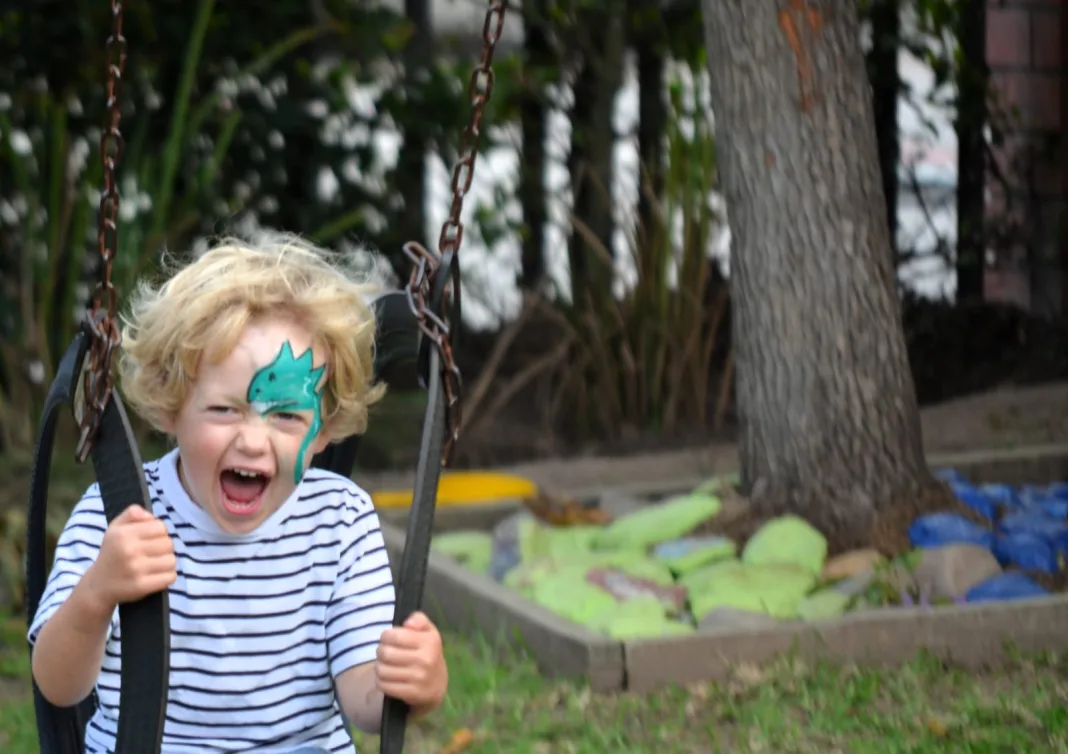
Loud laughter across a playground. Tiny hands digging for imaginary treasure. A cardboard box transformed into a rocket headed for the moon. Childhood is filled with magical moments that may look like simple fun, yet remarkable learning is happening every second.
“Play is childhood,” says Tersia Scholtz, Principal of Glenwood House Primary in George. “It’s how children make sense of their world, their relationships and themselves.” Through play, children develop confidence, curiosity, friendships, resilience and a stronger understanding of who they are.
Play is not a reward after learning. Play is learning.
Every muddy puddle becomes a science experiment. Every game of hide-and-seek teaches strategy and problem-solving. A pretend tea party or pirate adventure develops communication, creativity and collaboration without children even realising it.
Young students learn best when they are curious and actively engaged. A tower built from wooden blocks teaches balance, perseverance and engineering. A pretend restaurant becomes a classroom for maths, language and teamwork.
As Scholtz explains, “Play creates meaningful learning experiences because the child is invested in the process, not simply completing a task.”
Imagination transforms ordinary moments into extraordinary adventures. One-minute children are pirates crossing an ocean, and the next they are veterinarians caring for an injured puppy or astronauts discovering a distant planet.
“Imaginative play is where children practise being thinkers,” says Scholtz. “They negotiate roles, solve problems, create stories and communicate their ideas.” These experiences build flexible thinking and creativity, skills that will remain valuable throughout life.
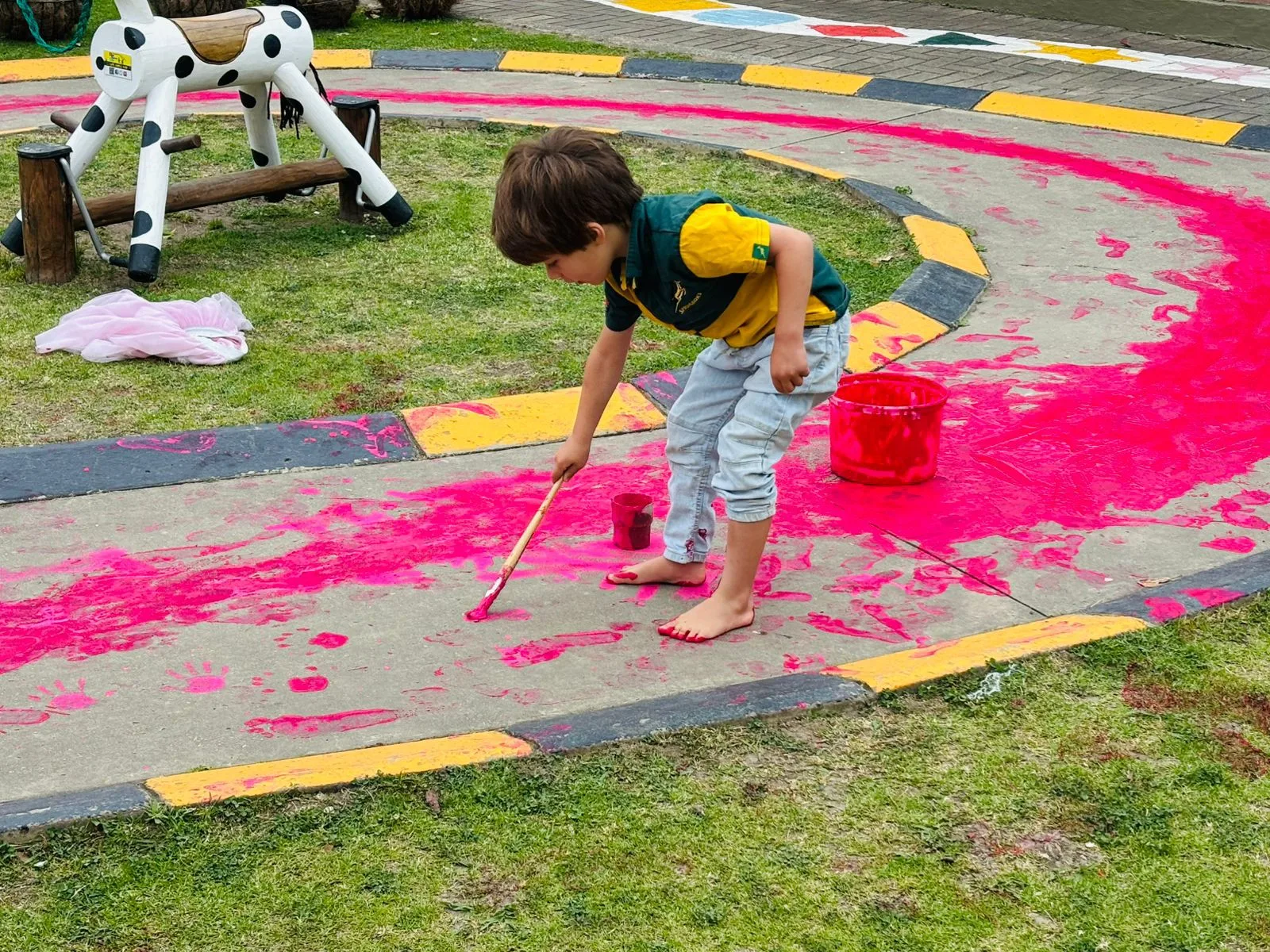
Confidence often begins when something goes wrong.
A collapsed sandcastle becomes an opportunity to build a stronger one. A puzzle that seems impossible teaches patience and persistence. Children learn to try, fail, adapt and try again, discovering that mistakes are simply part of the learning journey.
Some of life’s greatest lessons happen outside the classroom. Playground adventures teach sharing, empathy, cooperation and conflict resolution in ways that no textbook can. Teachers regularly witness students solving problems together and celebrating one another’s ideas.
Every type of play offers unique benefits. Outdoor play builds resilience and physical strength. Sensory play helps children explore and regulate emotions. Creative play encourages self-expression, while imaginative play stretches language and critical thinking. Physical activity supports healthy bodies and healthy brains.
Nature adds even more opportunities for discovery.
“There is something magical about children outdoors,” says Scholtz. “Nature invites exploration in a way that few indoor environments can.” Mud kitchens and sensory gardens encourage students to investigate, imagine and collaborate. She laughs that “muddy shoes are not always loved by our parents, but when they see the happy faces at the end of the day, it makes it all worthwhile.”
Technology also has a place when it enhances exploration rather than replacing it. Following severe storms in George, Glenwood House students used iPads to photograph damage around the campus before transforming their discoveries into artwork and animations. Their curiosity soon expanded into researching local wildlife, leading to investigations about stranded chameleons and experiments involving light and shadow.
Scholtz believes this represents technology at its best, “not replacing real-world experiences, but enriching them, extending children’s thinking and helping them make meaningful connections between their learning and the world around them.”
At Glenwood House Pre-Primary, play remains at the heart of every day. “We believe children learn best through exploration, discovery and meaningful relationships,” says Scholtz. Classrooms are intentionally designed to spark curiosity while teachers use children’s interests as the foundation for learning.
Parents do not need expensive toys to encourage meaningful play. “Keep it simple,” advises Scholtz. “Some of the best play comes from cardboard boxes, blankets, mud, sticks, dress-up clothes and time spent outdoors. Give children opportunities to be bored, because boredom often leads to creativity.”
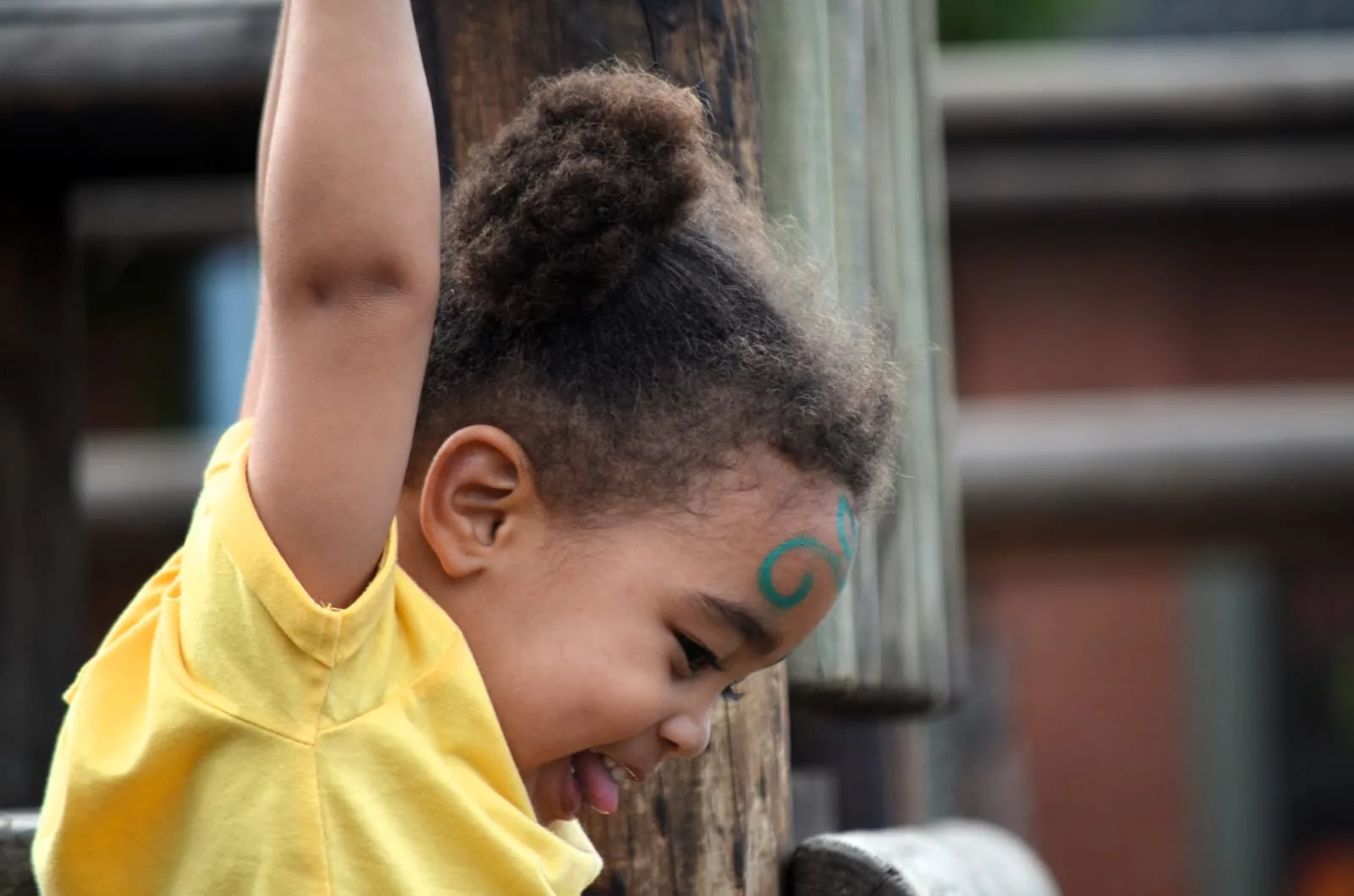
International Day of Play reminds families that childhood should never be rushed. “Give children time to play, to explore, to create and to simply be children. The learning will follow,” says Scholtz.
Today’s mud pie bakers become tomorrow’s problem-solvers. Today’s cardboard castle crafters become tomorrow’s innovators. Great futures often begin with muddy boots, pockets full of treasures and imaginations that know no limits.