



A Practical Guide for Parents and Educators
Many parents today are concerned about the amount of time their children spend on screens. Digital content, while often educational, can be overstimulating and isolating when overused. At the same time, families are seeking simple, low-cost ways to encourage creativity, learning, and connection especially at home.
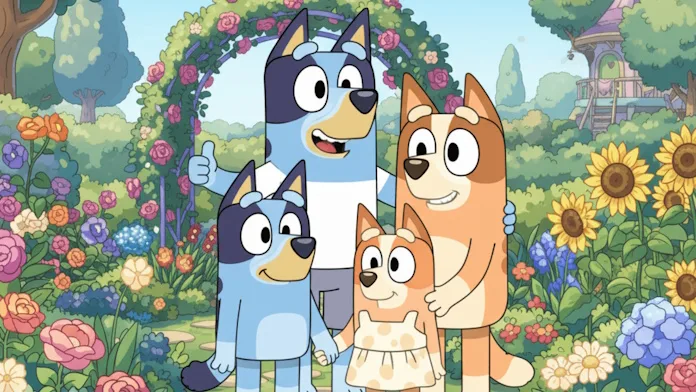
A surprisingly effective solution is often overlooked: coloring. Specifically, Bluey coloring pages offer a fun and engaging activity that supports a child’s development across multiple areas. With familiar characters and relatable stories, Bluey-themed coloring pages can help children build cognitive skills, fine motor abilities, emotional understanding, and even early literacy without the need for screens.
In this guide, we’ll explore how coloring Bluey pages promotes play-based learning and healthy development. We’ll also direct you to a free resource offering over 500 printable Bluey coloring pages in high-quality PDF format: blueycoloringpages.com.
What Is Play-Based Learning?
Play-based learning is an educational method that allows children to explore, create, and learn through hands-on experiences. It is widely used in early childhood education because it supports natural development. When children are playing, they are more likely to stay engaged, take creative risks, and retain what they learn.
Coloring fits into this framework well. It offers structure and focus while still allowing freedom and creativity. When children color familiar characters like Bluey, Bingo, and Bandit, they’re also drawing on stories they remember connecting emotions, actions, and ideas in meaningful ways.
Cognitive Benefits:
Coloring pages support several core areas of cognitive development. These include attention, memory, decision-making, and visual processing.
Attention and Focus
Completing a coloring page requires a child to concentrate for an extended period. This helps build longer attention spans and better task persistence two key areas linked to academic success later on.
Memory and Recall
Many Bluey coloring pages are based on specific episodes. When a child colors a scene from the show, they’re also recalling what happened, what the characters did, and how they felt. This kind of visual recall helps strengthen working memory.
Creative Problem-Solving
Coloring encourages children to make decisions: which colors to choose, how to approach the space, and whether or not to follow realistic patterns. These small decisions develop a child’s ability to think critically and creatively.
Tip for Parents and Educators:
After your child finishes coloring, ask them to tell the story of the scene they chose. This builds storytelling skills and reinforces comprehension.
Fine Motor Skill Development
Coloring may look simple, but it builds the foundation for important physical skills that children need every day.
- Grip strength and control: Holding crayons or pencils strengthens the small muscles in a child’s hands, preparing them for writing, buttoning clothing, and using utensils.
- Hand-eye coordination: Staying within lines or coloring small spaces helps children learn precision.
- Visual-motor integration: Interpreting shapes and applying color enhances the brain’s ability to coordinate what it sees with how the body moves.
These are skills often targeted in early childhood education, and regular coloring practice is a proven, low-cost way to develop them.
Emotional Development:
Coloring is also a tool for emotional learning and self-regulation. It gives children a calm space to express feelings, practice patience, and process ideas at their own pace.
Expression Through Art
Children often choose colors that reflect their mood or personal preferences. When coloring characters in different emotional states such as Bluey feeling frustrated, Bingo being silly, or Bandit showing kindness they naturally reflect on those emotions in themselves.
Stress Relief and Focus
Coloring provides a structured, quiet activity that can reduce anxiety or overstimulation. Many therapists and educators use coloring as a form of mindfulness for young children.
Tip:
Use coloring time as an opportunity to talk gently about emotions. You might ask, “What do you think Bluey is feeling here?” or “Have you ever felt like that?”
Social Skills and Family Engagement
Coloring can also support social development and connection, both at home and in the classroom.
- Sharing and cooperation: Children can work on coloring pages together, learning to take turns and share materials.
- Communication: Talking about what they’re coloring promotes vocabulary growth and expressive language.
- Parent-child bonding: Sitting down to color with your child creates a relaxed environment for conversation and connection.
Activity Idea:
Have your child choose a Bluey page to color together. While coloring, talk about the episode or invent a new story. This type of shared activity builds both social and emotional skills.
Supporting School Readiness and Academic Skills
In addition to emotional and motor development, coloring also helps children build skills directly connected to academic learning.
Early Literacy
When combined with simple reading or writing prompts, coloring can support letter recognition and vocabulary. For example, you might label a page “B is for Bluey” or ask your child to write one sentence about what’s happening in the scene.
Math Concepts
You can add basic counting or shape recognition to the activity. For example:
- “How many balloons are in the picture?”
- “Can you color all the circles red?”
Life Lessons and Character Education
Bluey episodes often highlight important life values such as patience, empathy, responsibility, and teamwork. Coloring pages that match these episodes can serve as conversation starters for real-life lessons.
Examples:
- The Bike episode: Resilience and not giving up
Library: Sharing and respect for books - Sleepytime: Independence and imagination
Practical Tips for Using Bluey Coloring Pages Effectively
To make coloring a more meaningful learning experience, consider the following strategies:
- Choose pages with purpose
Select scenes that align with your child’s interests or emotional needs. - Create a routine
Use coloring as part of a calming afternoon or bedtime routine. - Use open-ended prompts
Ask your child questions like, “What do you think happens next?” or “Why did you choose those colors?” - Encourage storytelling
Let children make up their own stories about the scene they’re coloring. - Celebrate effort, not perfection
Focus on creativity and process rather than staying inside the lines. - Display their work
Hang finished pages on a wall or create a simple “Bluey book” by stapling several pages together.
Fun Fact: if you’ve ever wondered how old Muffin is from Bluey, now you know she is around 3 years old. I suggest using this knowledge to better appreciate the show’s portrayal of young children and their experiences.
Conclusion
Bluey coloring sheets may seem like a small activity, but they offer significant developmental benefits. From cognitive growth and fine motor development to emotional learning and family bonding, these simple pages support learning through play in ways that are backed by research and trusted by educators.
For parents and caregivers looking for a low-cost, screen-free activity that also builds real skills, this is an easy place to start.
Visit Free Bluey Coloring Pages to browse and download over 500 free printable Bluey coloring pages. Choose a few pages, sit down with your child, and turn 20 minutes of coloring into meaningful learning and connection.
If you like it, please share it with friends, and leave a comment and let us know your views on these coloring pages.