



Why artificial intelligence supports better teaching while human connection remains at the heart of every student’s success
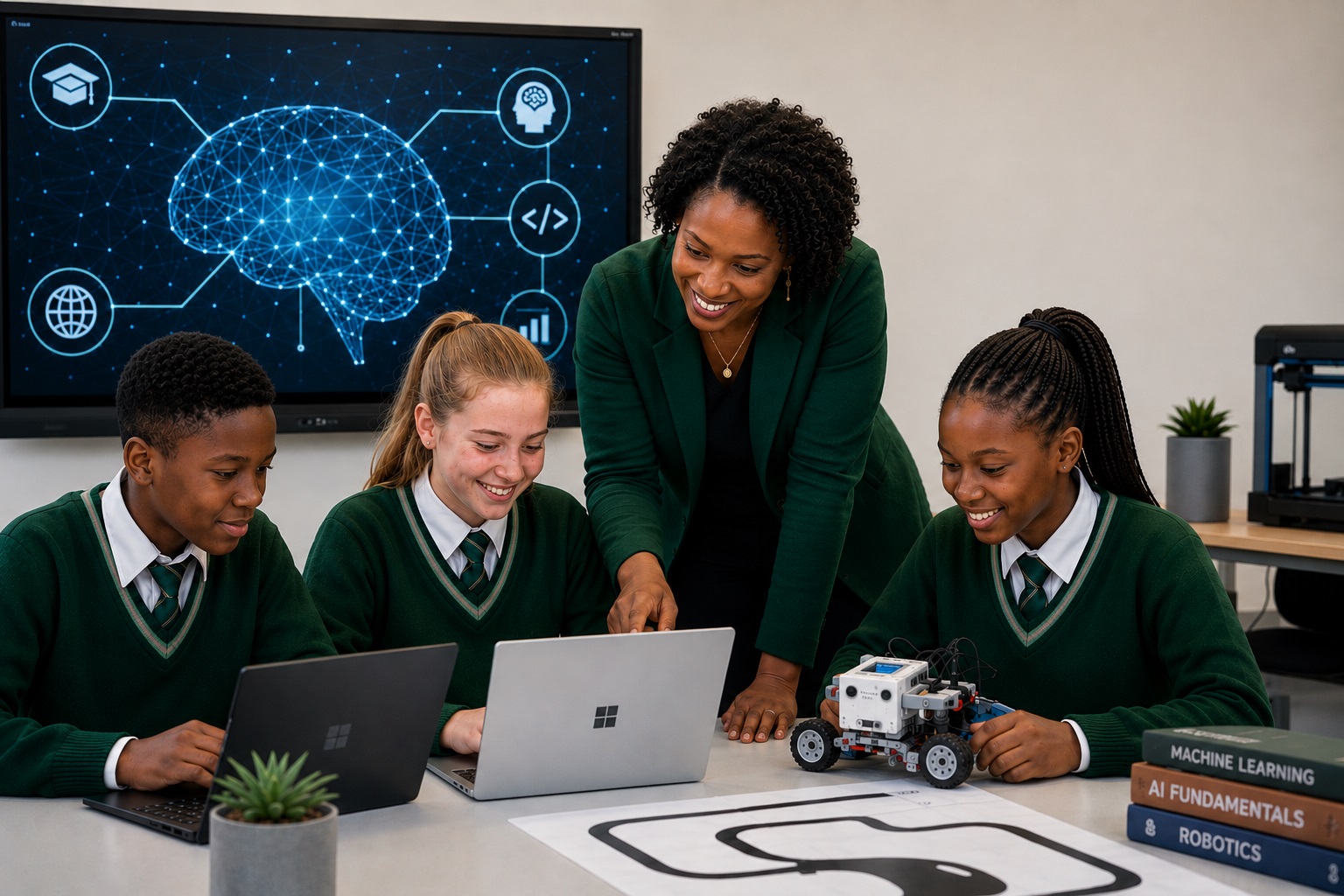
Artificial Intelligence (AI) is rapidly becoming part of everyday life, including the classroom. Many parents are curious about what AI-integrated learning actually means and how it affects their child’s education. Some wonder whether technology will eventually replace teachers, while others question how AI can be used safely and responsibly.
The good news is that AI is not replacing teachers. Its greatest value lies in helping teachers understand students better and provide more personalised support.
“AI is a tool that enhances and supports learning, much like a pencil supports writing or a book supports reading,” explains Celeste Seal of Pinnacle College Linden. “Great teaching, strong relationships and a deep understanding of each child remain at the centre of everything we do.”
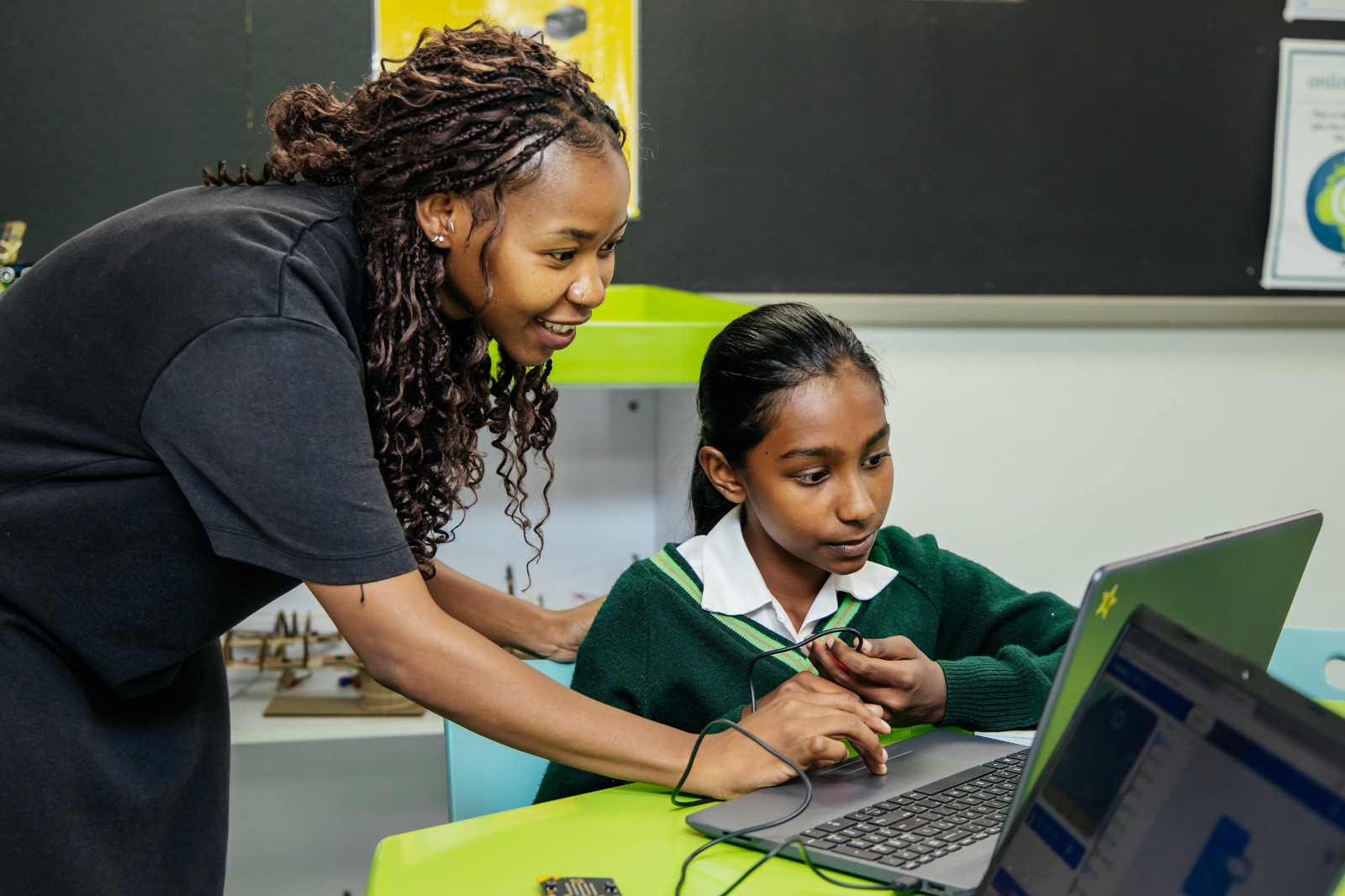
At Pinnacle Colleges, AI-powered tools such as Northwest Evaluation Association Measures of Academic Progress Assessment (NWEA MAP) and Guided Readers help teachers gather valuable insights into each student’s progress, strengths and areas requiring additional support. This information allows teachers to identify learning needs earlier, monitor growth more effectively and tailor lessons to meet individual needs. Teachers remain the decision-makers, using their expertise and professional judgement to turn data into meaningful learning experiences.
Parents often hear the term “personalised learning”, but what does this actually look like in practice?
Every student learns differently. Some excel in mathematics but need additional support in reading comprehension. Others may demonstrate strong vocabulary skills while finding it difficult to make inferences when reading. AI-powered assessment tools help teachers identify these specific strengths and challenges more quickly and accurately. Early intervention means students receive support before small gaps become larger obstacles.
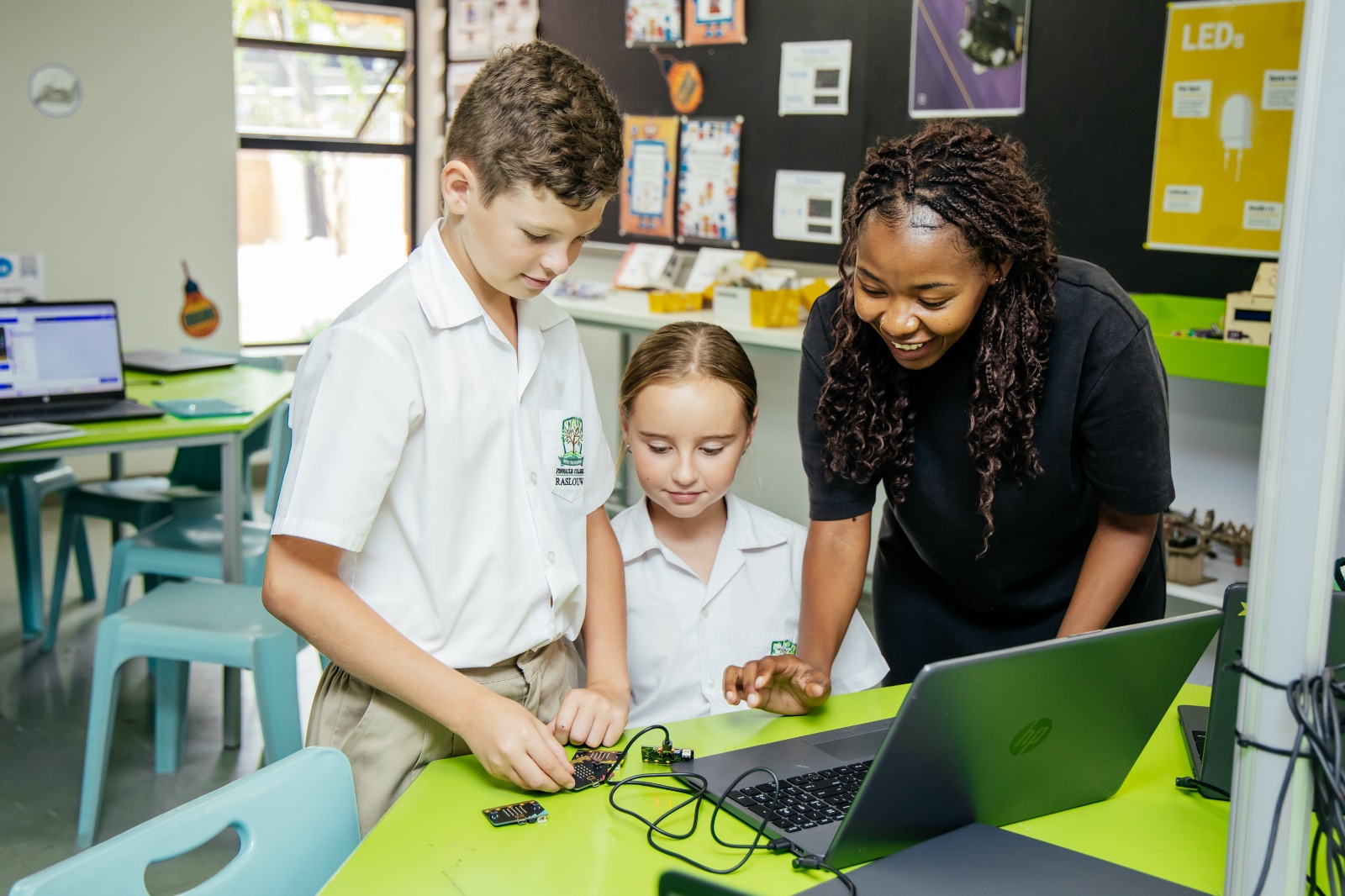
Real-time insights also help teachers recognise students who are ready for enrichment opportunities, ensuring they remain challenged, motivated and engaged.
Many parents worry that technology could reduce the important human interactions that shape a child’s educational journey. The reality is quite the opposite.
Data can provide information, but it cannot replace the empathy, encouragement and care that teachers bring into the classroom every day. Emotional wellbeing, confidence and motivation remain essential ingredients for success. Teachers build relationships, recognise emotional cues, celebrate achievements and help students navigate challenges.
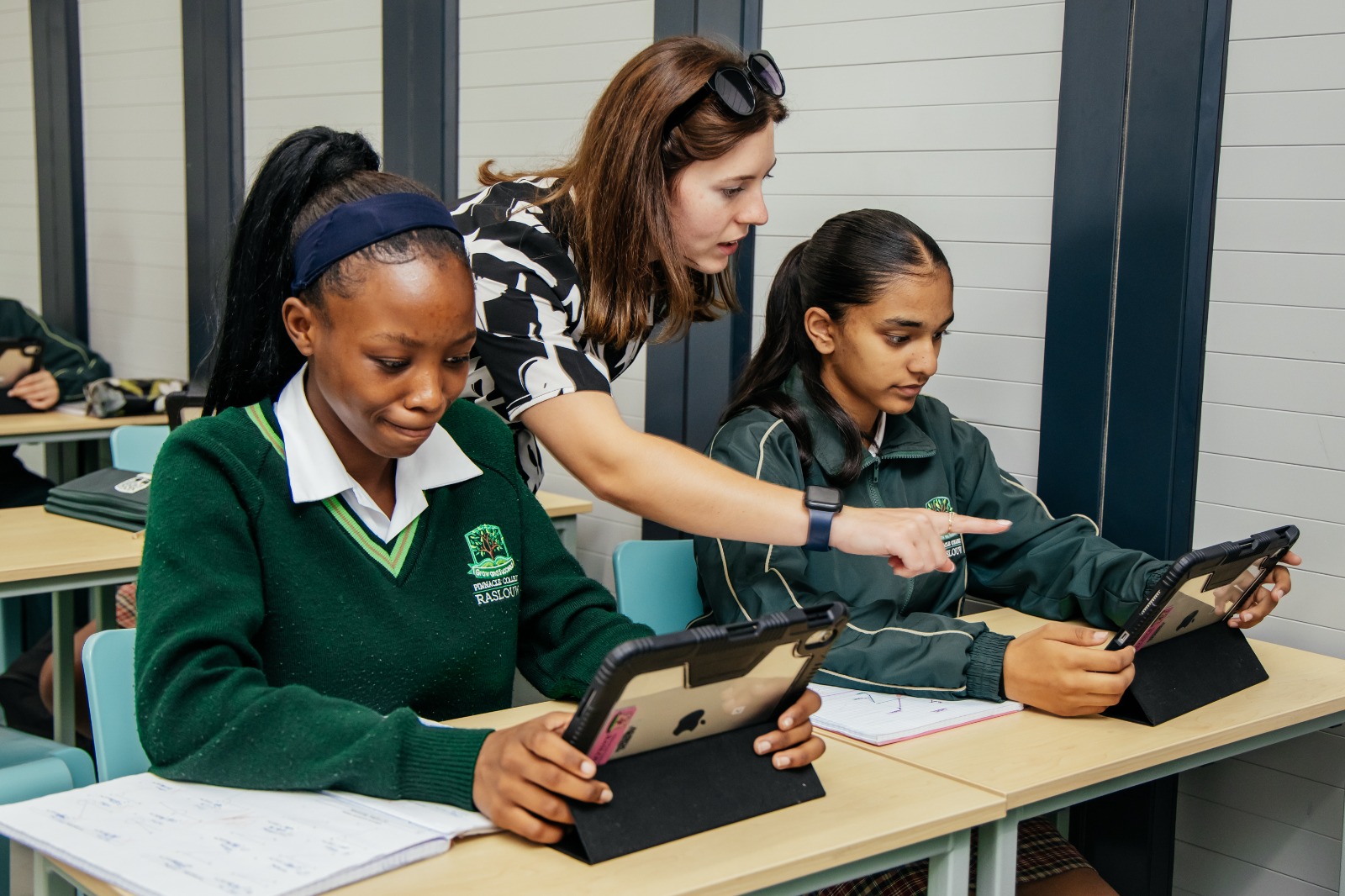
Strong connections between teachers and students create a sense of belonging that supports both academic and personal growth. AI may support learning through data and insights, but emotional intelligence, compassion and human understanding remain uniquely human qualities.
Critical thinking, creativity and collaboration are among the most important skills students will need in the future workplace. The development of these skills depends heavily on meaningful human interaction.
Teachers create opportunities for discussion, teamwork, problem-solving and inquiry-based learning. Classroom conversations encourage students to explore ideas, challenge assumptions and communicate effectively. Creative thinking develops through collaboration, reflection and real-world experiences rather than through technology alone.
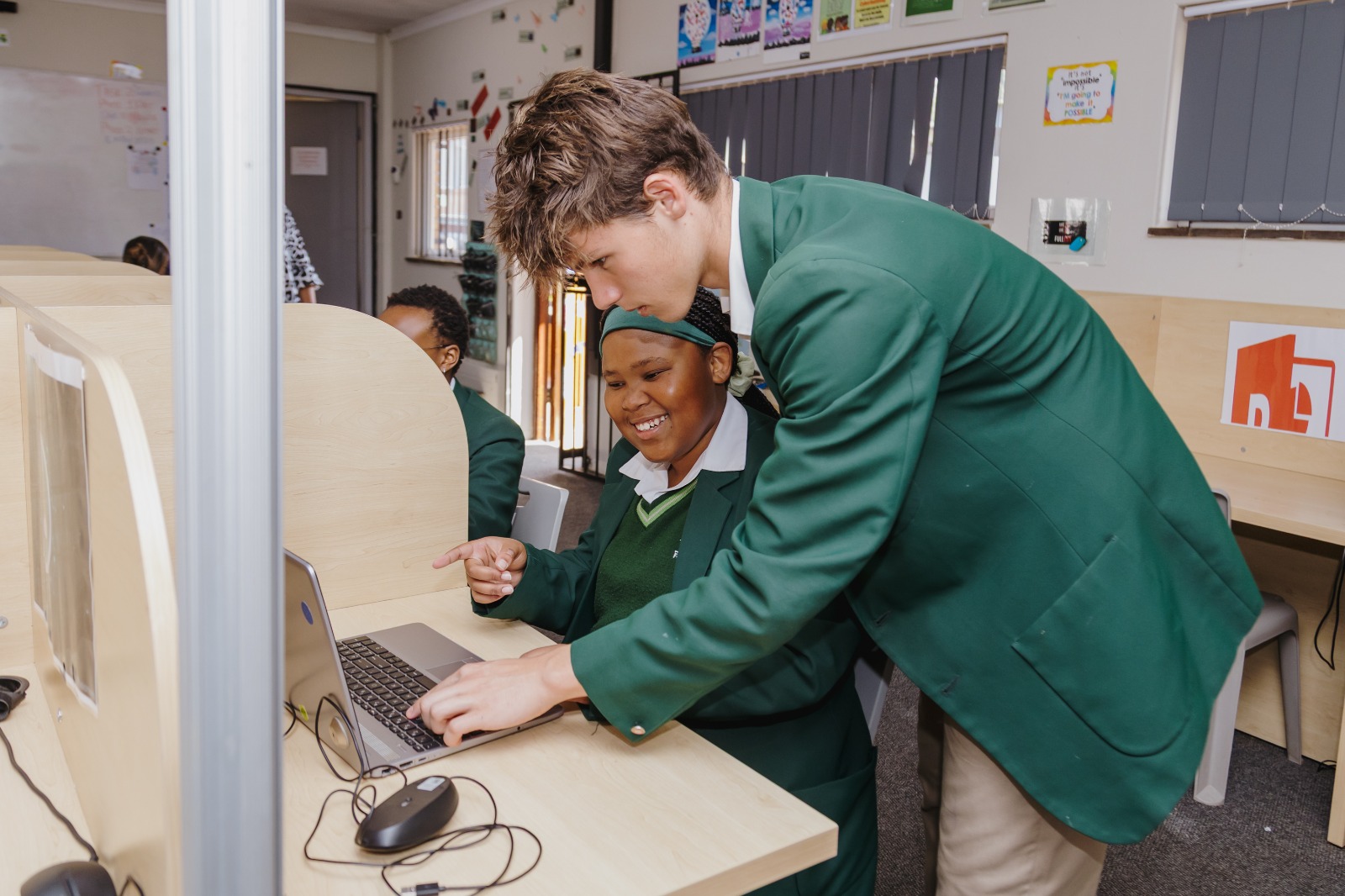
Responsible use of AI is equally important.
Digital tools should support learning rather than replace independent thought. Students need guidance to understand how technology can be used ethically, safely and purposefully. Teachers play a vital role in helping students develop digital responsibility while maintaining academic integrity and original thinking.
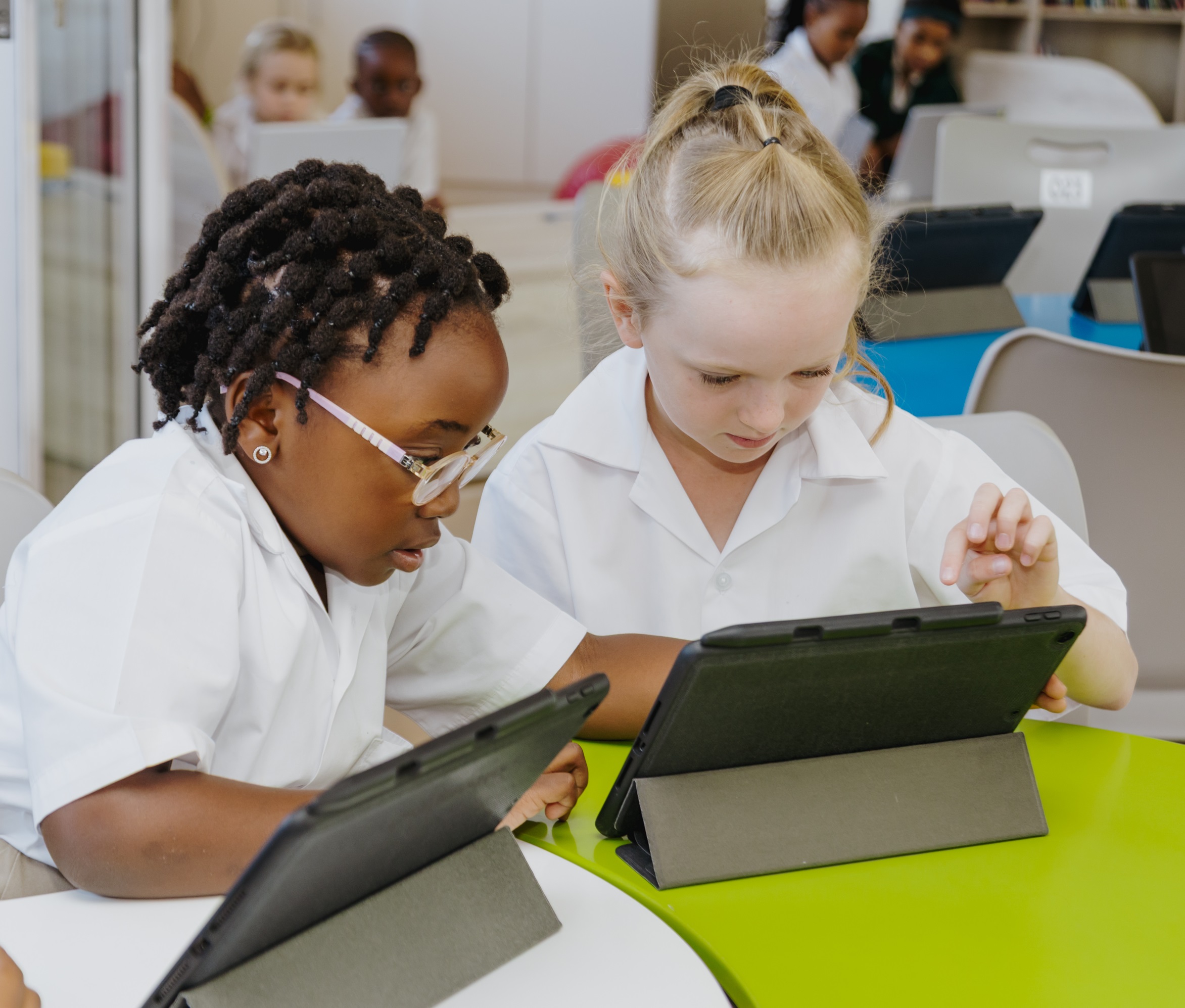
Balance remains a key principle, particularly in younger grades. Technology should complement learning rather than dominate it. Hands-on activities, movement, play, discussion and teacher interaction continue to form an essential part of a healthy educational experience.
Parents can feel reassured that AI-integrated learning is not about replacing traditional teaching methods. The purpose is to strengthen them.
Looking towards 2030 and beyond, students will need to be adaptable, resilient, creative and confident. AI can help teachers identify learning gaps earlier, personalise support and track progress more effectively. Teachers will continue to nurture the human qualities that technology cannot replicate, including emotional intelligence, curiosity, self-management and resilience.
Seal of Pinnacle College Linden believes the future of education lies in the partnership between innovative technology and skilled teachers.
“In a rapidly changing world, AI can help identify learning gaps and personalise support, but teachers remain at the centre of learning, guiding, modelling and nurturing the skills students need to succeed in life and future careers,” she says.
Parents should view AI as a valuable educational tool rather than a replacement for human teaching. Technology can provide insights and opportunities, but teachers remain the heart of learning.
Successful education will always depend on meaningful relationships, expert guidance and a genuine understanding of every student’s unique journey. AI can support that mission, but teachers inspire it.