



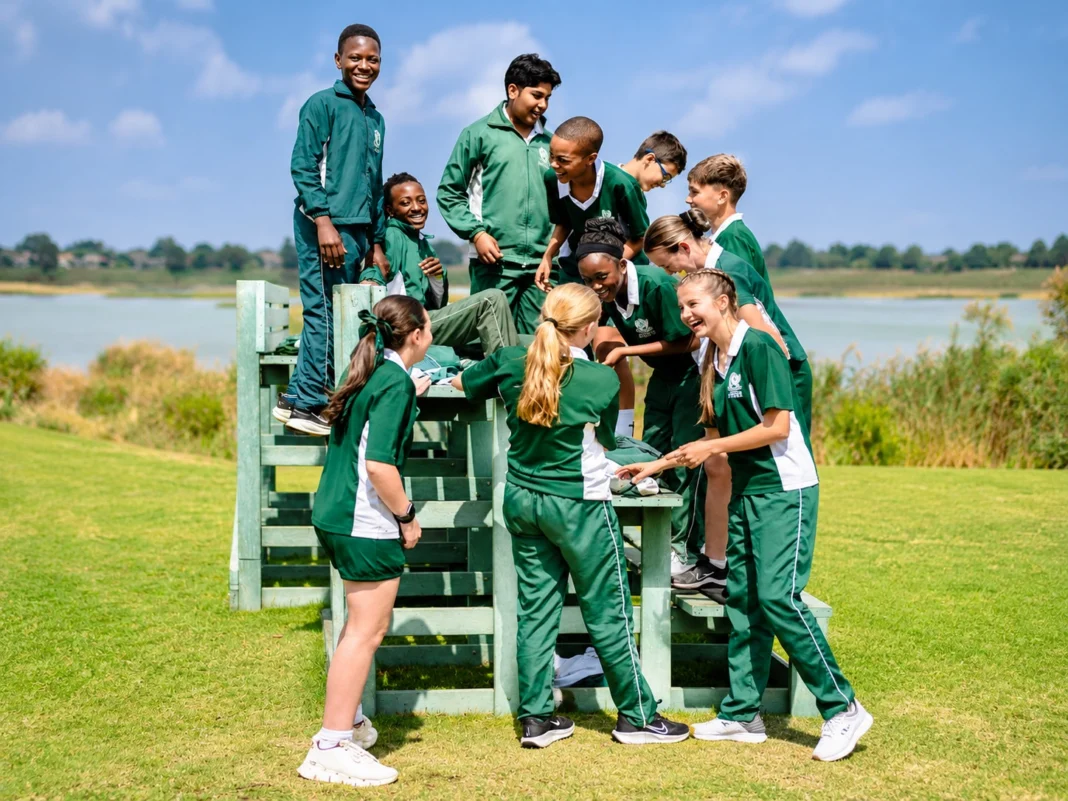
Tracy Bolleurs, Principal of Pinnacle College Rynfield, explains why independence, emotional readiness and belonging matter when students move to high school.
The new uniform is ready and the stationery is labelled, but a Grade 7 student may still be wondering: “Will I fit in?”
Moving to high school brings changing friendships, unfamiliar routines and greater responsibility. Tracy Bolleurs, Principal of Pinnacle College Rynfield, says readiness involves more than academic achievement. Emotional maturity, independence and the ability to manage uncertainty also deserve attention.
A student who achieves excellent marks may still need support navigating social situations, organising their day or asking for help.
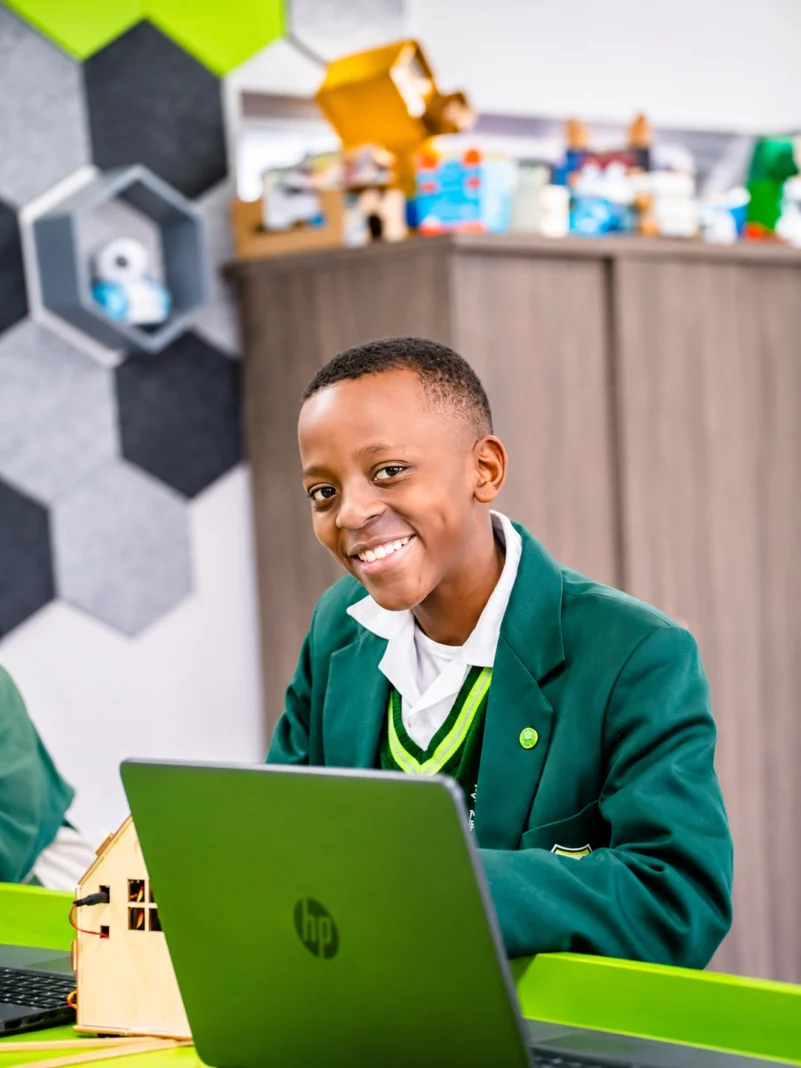
Independence starts before Grade 8
Bolleurs encourages families to build responsibility gradually, giving children opportunities to manage their belongings, schoolwork and commitments.
Parents can start with everyday tasks: packing schoolbags, checking timetables and planning homework around activities. Mistakes provide opportunities to reflect, understand consequences and make better choices next time.
These conversations should begin before the final year of primary school, helping children become familiar with expectations rather than facing them all at once.
“Early start helps later results!” says Bolleurs.
Parental guidance remains important. Children need clear boundaries and reassurance alongside opportunities to solve problems themselves.
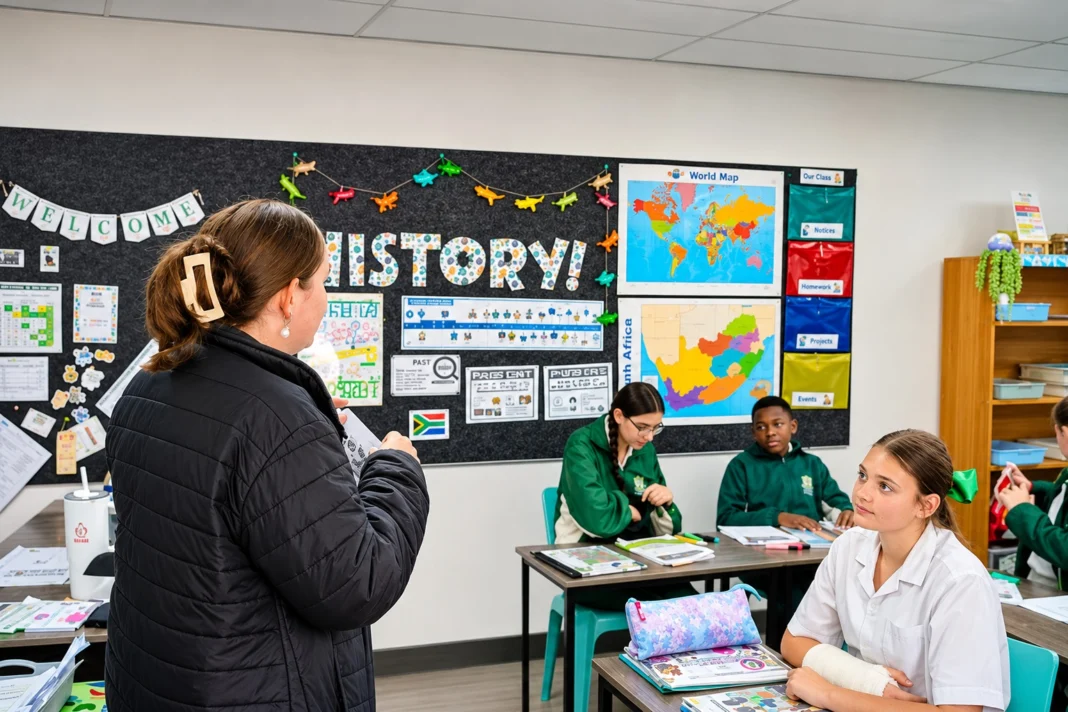
Take belonging seriously
The shift from being among the oldest students to among the youngest can unsettle a child’s confidence. Worries about friendships and fitting in should be heard rather than brushed aside.
Bolleurs encourages parents to ask specific, gentle questions that make it easier for children to share their experiences.
“Did you meet an interesting person today? What did you find fascinating this week? What about your day was exciting and or disappointing? Did you ask or answer a question in class?” she suggests.
Friendships may change when students attend different schools. Parents can help children maintain meaningful connections while remaining open to new friendships. Conversations about respect, boundaries and what makes a good friend can also help students think through peer pressure.
Create opportunities for connection
Schools can ease the transition through meetings for new students and carefully matched older student mentors. A familiar face can make approaching an unfamiliar environment feel more manageable.
Sport and cultural activities offer opportunities to connect through shared interests. Bolleurs recommends starting with one or two activities, allowing students time to adjust without overwhelming their schedules.
Teachers can encourage help seeking by asking which part of a task was difficult, creating space for students to explain uncertainty.
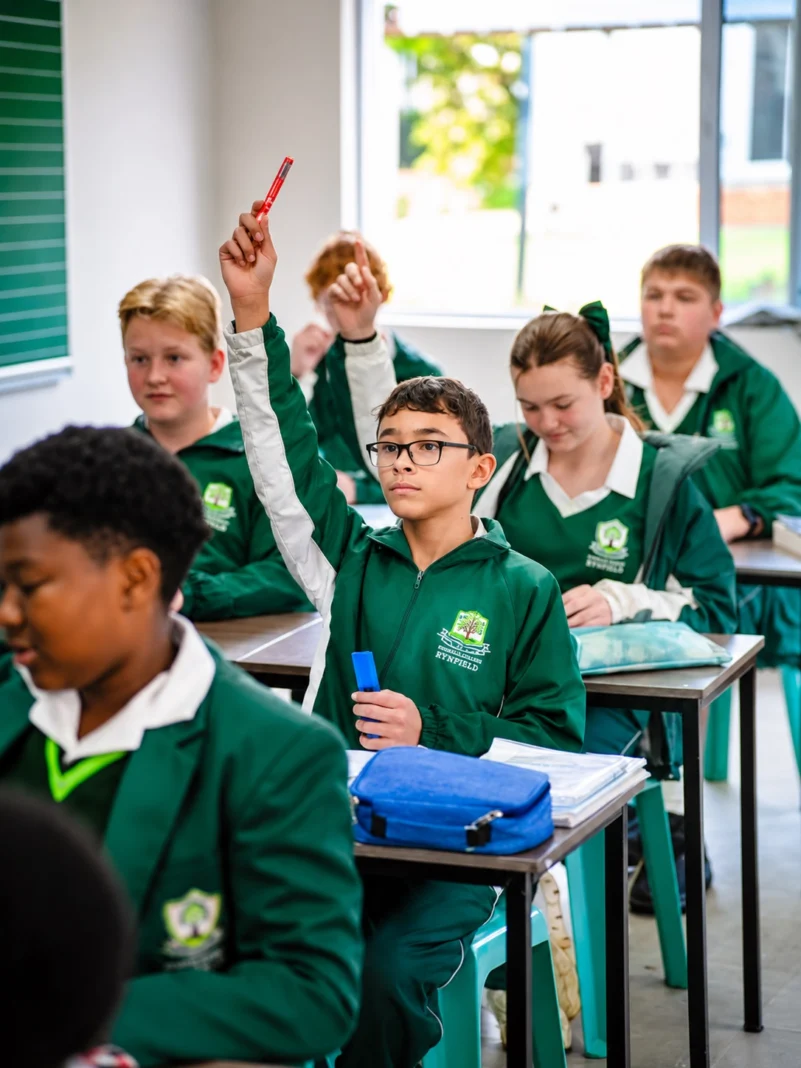
Support the individual
Neurodivergent students may benefit from advance explanations, choices and opportunities to practise unfamiliar situations. Communication between Grade 7 and Grade 8 teachers can help maintain strategies that already work.
“Each child is so unique, one size does not fit all,” says Bolleurs.
Parents should notice withdrawal or unusual changes in behaviour and respond with calm, supportive conversations. Contact with the school can help clarify what additional support may be needed. Regular check-ins can keep those conversations open as expectations change.
High school readiness grows through practice, connection and encouragement. Students need opportunities to take responsibility, make mistakes and discover that asking for help is part of becoming independent. The strongest foundation combines academic preparation with confidence that trusted adults will listen and help them find their feet.