


South Africa will host senior global leaders from The Institute of Internal Auditors (IIA) this month, as international and African internal audit leaders convene in Cape Town to examine the state of governance, risk management and control (GRC) across industries and sectors; and scaling the impact and transformation of the internal audit profession.
The engagement comes at a time when governance failures and accountability gaps are under intense scrutiny across South Africa’s public and private sectors. In exercising their accountability and fiduciary responsibilities, it is essential for management, boards, and audit committees to recognise the value of internal audit as trusted and strategic advisors, particularly in serving the public interest. This is especially timely ahead of the February 2026 National Budget speech, as internal audit will play a pivotal role in helping organisations and public institutions interpret, assess, and respond to new fiscal policies and allocations. In this climate, internal audit serves as a key safeguard, ensuring that both public and private institutions uphold their responsibility to the public and maintain stakeholder trust.
Despite positive progress with global developments, such as the launch of the Global Internal Audit Standards™ and the International Professional Practices Framework®, and local milestones, including the launch of the King V Code on Corporate Governance for South Africa in October 2025, incidents of intimidation and harassment of internal audit and GRC professionals persist. With greater understanding, protection, and support from stakeholders, internal audit functions can fully realise this critical role in promoting accountability, transparency, and ethical governance.
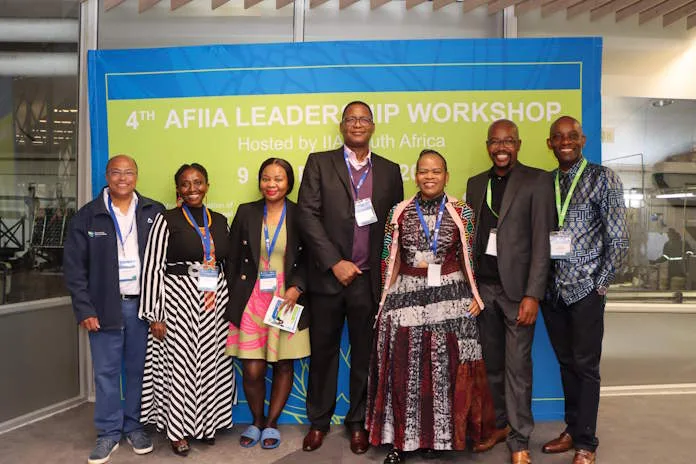
The engagement brings together the IIA Global Board of Directors, the executive leadership team, and staff members from The IIA global who will attend a series of meetings. The IIA global delegation includes Anthony J. Pugliese, President and CEO of IIA Global; Stefano Comotti, Chair of the IIA Global Board and Tshepo Mofokeng, IIA Global board member and Immediate Past Chair of the IIA South Africa and many others. Simultaneously, institute leaders from 29 IIA affiliates within the Africa region will come together for the 4th African Federation of Institutes of Internal Auditors (AFIIA) Leadership Workshop on February 9 and 10. The AFIIA delegation will include Thokozile Kuwali, AFIIA Chairman, Tafireyi Nyamazana, Vice Chair for Southern Africa on the AFIIA Governing Council, Lusanda Ncoliwe, member of the AFIIA Governing Council and IIA South Africa board chair, Thokozani Sihlangu, Vice Chair of the IIA South Africa board and many other senior leaders from the IIA institutes across Africa. The discussions will centre around the theme “Professionalising with Purpose: Aligning Strategy and Partnerships Across Africa”.
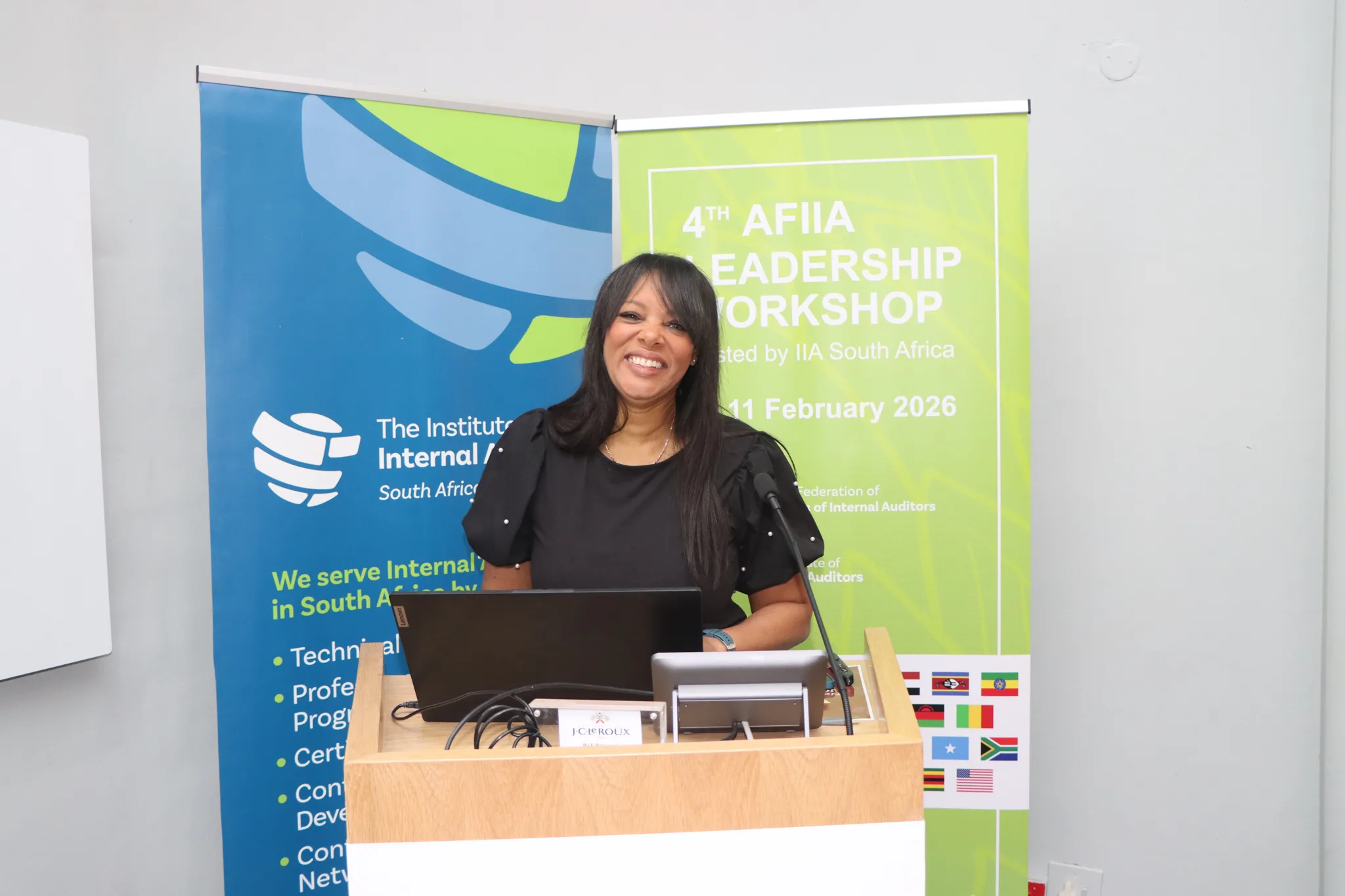
“South Africa faces numerous societal challenges that continue to hinder genuine progress and limit the impact we can achieve. While we remain aspirational in embracing both assurance and advisory roles, internal audit professionals are under significant pressure – including high unemployment, ongoing threats to personal safety, and limited funding to pursue professional certifications. The country also faces a critical shortage of skilled internal audit professionals. The strategic discussions at these engagements are solution oriented. In the context of the Government’s priority areas for national development and the focus of professionalisation, we aim to make meaningful inroads in sharing ideas and committing to actions that strengthen the profession. Our goal is to develop access and pathways for competent, future-fit internal audit professionals, who can support good governance, accountability and ethical oversight not only in South Africa, but across the continent and globally,” says Arlene-Lynn Volmink, IIA South Africa CEO.
Workshop discussions will continue on the agenda for the 12th AFIIA Conference that will be held in Cape Town, South Africa again in May 2026, continuing the focus on how governance and leadership should adapt to enhance and protect value; and serve public interest.