



In 2025, customer service is evolving from a ticket-first model to an experience-first approach. Whether you’re a fast-moving startup or an enterprise with global teams, the goal is no longer just to solve support requests—it’s to build intelligent, personalized, and real-time customer engagement workflows.
Traditional systems like Zendesk were effective in the email-centric era, but today’s businesses are looking for platforms that are collaborative, AI-powered, and integrated into everyday tools like Slack, Microsoft Teams, or in-app messaging. The shift is being fueled by three core needs:
- Rising expectations for faster response times
- The demand for leaner, more cost-effective support teams
- The growing role of AI and automation in customer service
Let’s explore the modern support tools redefining how startups and enterprises deliver exceptional service in this new era.
1. Thena – AI-Powered, Slack-Native Support for Modern Teams
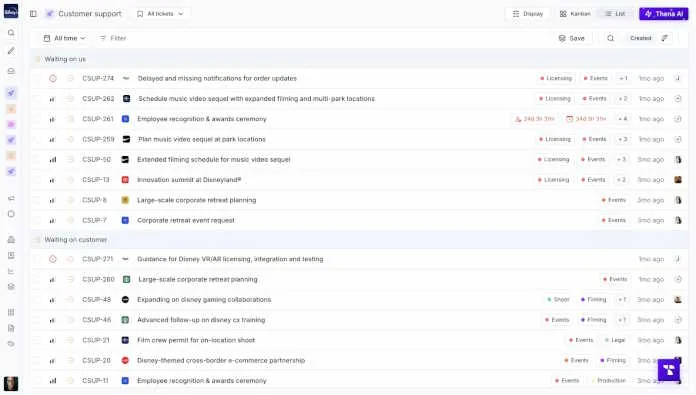
Thena is designed for B2B SaaS companies, startups, and remote teams that want to offer in-channel support directly inside Slack. Rather than treating support as a siloed operation, Thena brings it into the center of your team’s communication stack.
Ideal for:
- B2B SaaS companies
- Developer and product support inside Slack
- Lean support teams that value automation
Key Features:
- Slack-native ticket management (no toggling between tools)
- AI triage, summarization, and prioritization
- Seamless handoffs between customer success and product teams
Use Case Example: A SaaS startup uses Thena to manage customer issues directly in Slack Connect channels. With AI-powered summaries and real-time routing, their customer success team handles 30% more queries without increasing headcount.
🔗 Explore how Thena compares to Zendesk and other modern support tools in this in-depth guide.
2. Freshdesk – Robust Omnichannel Platform for Growing Teams
Freshdesk by Freshworks is a well-rounded platform designed for companies that manage support across multiple channels — email, phone, chat, and social media — without overwhelming agents.
Ideal for:
- Mid-market and enterprise companies
- Customer support teams looking for a mature ticketing system
Key Features:
- AI assistant “Freddy” for intent detection and auto-responses
- Shared inboxes and collision detection
- SLA management, custom workflows, and reporting dashboards
Stat to Know: Freshdesk serves over 50,000 customers globally and has consistently ranked as a top G2 leader for customer service platforms.
3. Gorgias – Customer Support Built for E-Commerce
Gorgias is a specialized help desk designed for online retailers and DTC brands. It integrates with Shopify, Magento, and WooCommerce, allowing support agents to respond to order-related questions with full visibility into customer data.
Ideal for:
- Shopify and DTC stores
- Brands needing fast, templated responses
Key Features:
- Access order data and tracking info within tickets
- Automate up to 30% of responses with intent-based macros
- Tag and prioritize VIP customers automatically
Use Case Example: An apparel brand uses Gorgias to auto-reply to “Where is my order?” queries, deflecting over 50% of incoming tickets through macros and self-service.
4. Intercom – Blending Customer Support with Growth
Intercom goes beyond traditional help desks by combining support, onboarding, and user engagement in a single platform. Its proactive messaging and bot flows make it popular for PLG (product-led growth) companies.
Ideal for:
- SaaS products and mobile apps
- Teams focused on in-product support
Key Features:
- Predictive chatbots and AI routing
- In-app guided tours and product announcements
- Behavioral triggers for contextual engagement
Popular Integration: Integrates natively with Salesforce, HubSpot, and Amplitude for complete user journey insights.
5. Help Scout – Customer Support with a Human Touch
Help Scout is a favorite for small businesses and nonprofits who want to offer personalized, email-based support in a team-friendly environment.
Ideal for:
- Startups and SMBs
- Teams valuing simplicity and human-first communication
Key Features:
- Shared inbox with collision detection
- Beacon 2.0: lightweight live chat + knowledge base widget
- Advanced tagging, reporting, and customer profiles
Use Case Example: A 10-person SaaS startup uses Help Scout to manage 200+ weekly tickets with a single support rep, thanks to its intuitive tagging and saved replies system.
What’s Driving the Shift in Customer Support?
Today’s support platforms aren’t just replacing old ones — they’re built on a completely different philosophy. Here’s what’s shaping the 2025 customer service landscape:
| Shift | Legacy Platforms (like Zendesk) | Modern Platforms (Thena, Intercom, etc.) |
| Interface | Centralized ticket portals | Slack/native chat, in-app support |
| Automation | Manual rules and macros | AI-first triage, summaries, bots |
| Collaboration | Email threads, siloed teams | Real-time, cross-functional workflows |
| Customer Experience | Reactive | Proactive, personalized |
According to McKinsey, companies that adopt next-gen support tools reduce resolution times by up to 50% and customer churn by up to 20%.
Final Thoughts: Experience-First is the Future
In today’s world, customer support is no longer a back-office function—it’s a frontline differentiator. The tools you choose influence customer loyalty, retention, and ultimately, revenue.
Whether you’re just starting out or managing a large-scale team, modern platforms like Thena, Freshdesk, Intercom, and Gorgias are proving that support can be fast, human, and scalable all at once.
If you’re still relying on outdated help desk software, now is the time to explore smarter, AI-native solutions that fit how your team works today—not how it worked a decade ago.