


Three decades into South Africa’s constitutional democracy, Disability Rights Awareness Month raises a question that goes beyond access to jobs, education and public services. Do people with disabilities still trust government to act when they are excluded?
By Sipho Rihlamvu
When a person with a disability applies for a job, they expect to be asked what they know, what they have done and what they can bring to the role. Picture them arriving for an interview. They have spent the evening reading up on the company and thinking about how their experience could help the team.
Their CV earned them a place in the room. Yet the first question is whether they will need someone to come to work with them every day. Twenty minutes later, the interview is over, and they have barely discussed the job. A week later, an email thanks them for their interest. They are left wondering whether anyone in that room was ever interested in what they could do.
From 3 November to 3 December, South Africa marks Disability Rights Awareness Month.
A person with a disability can expect to hear speeches about dignity, equality and inclusion. When the speeches end, they still have to find work, get to school or arrange transport.
After years of hearing familiar promises, do people with disabilities still trust government to intervene when they face discrimination or exclusion? And where that trust has worn thin, what will government do to earn it back?
South Africa’s Constitution explicitly prohibits unfair discrimination on the ground of disability. The government has adopted a White Paper on the Rights of Persons with Disabilities. These gains reflect years of advocacy by people with disabilities and their organisations.
Yet Statistics South Africa’s analysis of the 2011 and 2022 censuses found that people with disabilities continued to face barriers to education.
For a child waiting for a suitable school placement or classroom support, the cost is measured in lessons missed, friendships yet to be made and time no department can give back.
For a person who qualifies, a disability grant can mean food in the cupboard, electricity at home and money for transport. That support deserves to be protected.
Government also has a duty to address barriers that make it harder for a person with a disability to earn a living or participate in their community. Having money for a taxi fare helps only if they can board the taxi. Paying their way to a job interview gets them as far as the interview room. Once there, they still need a panel willing to ask about their qualifications and listen to their answers.
Some of the deepest wounds come from people whose regard a person thought they could count on. They ask a question and watch a relative direct the answer to whoever is beside them. They notice that invitations have stopped arriving since they acquired a disability. They return to work and discover that a project they led for years has been handed to someone else without a conversation about what support would help them continue.
The people responsible may barely remember these moments. The person on the receiving end starts to wonder who will still call, ask their opinion or trust them with work they have already proved they can do.
Then November comes, and a person with a disability is invited to tell their story. They make arrangements to attend and speak frankly about an experience that may be painful to revisit. The audience applauds. If they raised the same issue at last year’s event, they have every right to ask what happened in the intervening months. Who took responsibility? What was done? When a person reports a barrier and hears nothing back, silence can teach them that speaking up costs time and energy they can scarcely afford.
Government can begin earning trust by making it easier to report barriers and harder for those reports to go unanswered. A person who raises a complaint should know who is handling it, when they can expect a response and where to turn if the deadline passes.
Municipalities should publish which libraries, community halls and offices still have barriers, which improvements are funded and when residents can expect them. Education departments should say how long learners wait for support.
Employers should explain how candidates can request reasonable accommodation and how panels assess them against the job requirements.
On 3 December, government officials should be able to say which commitments they made the previous year and what they delivered. Where they fell short, they should name who will put it right and by when.
On 4 December, a person with a disability should be able to see some of that progress for themselves when they take a taxi, visit a municipal office or apply for a job.
The person who went for that interview knew they might lose the job to someone with more experience or a better answer. They were prepared to take that chance. They deserved the same opportunity as everyone else in the waiting room to show what they could bring to the role.
After three decades of constitutional democracy, how many more Novembers must pass before a person with a disability can sit down for an interview and be asked about the work they came to do? Is it not time for government to explain what it has actually done to remove the barriers people with disabilities face?
Which programmes has it rolled out to challenge stigma in schools, workplaces, and public services, and how does it know whether they have changed how people are treated?
Where is the latest employment audit showing how many people with disabilities are employed in the public and private sectors, what positions they hold and whether they are being promoted? For someone who keeps applying for work and rarely gets an interview, those figures would show whether commitments to employment equity are opening doors.
What conversations is government having with people with disabilities and the organisations that represent them? Who is invited to help set priorities, and what has changed because of what they said? Trust depends on what happens after those meetings. When a person with a disability reports a barrier, they should know who is responsible for addressing it, when they can expect a response and what action has been taken.
By the next Disability Rights Awareness Month, they should be able to point to a barrier they helped bring to government’s attention and say it has been removed.
Society is more likely to take people with disabilities seriously when government leads by example. When a public department employs and promotes people with disabilities, a municipality funds the removal of barriers, or an official acts on a complaint of discrimination, each decision shows what respect looks like in practice.
The same applies when government gives people with disabilities a say in how public services are designed and how budgets are spent.
If a person with a disability is invited to share their story in November, they should also have a seat at the table when decisions are made in March. The way government treats people with disabilities in its own institutions sets the standard it can credibly ask the rest of society to meet.
People with disabilities should not be inconveniences to be managed, burdens to be tolerated or lesser citizens whose rights can be suspended whenever they become inconvenient. They are equal human beings, deserving of equal dignity, equal opportunities and equal respect.
A truly inclusive society is not one in which people with disabilities must constantly fight for their place, but one in which they never have to fight for their rights to belong. But for now, people with disabilities are still waiting.
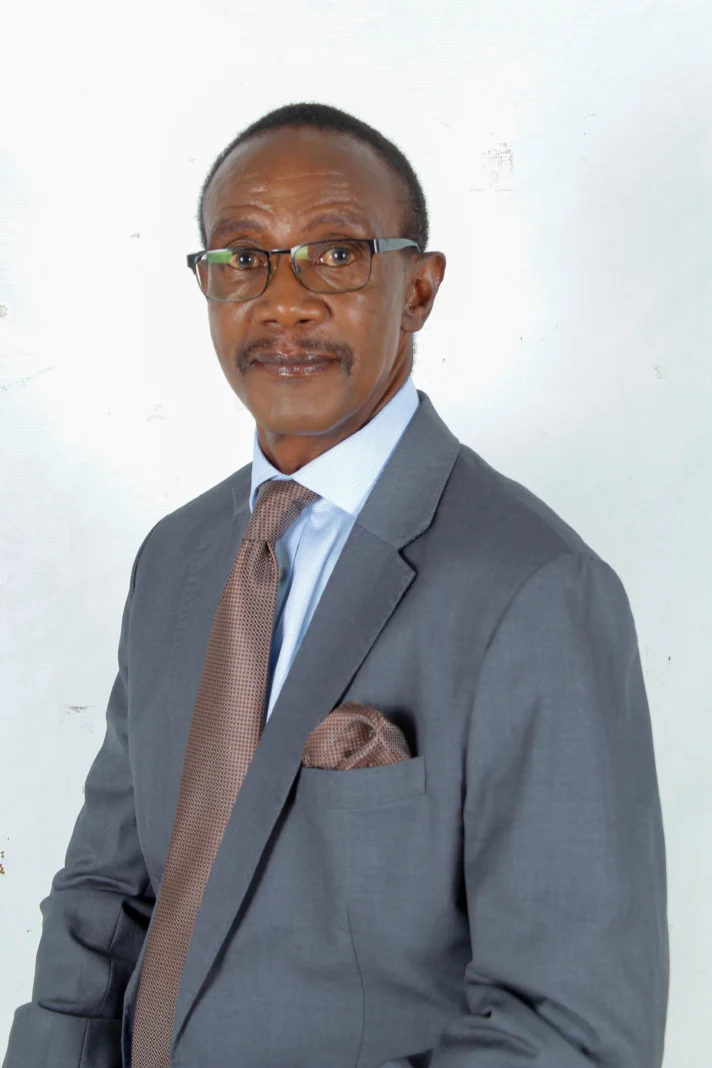
Sipho Rihlamvu lives with a disability. He is a Communications Strategist, Chairperson of NPO Disability Identity & Events, Author of Motivational Book “Rise, Shine & Salute the Sun”, and Managing Director of Oratile Communications.