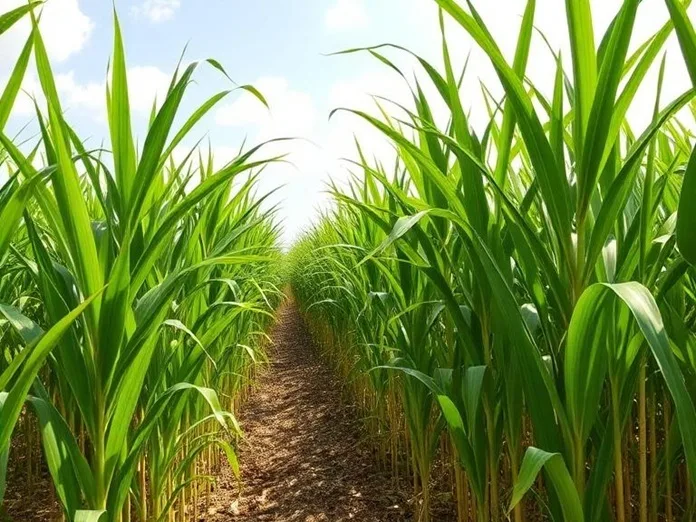
MPUMALANGA, SOUTH AFRICA — Small-scale farmers in Mpumalanga are facing severe financial hardship after heavy rains and subsequent flooding devastated local sugar cane production. The extreme weather experienced late last year and early this year has resulted in poor-quality harvests that have been rejected by milling companies, stripping agricultural communities of their expected income and disrupting the regional sugar cane production cycle.
The unrelenting rainfall made it nearly impossible for farmers to access their fields, preventing them from applying fertilizers and executing other necessary agricultural tasks. As a result, the sugar cane that did survive is of substandard quality, leading to massive revenue losses for the affected growers.
A 73-year-old small-scale farmer who has cultivated sugar cane for nine years described the current season as a bitter disappointment after 750 tons of his crop were rejected locally due to poor quality.
According to the grower, milling companies tested his harvest and found a sugar purity level of only 76%, falling short of the required 78% threshold. This rejection resulted in a devastating financial loss of over R450,000 for the veteran farmer.
“The roads were not properly built to handle heavy rainfall, which prevented lorries from even reaching the fields,” the farmer explained, highlighting the severe infrastructure challenges exacerbated by the floods.
Because the fields remained inaccessible, crucial farming maintenance was entirely neglected. Now, the affected growers are trapped in a cycle of financial strain, unable to fund the next planting season.
“It is incredibly difficult because the money needed to return to the fields is supposed to come from this harvest,” the 73-year-old stated. “Now there is no money to buy fertilizers, pay for electricity, or pay the workers.”
In response to the crisis, the provincial government eventually intervened to assist the farming communities. The farmer noted that authorities deployed graders and rollers to repair the inaccessible farm roads and improve logistics. However, the farmers maintain that the infrastructure assistance arrived too late to salvage the current season’s ruined harvest.
Looking ahead, the affected small-scale farmers are urgently appealing for direct financial assistance. Without immediate monetary support to cover operational costs and recover their losses, many in the community fear they will be unable to sustain their livelihoods in the sugar cane industry.