
A new internship programme is strengthening local conservation capacity in one of the country’s most important Marine Protected Areas (MPAs) on the KZN South Coast
Just 5km offshore of Umkomaas on the beautiful KZN South Coast is Aliwal Shoal MPA, one of the world’s premier diving destinations, attracting international visitors to experience a world of remarkable biodiversity. Yet despite its ecological significance and protected status, one of the greatest challenges facing this unique MPA is a shortage of people actively involved in conservation, monitoring, education, and stewardship.
However, a new Aliwal Shoal Leadership Programme is addressing this challenge by equipping local young adults with the necessary knowledge, skills, and practical experience needed to support the long-term protection of this MPA.
Created and led by marine scientist Dr Michelle Carpenter, with funding from the Rufford Foundation and administrative support from Wild Alliance Africa, the programme provides aspiring conservationists with direct exposure to marine science, citizen science, environmental education, and ocean advocacy.
“Aliwal Shoal is one of the most extraordinary marine environments in South Africa, yet many local people have never had the opportunity to experience it or become involved in its protection,” said Dr Carpenter. “Over time, I realised there was significant interest from young South Africans wanting to enter the marine conservation field, but very few pathways available to them. This programme was created to bridge that gap and build local capacity where it is desperately needed.”
Why Aliwal Shoal MPA Matters
Since 2004, Aliwal Shoal has been protected as an MPA. Before receiving this protection, the reef faced pressures from overfishing and the aquarium trade, highlighting the need for stronger conservation measures.
The value of protecting marine ecosystems extends far beyond the coastline. The ocean regulates climate, absorbs significant amounts of carbon dioxide, produces around half of the Earth’s oxygen, and provides a primary source of protein for billions of people worldwide. Marine Protected Areas are designed to help safeguard these systems by protecting critical habitats and maintaining healthy marine ecosystems.
When effectively managed, MPAs help to:
- Conserve biodiversity
- Protect breeding, nursery, and feeding habitats
- Support the recovery of fish populations
- Safeguard important ecological processes
- Provide valuable sites for long-term scientific research
Dr Carpenter explains that Aliwal Shoal lies within a unique biogeographic transition zone where tropical and temperate marine ecosystems meet, creating exceptional biodiversity. As a result, the MPA provides critical habitat for numerous threatened and protected species, including ragged-tooth sharks, dusky sharks, sea turtles, and rays such as the endangered Shorthorned Pygmy Devil Ray. The area also contains important feeding, breeding, resting, and cleaning-station habitats that support marine populations throughout the region.
The significance of Aliwal Shoal and other protected marine environments will be highlighted on 1 August during MPA Day, an international celebration of Marine Protected Areas and the role they play in safeguarding ocean biodiversity. As one of South Africa’s most important MPAs, Aliwal Shoal demonstrates why protected areas matter and why investing in local conservation capacity is essential to their long-term success.
Growing Local Capacity for Conservation
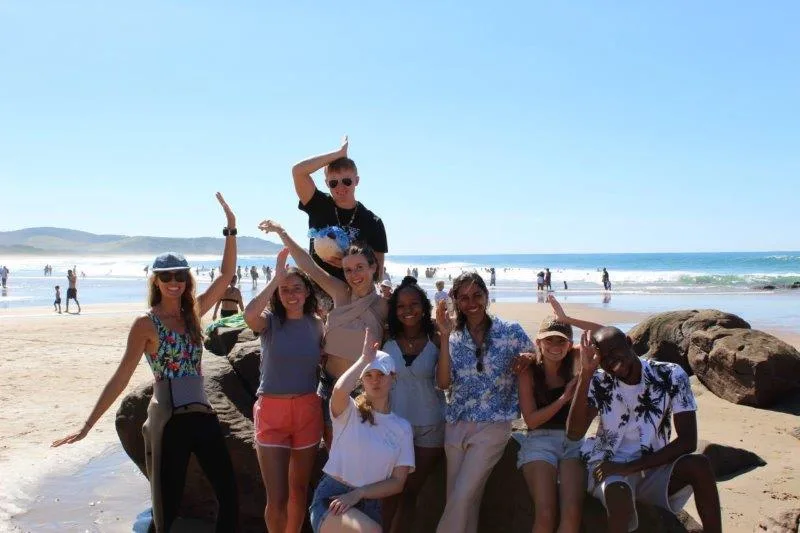
The leadership programme currently supports 13 participants from local communities. Although initial funding was available for only five placements, overwhelming interest highlighted a strong desire among local young people to become involved in marine conservation.
To date, participants have completed:
- A customised Aliwal Shoal oceanography course
- Scuba and freediving certification
- Citizen science and species-identification training
- Environmental education and community outreach initiatives
Interns are also developing independent projects focused on marine conservation topics, ranging from shark and ray conservation to environmental education and biodiversity monitoring. This includes highlighting the value of sharks to marine ecosystems, with the detrimental impact that shark nets and drumlines have on shark species.
“This programme shows that passion and practical training can create meaningful opportunities for people to contribute to marine conservation,” said Dr Carpenter. “At the same time, Aliwal Shoal benefits from having more eyes, ears, and hands actively involved in protecting this globally important ecosystem.”
Meara-Quinn Candy, one of the current interns, says these types of opportunities need to be taken, adding that the ‘insight gained is unparalleled’: “Our ocean, and the environment in general, need more advocates to be the voice that they lack. These programmes give us the ability to be that voice and contribute to something greater than us. We also find community, hope, information and knowledge that many believe you can only gain through a degree. This type of access is worth far more than any degree.”
Conservation Through Community Action
Interns are already applying their training through community outreach and citizen science initiatives that strengthen local understanding of marine conservation while generating valuable information to support future management decisions. These activities not only help raise awareness about the importance of marine conservation but also create opportunities for more people to engage with and support the protection of Aliwal Shoal.
Activities have included:
- Presenting educational talks at five local schools
- Assisting with educational snorkelling experiences for youth organisations
- Delivering conservation awareness presentations at the Ocean Festival, World Ocean Day, and MPA Day
- Participating in biodiversity monitoring and citizen science surveys
- Contributing to marine species identification projects focused on manta rays and other megafauna
Get Involved
Interest in the Aliwal Shoal Leadership Programme continues to grow, with enquiries already being received for future intakes. Individuals, organisations, schools, and potential sponsors interested in supporting or participating in future internship opportunities are encouraged to get in touch to learn more about the programme and its ongoing conservation initiatives.
- Follow Dr Michelle Carpenter on Instagram @mobulidmich | YouTube Living Blue.
- Keep updated on the Ocean Leaders on Instagram @aliwalshoal.oceanleadership.
The importance of Aliwal Shoal and other protected marine environments will also be highlighted during MPA Day on 1 August, an international celebration of Marine Protected Areas and the role they play in safeguarding ocean biodiversity. Find out more about MPA Day by visiting www.mpaday.org.