



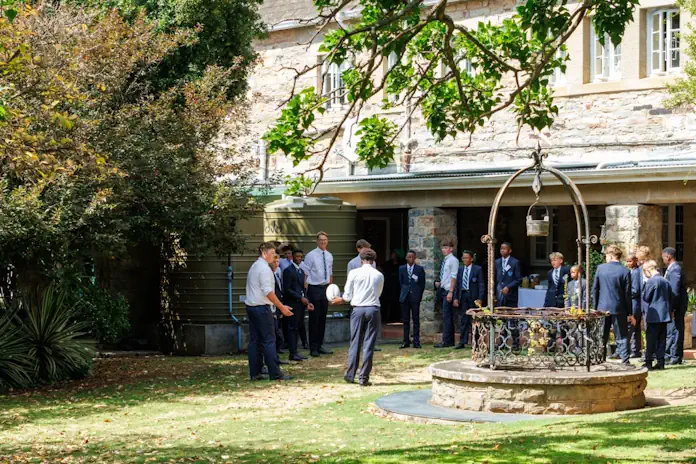
As family life becomes increasingly fast-paced and children’s schedules more demanding, the role of boarding school has shifted. No longer simply a practical solution, it has become a considered lifestyle choice and an intentional investment in your child’s education – one that offers structure, support and a strong sense of community during some of the most formative years of a young person’s life.
Full term boarding, which both DSG and St Andrew’s offer, provides an education in and of itself – a daily immersion in responsibility, relationships and resilience that extends far beyond the classroom. As Mike Fennel, Espin Housemaster at St Andrew’s College, notes, “Boarding offers immersion… education is not something that switches off at 2pm, it becomes a lived, holistic experience that shapes character as much as intellect.”
In Makhanda, this philosophy is brought to life through the long-standing partnership between Diocesan School for Girls (DSG) and St Andrew’s College – sister and brother schools that together offer a holistic, future-facing boarding experience for modern families.
A foundation of belonging and connection
One of the defining features of contemporary boarding is the strength of its diverse and supportive community. At both DSG and St Andrew’s, boarding houses are spaces where pupils are known, supported and encouraged to find their place.
At DSG, girls are immersed in a close-knit, diverse community where friendships transcend cultural, geographic and social boundaries, forming networks that last a lifetime. As Louise Todd, House Director of Manyano House DSG explains, “Navigating friendships, learning how to resolve small conflicts, and adjusting to ever-evolving networks are all part of the process… valuable opportunities for girls to learn about empathy, communication, and responsibility within a community.”
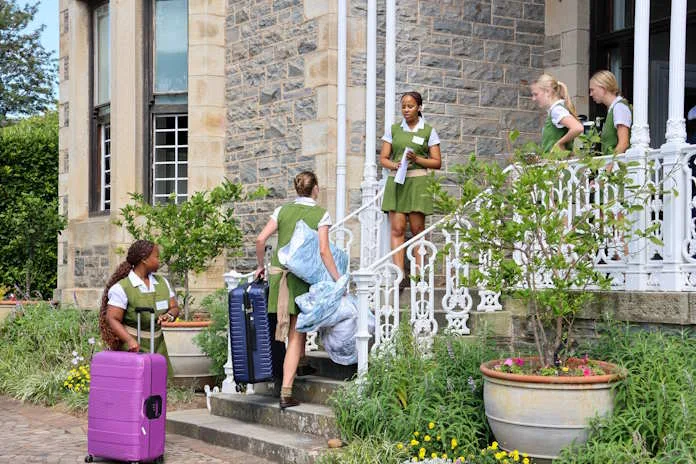
The same sense of connection underpins life at St Andrew’s, where boys live alongside peers from across South Africa and around the world, building strong, lasting relationships through shared daily experiences. Living in community, Todd adds, “creates a strong sense of belonging… knowing they are part of something bigger.”
These environments are intentionally structured to foster connection, not only between pupils, but between pupils and staff. Teachers, tutors and house parents are present throughout the day, offering consistent academic guidance and mentorship in multiple settings, from classrooms to sports fields to boarding houses.
Pastoral care reimagined
Modern boarding places significant emphasis on wellbeing, recognising that academic success is deeply intertwined with emotional, social and physical health.
At DSG, this is underpinned by a comprehensive Wellness Team with a layered support structure, – which includes both educational and clinical psychologists, nursing staff, a doctor and a chaplain – a team which supports each pupil’s holistic development. Every girl is also connected to a tutor who acts as both mentor and sounding board throughout her school journey.
For Nozuko Konjwa, Deputy Head: Pastoral, boarding is ultimately about shaping well-rounded individuals: “We want to send out responsible adults into the world – girls who can socialise with anyone, excel academically, but also remain compassionate and kind.”
At St Andrew’s, a similarly robust pastoral system ensures that every boy is visible and valued, with strong structures in place to support physical health, spiritual wellbeing and personal growth. This intentional care creates a secure foundation from which confidence, leadership and character can develop.
Where real growth happens
Perhaps the most significant evolution in boarding is how independence is cultivated – not through isolation, but through guided autonomy. Pupils learn to manage their time, make decisions and take responsibility for their actions within a structured, supportive environment. This balance prepares them for life beyond school, fostering maturity and self-sufficiency long before university.
This independence is built with care and intention. “The boarding environment requires pupils to learn independence,” says Todd, “but through the constraints of a routine-based system they learn how to position themselves within existing structures while asserting their individuality.” Over time, this feeds directly into confidence.
This growth is often shaped through everyday moments: learning to share space, navigate differences and build empathy. As Cindy Fumbata, House Director of Knowling House DSG, reflects, “Overall, it’s about living with other people – learning compromise, negotiating what you want, as well as being able to say, ‘That’s my sister, I’ve got her back.’”
Resilience, too, is an essential part of the journey. Away from home, pupils begin to build emotional strength and develop support systems beyond their immediate families. “They learn how to rely on people other than their parents,” Todd adds, “which makes them braver going out into the world, knowing how to build support systems for themselves.”
Pupils at both schools are encouraged to step beyond their comfort zones – trying new activities, engaging with diverse perspectives and embracing challenges that build confidence and resilience.
A balanced, opportunity-rich lifestyle
A key advantage of boarding lies in its seamless integration of academics, sport and culture. With facilities, coaching and support available throughout the week, pupils are able to pursue a wide range of interests without the logistical constraints of daily commuting.
This means pupils can engage fully in academic, cultural and sporting life, with time structured to allow for both productivity and connection. Both DSG and St Andrew’s offer similarly broad programmes – from sport and music to outdoor education – ensuring that every pupil can find their niche and develop a sense of purpose.
Shared experiences, such as the iconic 21-day Fish River Journey undertaken by both DSG girls and St Andrew’s boys, further reinforce resilience, teamwork and a spirit of adventure – hallmarks of a truly modern education.
The magic of Makhanda
Beyond the schools themselves, the setting plays a vital role. Makhanda offers something increasingly rare: a slower, more intentional pace of life, where community, connection and personal growth take centre stage. Described as a place where authenticity and relationships matter most, the town provides a safe, supportive environment in which young people can grow up organically, grounded in both tradition and a sense of belonging.
In an era where families are seeking more than just academic excellence, boarding at DSG and St Andrew’s represents a thoughtful, future-ready choice. It is an experience that equips young women and men not only with knowledge, but with the confidence, resilience and empathy to navigate an increasingly complex world – together, and independently.