



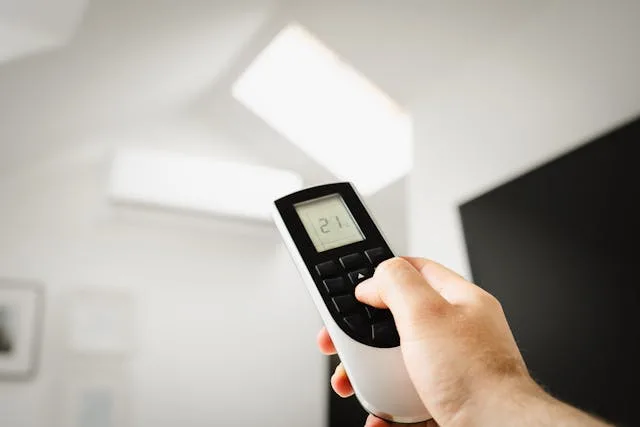
Modern technology has completely changed the game when it comes to managing your home’s climate. What once required manual adjustments and guesswork now operates with remarkable intelligence and precision. Smart home integration with your heating and cooling equipment isn’t just a luxury anymore, it’s become one of the most practical upgrades you can make. These intelligent features boost comfort while slashing energy consumption and utility bills. When you connect your HVAC system to smart technology, you’re creating a living environment that actually responds to how you live, keeping temperatures just right throughout your home. The benefits go way beyond what you’d expect from a simple thermostat upgrade.
Smart Thermostats and Learning Capabilities
Think of smart thermostats as the brain of your climate control system, they’re that much smarter than their traditional counterparts. These devices actually learn your habits and preferences over time, making automatic adjustments that keep you comfortable while saving energy. Many include occupancy sensors that know when rooms sit empty, avoiding the waste of heating or cooling spaces nobody’s using. You can set up custom schedules for weekdays versus weekends, ensuring your home hits the perfect temperature right when you walk through the door.
Voice Control Integration and Hands, Free Operation
Voice-activated assistants have transformed how we interact with our homes, and climate control is right at the center of this revolution. Integration with popular smart platforms means simple voice commands handle temperature adjustments, fan speed changes, or switching between heating and cooling modes. This hands-free operation becomes incredibly valuable when you’re juggling grocery bags, stirring a pot on the stove, or getting cozy under the covers at bedtime. Different family members can adjust their own zones without affecting everyone else’s comfort, a real game-changer for households with varying temperature preferences.
Zoning Systems and Room-by-Room Temperature Control
Smart zoning takes the old “one temperature fits all” approach and turns it on its head. Instead of heating or cooling your entire home to the same degree, motorized dampers in your ductwork respond to individual thermostats or sensors, sending conditioned air exactly where it’s needed. This targeted approach eliminates those frustrating hot and cold spots while avoiding energy waste in rooms you’re not even using. Families can set different temperatures for bedrooms, living areas, and home offices based on who’s using them and when. When installing smart zoning capabilities, professionals who need to integrate these advanced features with existing climate control infrastructure often work with an experienced HVAC contractor to ensure proper system compatibility and optimal performance. These systems automatically balance airflow throughout your home, keeping things efficient while maintaining comfort where people actually are. The technology recognizes which zones need attention and operates your equipment accordingly, rather than wastefully conditioning your entire house just to satisfy one room’s needs. Integration with occupancy sensors and door or window contacts creates a truly responsive system that adapts dynamically as conditions change throughout the day.
Air Quality Monitoring and Automated Ventilation
Smart HVAC integration does much more than control temperature, it manages the overall quality of the air you breathe. Advanced sensors constantly monitor humidity levels, carbon dioxide buildup, volatile organic compounds, and airborne particles floating through your home. When air quality dips below healthy standards, these systems automatically adjust ventilation rates, kick on air purifiers, or ramp up filtration. Real-time air quality readings appear right on your phone, letting you track patterns and make smart decisions about your home’s ventilation needs.
Energy Usage Analytics and Optimization
Comprehensive energy monitoring gives you an inside look at exactly how your HVAC system performs and what it costs to run. Smart systems track runtime hours, consumption patterns, and efficiency metrics, presenting everything through user-friendly dashboards and detailed reports. Comparing historical data helps spot unusual patterns that might signal maintenance needs or inefficiencies worth addressing. Many platforms offer personalized suggestions for improving efficiency based on your specific usage and local climate.
Conclusion
Smart home technology integration with HVAC systems represents a genuine leap forward in how we experience comfort, efficiency, and control at home. From thermostats that learn your habits to voice commands, zoning capabilities, and air quality monitoring, these features work together as an intelligent climate management system. The combination of convenience, energy savings, and enhanced comfort makes smart HVAC integration one of the smartest investments modern homeowners can make. As technology keeps advancing, these integrated systems will only get better, offering even more ways to optimize your indoor environment. Investing in smart HVAC features today sets your home up for better performance, lower operating costs, and superior comfort well into the future.