



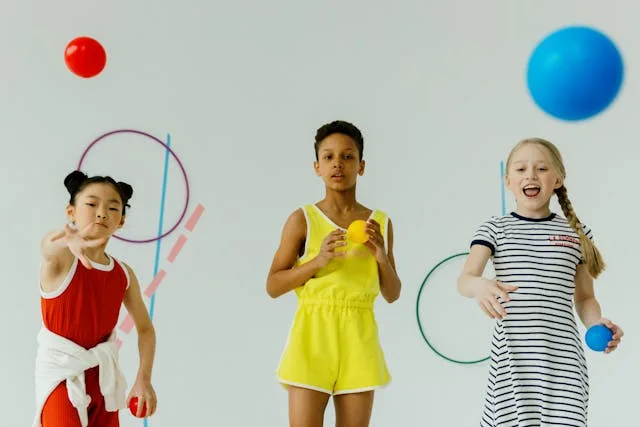
Getting kids involved in sports early on delivers benefits that reach way beyond just staying in shape. When children participate in athletics, they pick up essential life skills like working with others, staying disciplined, setting meaningful goals, and bouncing back from setbacks. They grow more confident, figure out how to handle winning and losing with grace, and develop healthy patterns that can stick with them for decades. The trick? Finding sports that actually match what your child enjoys, what they’re capable of, and where they are developmentally, all while making sure they’re having a blast and staying engaged.
Soccer: The Universal Game
Soccer ranks among the most accessible sports for kids anywhere in the world, needing very little gear and offering countless ways to get involved. What makes soccer so appealing is its straightforward nature, children really just need a ball and some open ground to start building skills and having fun. This sport delivers fantastic cardiovascular benefits while teaching basic movement skills like running, jumping, and pivoting quickly. Kids who play soccer develop solid foot, eye coordination and start thinking strategically about where to position themselves and how to work as a unit.
Swimming: A Life Skill and Sport Combined
Swimming stands out as both a critical safety skill and a competitive sport, which makes it one of the most worthwhile activities children can learn. Setting aside the obvious safety advantages of knowing how to swim confidently, this low-impact activity works the entire body while building strength, stamina, and flexibility without stressing developing joints. Children who swim consistently develop impressive cardiovascular fitness while mastering breathing techniques that help them in practically everything they do. Swimming lessons typically welcome kids as young as toddlers, with teaching methods tailored to different ages that naturally advance as abilities improve.
Basketball: Fast-Paced Action and Team Dynamics
Basketball grabs young athletes’ attention with its quick tempo, plenty of chances to score, and the way it blends individual talent with team coordination. Being an indoor sport means year-round opportunities no matter what the weather looks like outside, which particularly appeals to families in areas with brutal winters or sweltering summers. Children playing basketball sharpen their hand-eye coordination, spatial awareness, and split-second decision-making as they move around the court responding to constantly shifting situations. The sport adapts beautifully for different age groups, adjustable hoops and smaller balls help younger players who’re just getting the hang of things.
Tennis: Individual Excellence and Mental Toughness
Tennis gives children a chance to build both physical skills and mental strength in a sport they can genuinely enjoy for their entire lives. This racquet sport puts the spotlight on individual accountability, players depend completely on their own abilities, strategy, and grit during matches. Young tennis players develop remarkable hand-eye coordination, nimble footwork, and the knack for reading opponents’ movements and predicting their next moves. The scoring format and match structure teach kids to stay sharp over long stretches and bounce back mentally from rough patches, since the tide can turn dramatically within a single game.
Martial Arts: Discipline Meets Physical Development
Martial arts cover a wide spectrum of disciplines that blend physical conditioning with mental concentration, respect, and personal development in ways that most other sports simply can’t. Whether children explore karate, taekwondo, judo, or other styles, they absorb self-discipline, consideration for others, and how steady practice leads to genuine mastery. These activities deliver full-body conditioning that builds strength, flexibility, balance, and coordination while teaching useful self-defense moves that strengthen confidence. The belt system you’ll find in many martial arts provides children with specific, reachable targets and visible proof of their advancement that keeps them motivated.
Track and Field: Something for Every Athlete
Track and field offers an incredibly varied collection of events that practically guarantees any child can discover something matching their natural strengths and preferences. From short sprints to long-distance running, jumping competitions to throwing challenges, this sport honors different physiques, abilities, and athletic gifts. Children participating in track and field gain a solid grasp of setting personal targets and seeing the direct connection between training dedication and actual performance gains. The individual focus of most events eliminates anxiety about disappointing teammates while still offering chances for team scoring during meets.
Golf: Precision, Patience, and Outdoor Enjoyment
Golf introduces children to a lifelong pursuit that centers on precision, patience, and personal honesty in gorgeous outdoor surroundings. This individual sport teaches kids to concentrate intensely on form while managing their emotions and keeping their cool whatever the outcome. Young golfers build fine motor skills, spatial thinking, and the capacity to modify their strategy based on changing elements like weather patterns, landscape features, and course design. The handicap system lets children compete fairly against players at different levels, and the sport’s focus on honesty and self-monitoring builds genuine character. Junior golf programs have really taken off lately, with specialized clubs, shorter course options, and teaching approaches created specifically for younger learners. When young players need help tracking their performance and analyzing their game improvement, platforms like Liteyear golf provide tools that make learning more engaging and measurable. Golf creates unique opportunities for family participation, parents and children can play together despite having different skill levels. The walking required for a full round delivers excellent low-impact exercise, and the strategic components engage young minds as they learn to plan several shots ahead and make smart choices about which club to use and where to aim.
Conclusion
Getting children into sports creates opportunities for physical wellness, personal growth, and lasting enjoyment that stretches well into adulthood. The eight sports covered here represent varied choices that can fit different temperaments, physical capabilities, and interests while delivering valuable lessons about commitment, persistence, and self-betterment. When picking a sport for your child, think about what comes naturally to them, whether they enjoy team settings or individual pursuits, and what kind of atmosphere helps them succeed. Keep in mind that the main objectives should be nurturing a genuine love of staying active, building self-assurance, and helping children uncover what excites them rather than pushing relentlessly toward elite status.