
A coalition of civil society groups gathered outside the Johannesburg Council Chambers in Braamfontein on Sunday, demanding immediate and equitable action from Mayor Dada Morero to resolve a water crisis they describe as a deepening “human rights and economic emergency.”
The protest, organized under the banner of groups like WaterCan, drew residents from across the city, from Soweto to northern suburbs like Claremont. Protesters held placards with messages such as “End Water Injustice,” “Children are dying in fires… because there is no water,” and “Our force is not political, it’s human.”
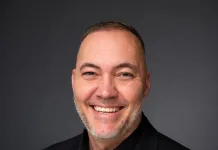
A spokesperson for Water Can, Ferrial Adam, outlined the widespread nature of the crisis. “Taps are completely running dry,” Adam stated, citing over 100 suburbs experiencing some level of water outage. She highlighted that some areas, like Claremont, have struggled with water access for as long as 13 years, and that informal settlements are severely affected.
The group’s demands include a commitment to fixing the city’s water infrastructure rather than relying on water tankers, which they labeled a “cop-out.” Adam called for full transparency on the cost of water tanker contracts and for the city’s water budget to be strictly ring-fenced. “They could have fixed the water treatment plant,” she said, referencing disputed figures of between R600 million and R777 million allegedly spent on tankers. “We want fixed systems so people can open their tap and actually get water.”
The protest saw a significant political development when Democratic Alliance (DA) Mayoral Candidate Helen Zille arrived with colleagues to join the demonstration. This move was met with public disapproval from the organizers. Adam explicitly stated that the protest was not aligned with any political party and demanded that DA members participate as “human beings and citizens of Joburg,” not under party banners.
When confronted, Helen Zille defended her presence, stating, “I’m here to join in the protest about the dry taps and the water crisis in Johannesburg. I’m here like an ordinary citizen.” She outlined the DA’s proposed solution, which involved identifying 22 “critically endangered systems” and ensuring that water tariffs are ring-fenced for infrastructure repairs. “The poor people are the ones who are suffering most,” Zille said, pushing back against accusations that the DA focuses only on suburbs.
The event also featured impassioned speeches from other community representatives. A speaker from the group “Professionals for Change,” called for a “reawakening” of citizen action, stating, “There is no messiah that is coming to save us. We the citizens of South Africa are the messiah we have been waiting for.”
Another community member from highlighted the personal impact, detailing 90 consecutive days of nightly water shedding from 8 p.m. to 6 a.m. due to known, unrepaired cracks in the Hurst Hill Reservoir.
Mayor Dada Morero was present at the council chambers and was expected to accept a memorandum of demands from the civil society groups. The protest concluded with the handover of the memorandum, with the community vowing to continue pressure until tangible improvements are seen.
The ongoing water crisis in Johannesburg continues to cripple essential services, endanger public health, and galvanize a diverse cross-section of the city’s residents into direct action.