
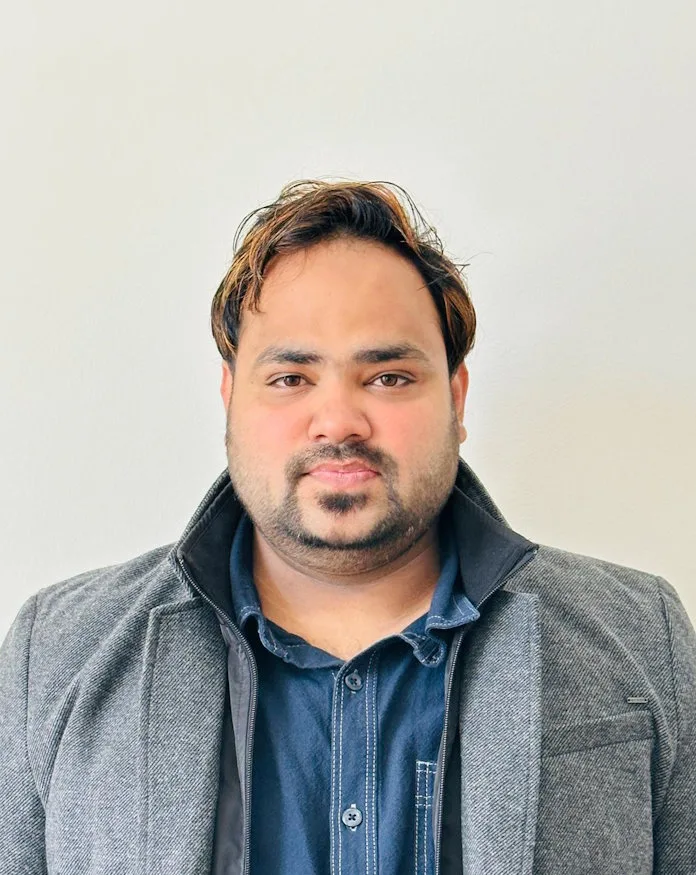
TUCSON, AZ – Shanavaz Mohammed has an interesting story. He started out helping patients at a hospital pharmacy in India. Today, he’s working with computers and data at one of the world’s biggest healthcare companies in Arizona.
How It All Started
Shanavaz grew up in India and studied to become a pharmacist. After getting his Bachelor’s degree in Pharmacy, he got a job at KIMS Hospital in Hyderabad. He worked there for over a year, giving patients their medicines and helping them understand their treatments.
Working at the hospital taught him something important. He saw how much people depend on getting the right medical information. One wrong test result or one wrong medicine could change someone’s whole life.
Moving to America and Growing
After working as a pharmacist, Shanavaz wanted to learn more. He decided to come to the United States to study. He went to Valparaiso University and got his Master’s degree in Health Administration. This taught him how hospitals and healthcare systems work.
Shanavaz is also working on his Doctorate degree at the University of the Cumberlands. He studies while managing his full-time job. To keep a balance, he takes only 3 credits each semester. He has already completed all his courses. Now, he is in the dissertation stage, which is the final step of his doctorate program.
His research is about using artificial intelligence in healthcare and drug testing. It’s a hot topic these days because AI is changing how medicine works.
His Job at Roche
In September 2019, Shanavaz started working at Roche in Tucson. Roche is a huge Swiss company that makes medicines and medical tests. Today, he’s a Lead Clinical SAS/R Programmer at Roche Tissue Diagnostics.
When a company invents a new medical test, they can’t sell it right away. They first have to give solid proof that the test is both safe and correct.
Shanavaz’s job is to look at all the information and numbers from their studies. He makes sure the test is reliable enough for doctors to use on patients in the hospital.
What He Does Every Day
Shanavaz uses computer programs called SAS and R. These are special tools that help analyze medical data. He takes information from clinical trials and organizes it in very specific ways.
Clinical trials are studies where new medicines or tests are tried out. There are different phases of these trials. Shanavaz has worked on all of them, from the very beginning stages to the final stages.
He creates something called datasets. Think of these like organized folders of information. Everything has to follow strict rules set by the FDA. The FDA is the government group that decides if a medical test or drug can be used in America.
Shanavaz and his team take all this messy data and make it neat and clear. Then they create reports that show whether a test works or not.
Working as a Team Leader
Shanavaz doesn’t work alone. He leads a team of programmers. They all work together to make sure the data is perfect.
Why does it need to be perfect? Because doctors use these tests to make big decisions. If a cancer test says someone has cancer, that person might start chemotherapy. If it says they don’t have cancer, they might not get treatment. The test has to be right.
“We’re not just working with numbers,” Shanavaz says. “Behind every number is a real person waiting to know what’s wrong with them.”
Helping with Cancer Tests
Since joining Roche, Shanavaz has worked on many cancer-related projects. Cancer is scary, and getting the right diagnosis is super important.
The projects he’s worked on have helped Roche get approval for new cancer tests. These tests help doctors figure out what kind of cancer someone has, how serious it is, and what treatment might work best.
Getting approval from the FDA isn’t easy. You need tons of proof that your test works. Shanavaz’s job is to provide that proof through data analysis. His work has helped get several new tests approved and available for patients.
Why His Story Is Special
Here’s what makes Shanavaz different from many programmers. Most people who do his kind of work studied computer science or statistics in college. But Shanavaz? He was a pharmacist first.
He actually worked with sick people. He saw their faces. He talked to families who were worried about their loved ones. That experience changed how he thinks about his current job.
When he’s looking at data on his computer, he doesn’t just see numbers. He remembers that these numbers represent real people. People who are scared. People who want answers. People who need accurate test results.
“I started by giving people their medicines at a pharmacy,” he explains. “Now I make sure the tests doctors use are reliable. It’s different work, but it’s the same goal – helping patients.”
Studying and Working at the Same Time
Doing a full-time job and getting a doctorate at the same time? That’s not easy. But Shanavaz is managing it.
He takes a few classes each semester while working at Roche. He studies at night and on weekends. It takes longer this way, but he’s learning a lot about artificial intelligence and how it can improve healthcare.
“Healthcare is always changing,” he says. “If I want to keep up, I have to keep learning.”
What Happens Behind the Scenes
Most people don’t think about this, but here’s what happens before a medical test reaches your doctor’s office.
First, scientists create the test. Then they try it out in studies with volunteers. They collect tons of data – thousands of test results, patient information, everything.
Then people like Shanavaz take all that data and analyze it. They check if the test is accurate. They look for any problems. They make sure it’s safe.
Only after all this work is done, and only after the FDA reviews everything and says okay, can doctors start using the test on regular patients.
This whole process can take years. But it’s necessary. It keeps patients safe.
Looking at the Future
Shanavaz is really interested in artificial intelligence. AI is starting to change healthcare in big ways.
Imagine if computers could look at medical test results and spot patterns that humans might miss. Or if AI could help predict which patients are at risk for certain diseases. This stuff is already starting to happen.
Shanavaz’s research is focused on this area. He wants to understand how AI can make drug testing and clinical trials better and faster.
His background is perfect for this. He understands patient care from his pharmacy days. He knows about healthcare management from his Master’s degree. And he has the technical programming skills from his current job. All of this together makes him well-suited to work on AI in healthcare.
The Journey Continues
Shanavaz’s career has taken him from Hyderabad to Arizona. From a hospital pharmacy to a high-tech lab. From giving medicines to patients to analyzing data on computers.
But through all these changes, one thing stayed the same. He wants to help people get better healthcare.
His work might not be glamorous. You won’t see it on the news. But it matters a lot. Every time a doctor uses a diagnostic test that Roche developed, there’s a good chance Shanavaz’s work helped make sure that test was accurate.
A Different Kind of Healthcare Worker
When people think of healthcare workers, they usually think of doctors and nurses. But there are so many other people working behind the scenes to keep patients safe.
People like Shanavaz, who spend their days making sure medical tests are reliable. People who analyze data to prove new treatments work. People who use their skills with computers and statistics to support medical research.
These jobs are just as important as the ones we see in hospitals. They just happen in offices and labs instead of patient rooms.
What We Can Learn
Shanavaz’s story shows us a few things.
First, you don’t have to follow a straight path in your career. He went from pharmacy to healthcare management to programming. Each step taught him something new.
Second, different experiences can make you better at what you do. His time working with patients helps him understand why his current work matters.
Third, it’s never too late to keep learning. He’s working full-time and still going to school. He’s proving that you can grow your career and your education at the same time.
Making a Real Difference
At the end of the day, Shanavaz’s job is about one thing – making sure patients can trust their medical tests.
When someone gets a scary diagnosis, they need to know it’s correct. When someone gets good news that they’re healthy, they need to trust that too. The work Shanavaz does helps make that trust possible.
He’s been doing this work at Roche since 2019. He’s helped get new cancer tests approved. He’s led teams of programmers. And he’s contributed to projects that have helped thousands of patients get accurate diagnoses.
From a pharmacy in India to this moment—it’s been nothing short of extraordinary.