


When remodeling a kitchen, one of the first things people notice—and use every day—are the cabinets. They aren’t just storage boxes on the wall. Cabinets shape your entire kitchen’s look, feel, and function.
If you’ve started your remodel research, you’ve probably heard about natural wood cabinets and oak cabinets. Both are popular. Both are beautiful. But which one is right for you?
In this post, we’ll explore the pros, cons, and key differences between these two options—so you can make a smart, stylish, and satisfying choice for your home.
What Are Natural Wood Cabinets?
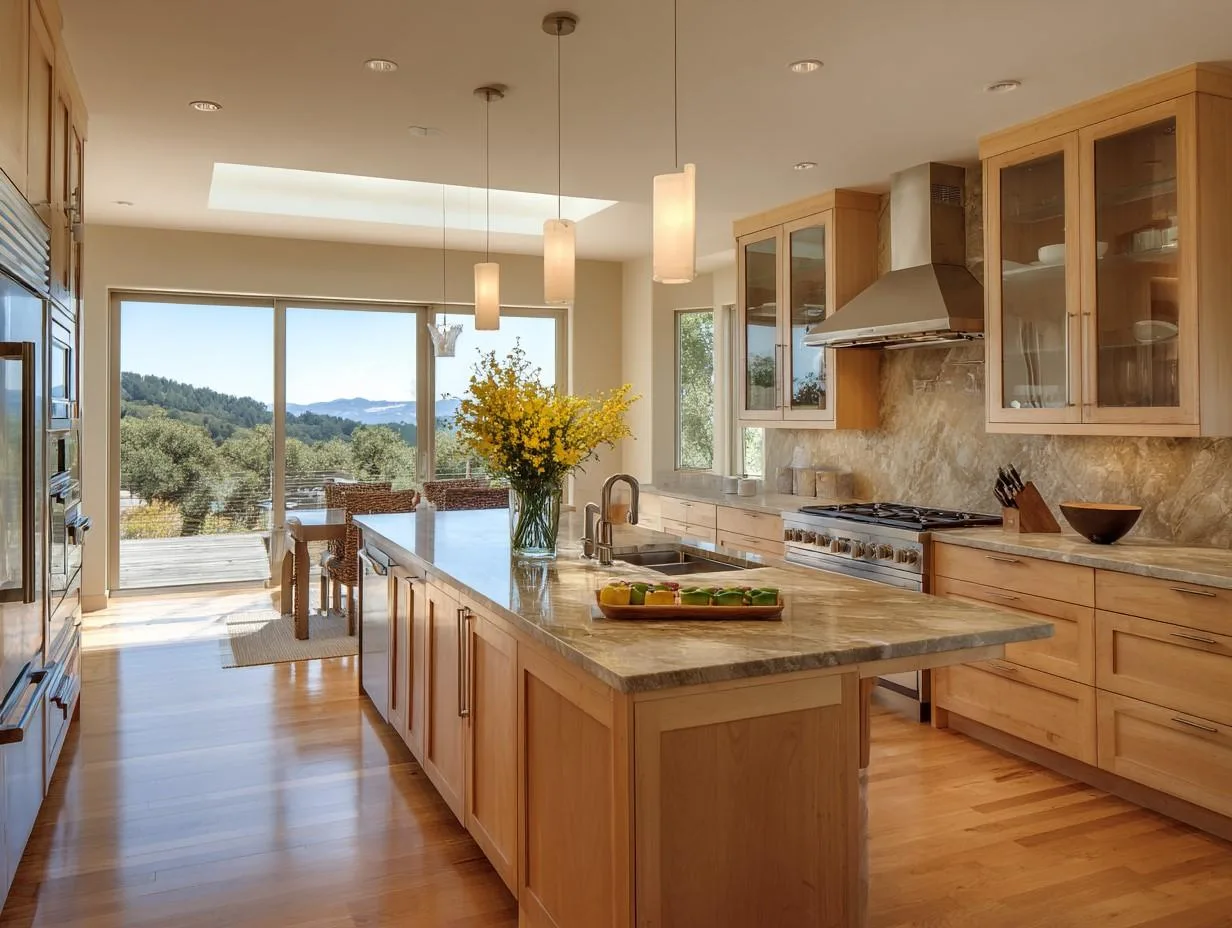
Natural wood cabinets are made from real, solid wood with a clear or light finish that shows off the natural grain. They aren’t painted over or covered in plastic. Instead, they let the beauty of the wood shine through.
Some popular types of natural wood include:
- Maple – Light color, smooth texture, and modern feel.
- Cherry – Rich red tones that darken over time.
- Walnut – Deep brown with swirling patterns, very luxurious.
- Birch – Affordable, with a fine grain.
- Hickory – Bold and rustic with lots of color variation.
- Oak – Strong, textured, and timeless.
When people say “natural wood,” they’re usually talking about the overall look—wood that feels raw, organic, and untouched by synthetic coatings.
Natural wood cabinets are perfect for people who love the imperfections and character of real materials. No two doors are the same, and that’s the charm.
What Are Oak Cabinets?
Oak cabinets are made specifically from oak wood, a hardwood known for its toughness and bold grain.
There are two main types:
- Red Oak: Has a reddish hue and a heavy grain. It’s often found in older, more traditional kitchens.
- White Oak: Lighter and smoother in appearance. It’s trendy in today’s modern rustic kitchens.
Oak is one of the most widely used cabinet materials in American homes. It’s strong, it lasts a long time, and it has a warm, earthy personality that works well in many different styles.
You can stain oak to match almost any look, but keep in mind, the grain will always be visible. That’s part of what makes oak so recognizable.
Appearance: Subtle Beauty vs. Strong Personality
Natural Wood Cabinets
Natural wood comes in many colors and grain types. If you prefer a soft, clean look, you might like maple or birch. If you love something darker and more dramatic, walnut or cherry might suit you.
This flexibility gives you the power to design a kitchen that’s truly unique.
Plus, many homeowners love how natural wood changes over time. For example, cherry gets darker and richer. Walnut may lighten in some areas. These changes create a lived-in, story-filled look.
Oak Cabinets
Oak brings texture and boldness. If you run your hand across an oak door, you can feel the grain. That grain is what gives oak its charm.
Red oak is more traditional—it pairs well with classic homes and cozy kitchens. White oak, on the other hand, is cleaner and more refined. It’s a favorite among interior designers right now.
Which One Looks Better?
That depends on your taste. If you like clean and smooth, go with natural woods like maple or cherry. If you like bold and textured, oak is hard to beat.
Durability: Which Wood Holds Up Best?
Natural Wood Cabinets
All hardwoods are strong, but their strength varies. Maple and hickory are some of the hardest natural woods, making them great for high-use kitchens. Walnut and cherry are a bit softer, but still durable enough for most families.
Natural wood cabinets can last decades, especially if they’re sealed and cleaned properly.
Oak Cabinets
Oak is one of the toughest and most damage-resistant woods available. It doesn’t dent easily. It handles moisture better than many woods. And it holds screws and hardware very well.
That’s why oak was the go-to cabinet material for decades—and why many older oak kitchens still look great today.
Which Is More Durable?
Oak has the edge when it comes to long-term durability and toughness, especially in homes with kids, pets, or heavy kitchen use.
Cost Comparison: What’s the Price Difference?
Natural Wood Cabinets
The cost of natural wood cabinets depends on the type of wood. Here’s a rough breakdown:
- Walnut/Cherry: Expensive (\$\$\$\$)
- Maple/Birch: Mid-range to affordable (\$\$–\$\$\$)
- Hickory: Mid to high range (\$\$\$)
Custom finishes, unique wood cuts, or intricate designs can also raise the price.
Oak Cabinets
Oak is generally more budget-friendly than walnut or cherry but slightly pricier than birch or pine.
Because oak is widely available and easy to work with, manufacturers can offer high-quality oak cabinets at reasonable prices.
Which Is More Affordable?
If you’re on a budget, red oak is a great choice. It’s durable, stylish, and cost-effective. If budget isn’t an issue and you want a designer look, natural walnut or cherry might be worth the investment.
Customization: Can You Get the Look You Want?
Natural Wood Cabinets
Natural wood is incredibly flexible. You can:
- Stain it light, dark, or gray.
- Add a glossy, matte, or rustic finish.
- Leave it raw for a Scandinavian look.
- Mix and match wood types for contrast.
Designers love the creative freedom natural wood offers. You can go modern, rustic, farmhouse, or minimalist—all with the same cabinet base.
Oak Cabinets
Oak stains well but has a very distinctive grain. This grain can overpower certain finishes, especially darker ones.
That said, oak looks stunning with neutral tones—like light gray, beige, or soft browns. White oak, especially, gives a calm and elegant look that feels timeless.
Which Offers More Design Options?
For maximum design flexibility, natural wood (especially maple or birch) wins. If you love the look of oak, though, you won’t need to do much—its natural grain does the talking.
Maintenance: Which Is Easier to Keep Clean?
Natural Wood Cabinets
Most natural wood cabinets need:
- Regular wiping with a damp cloth
- Occasional polishing or oiling
- Protection from direct water, grease, or heat
Some finishes may show water spots or fingerprints, especially if glossy.
However, if cared for properly, natural wood can look better with age.
Oak Cabinets
Oak is low maintenance. The grain hides smudges, minor scratches, and fingerprints. If you don’t want to be wiping your cabinets every day, oak might be your best friend.
Also, oak is less likely to warp or swell when exposed to humidity.
Which Is Easier?
Oak wins this round. It hides wear better and stands up to kitchen chaos like a champ.
Best Styles and Design Matches
Natural Wood Cabinets
Because of the wide range of wood types, natural cabinets work in almost every kitchen style:
- Modern: Sleek walnut or maple with minimal hardware
- Scandinavian: Birch or light pine with matte finishes
- Rustic: Hickory with visible knots and natural oil
- Transitional: Cherry or mixed woods with soft contrast
Oak Cabinets
Oak fits beautifully into:
- Farmhouse kitchens with warm, cozy vibes
- Traditional homes with detailed cabinet doors
- Modern rustic spaces using white oak and black hardware
- Japandi or minimalist interiors using clean white oak lines
Which Matches More Styles?
If you want full control and variety, natural wood gives you that freedom. If you’re going for a warm, lived-in, timeless kitchen, oak is a perfect fit.
Sustainability: Which Is More Eco-Friendly?
Natural Wood Cabinets
Natural wood can be sustainable if sourced responsibly. Look for:
- FSC-certified lumber
- Reclaimed wood options
- Local or regional suppliers
Choosing long-lasting cabinets also reduces waste over time.
Oak Cabinets
Oak grows fairly quickly for a hardwood and is widely harvested in North America. This makes oak a renewable and sustainable option when responsibly sourced.
Oak’s longevity also means you won’t need to replace your cabinets anytime soon—saving trees and money.
Which Is Greener?
Both can be eco-friendly, but oak may have a slight edge due to its renewability and durability.
Pros and Cons Summary
| Feature | Natural Wood | Oak |
| Variety | Wide range of colors and grains | More limited, but distinct grain |
| Durability | Varies by wood type | Extremely durable |
| Price | Depends on wood | Mid-range, affordable |
| Finish Options | Endless possibilities | Best with light or neutral stains |
| Maintenance | Needs regular care | Low maintenance |
| Style Range | Modern to rustic | Best for warm, traditional, or rustic |
| Eco-Friendliness | Good with FSC wood | Excellent renewability |
Final Thoughts: So, Which One Is Best for You?
Here’s a quick cheat sheet:
- Choose natural wood cabinets if you:
- Want a unique, custom look
- Love softer or modern styles
- Don’t mind a bit of maintenance
- Choose oak cabinets if you:
- Want durable, easy-care cabinets
- Prefer rustic, warm, or traditional styles
- Want something beautiful and budget-friendly
At the end of the day, it comes down to your lifestyle and your vision. Your kitchen should be a place that feels like you, so choose the material that fits your needs and brings your dream kitchen to life.
Pro Tip Before You Buy
Visit a cabinet showroom or order sample doors. Look at them in your kitchen’s lighting. Touch them. See how they feel in person. Sometimes, the decision becomes crystal clear when you compare side by side.
Cabinets are more than just wood—they’re the heart of your kitchen. Make your choice with confidence.