



Telecom fraud is costing South Africa an estimated R5.3 billion annually, with SIM swap attacks contributing, amongst others, for 60% of mobile banking breaches. In the face of these escalating losses, the Communication Risk Information Centre (COMRiC) has released its 2025 Sector Report, a landmark publication that paints a detailed picture of the mounting risks, measurable industry progress, and the urgent national action now required.
The report marks a significant moment in COMRiC’s five-year journey as the leading industry body focused on crime and risk intelligence in the telecom sector. It highlights a surge in criminal activity targeting both digital systems and physical infrastructure, with cyberattacks increasing by 126% globally and fraud in South African telecom-linked transactions rising by 78% from 2022 to 2023. Infrastructure sabotage particularly the theft of copper cables and lithium batteries continues to inflict billions in economic damage, destabilising network uptime, emergency services, and national connectivity.
Despite the deepening complexity of these threats, the report also reflects growing resilience across the sector. Between March 2024 and February 2025, COMRiC observed a measurable decline in reported fraud cases, driven by the adoption of biometric SIM registration, AI-powered fraud detection, and real-time network monitoring. Mobile operators have also strengthened defences through participation in the GSMA Open Gateway initiative, enabling the use of secure APIs to combat subscription fraud and digital identity theft.
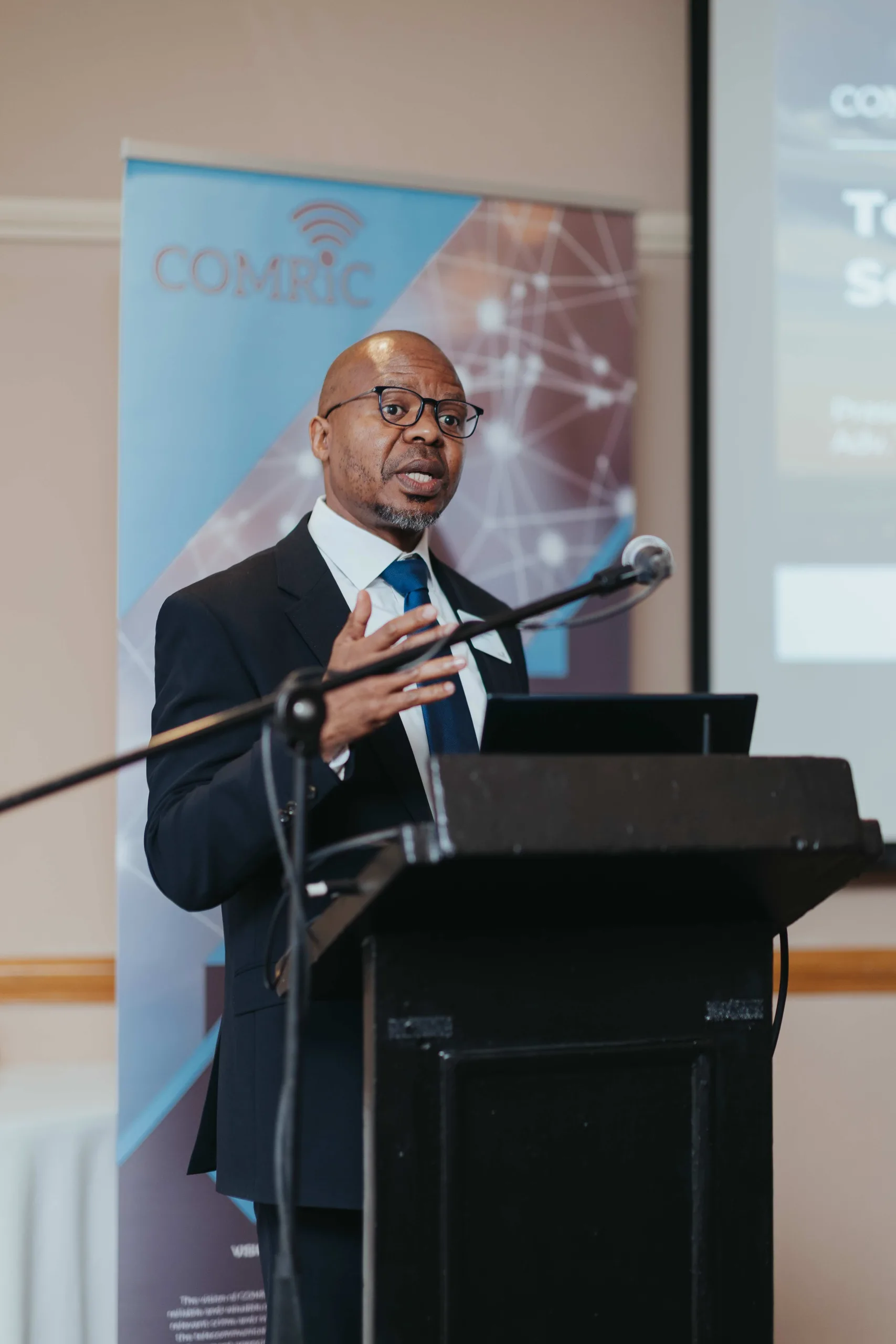
COMRiC CEO Adv. Thokozani Mvelase says the findings underscore both the urgency of the challenge and the momentum behind solutions. “The 2025 report shows that while the threat landscape is escalating, so too is the sector’s capacity to respond. South Africa must now move beyond reactive measures and build a resilient, collaborative defence framework that spans public and private sectors.”
The report calls for the immediate implementation of a National Cybersecurity Resilience Plan that mirrors the structured response already underway in the financial services sector.
It also recommends the formal establishment of a sector-wide Computer Security Incident Response Team (CSIRT) to facilitate intelligence sharing, coordinated responses, and early threat detection. COMRiC further urges the enforcement of biometric RICA compliance and a regulatory crackdown on pre-RICA’d SIM cards, which are currently linked to over 60% of telecom-related extortion cases.
Looking abroad, the report cites successful anti-fraud strategies implemented in countries like Ghana, Tanzania, and Uzbekistan, where SIM box fraud has dropped by as much as 80% due to real-time traffic monitoring systems, stricter registration laws, and regulatory collaboration. South Africa, the report warns, must match this level of urgency and innovation to protect its digital infrastructure and national security.
As COMRiC enters its sixth year, its role as a convenor, watchdog, and strategic partner in telecom resilience is more vital than ever. With stronger collaboration, improved compliance, and public education, the sector has a real opportunity to turn the tide and to protect the networks that power South Africa’s digital economy.