
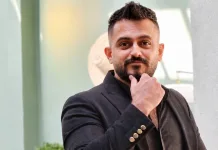


African National Congress (ANC) National Executive Committee (NEC) member Senzo Mchunu has broken his silence after being placed on special leave, denying allegations of interfering in police matters and instead claiming he was exposing wrongdoing.
Mchunu made his first public appearance since his leave began during an ANC event in KwaZulu-Natal (KZN) on Nelson Mandela Day (July 18). Addressing supporters, he insisted that his actions were aimed at uncovering misconduct rather than influencing police operations.
“The ANC appointed black generals in the police. They must not trample on that opportunity which was presented by the ANC,” Mchunu declared, sparking debate over whether his remarks constituted a veiled warning to senior police officials.
Political Implications Analyzed
Political analyst Professor Dirk Kotze weighed in on the controversy, highlighting the delicate position the ANC finds itself in. While Mchunu remains on special leave from his ministerial duties—a move Kotze described as “very exceptional and close to being found guilty”—he continues to participate in ANC activities.
Kotze noted that from a party perspective, Mchunu remains a full-fledged ANC member since he has not been formally disciplined or asked to “step aside.” However, the optics of his continued political engagement raise concerns about the message it sends to the public, particularly amid ongoing corruption allegations plaguing the ANC.
A “Boiling Pot” in KZN
The situation is further complicated by KZN’s volatile political landscape, where many implicated in recent investigations—including Mchunu and suspended National Police Commissioner General Fannie Masemola—hail from the province. Kotze suggested that Mchunu’s comments hint at deeper internal conflicts and potential further revelations in ongoing probes.
“By saying black generals must not trample on opportunities, he is implying that more senior officials could be implicated,” Kotze explained. “This suggests the investigation may widen, affecting high-ranking figures.”
ANC’s Image Crisis Deepens
The controversy adds to the ANC’s growing reputational challenges. With President Cyril Ramaphosa himself acknowledging the party’s struggles with corruption, Mchunu’s defiance underscores internal divisions. Kotze warned that factional infighting in KZN—already reeling from dismal electoral performance—could further weaken the ANC’s standing.
Zuma’s Diplomatic Controversy Resurfaces
In a related development, former President Jacob Zuma, now leader of the MK Party, stirred controversy by meeting Morocco’s foreign minister—a move criticized by the ANC due to strained South Africa-Morocco relations over Western Sahara. The presence of a South African flag at the meeting raised questions over whether Zuma presented himself as an official representative, though Kotze clarified that no laws were broken.
What Next?
As Mchunu’s case unfolds, the ANC faces mounting pressure to address internal governance and public trust. Meanwhile, Zuma’s diplomatic maneuvers continue to test party unity. With both issues highlighting deep fractures within the ruling party, analysts warn that failure to resolve these disputes could further erode its credibility ahead of the 2026 elections.