
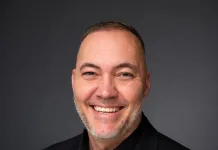

African Transformation Movement (ATM) parliamentary leader Vuyo Zungula has sharply criticized President Cyril Ramaphosa’s decision to place Police Minister Senzo Mchunu on leave amid corruption allegations, calling the move a politically motivated delay tactic rather than a commitment to accountability.
Zungula’s remarks followed the president’s address regarding allegations that Mchunu misled Parliament about his knowledge of a controversial operational decision—a violation of Section 127 of the Constitution, which bars ministers from interfering in police operations.
“Leave of Absence Makes No Sense”
Speaking to journalists, Zungula lambasted the decision to grant Mchunu a leave of absence instead of firing him outright.
“It does not make any form of sense. Why is he given a leave of absence? Will he still continue enjoying his benefits and salary as a minister?” Zungula questioned. He argued that Mchunu’s admission of misleading Parliament was already a clear breach of ethics, warranting immediate dismissal.
“The president is afraid of taking a decision that will make him lose a political ally,” Zungula said. “Instead of affirming the rule of law and improving the integrity of the police system, he is protecting himself politically.”
Skepticism Over Yet Another Inquiry
The ATM leader also expressed deep skepticism about the newly announced commission of inquiry into the matter, which could take up to a year to conclude. He echoed public frustration over South Africa’s history of costly, ineffective investigations.
“South Africans are exhausted with commissions of inquiry, particularly because they appear to be manipulated towards certain outcomes,” Zungula said. He cited the State Capture Commission as an example, where “billions were spent, yet not even one person has been arrested.”
He accused the president of using inquiries as a “talk shop” to create the illusion of action while shielding allies. “Implicated individuals remain in Parliament and the executive, and the president is happy to serve with them,” he said.
Parliamentary Oversight as an Alternative
Despite his lack of faith in the inquiry, Zungula said the ATM would continue pushing for accountability through Parliament, where multiple parties can scrutinize the issue.
“When General [Fannie] Masemola, General [Sitole], and others are summoned, it will give people confidence that something is being done,” he said.
Conclusion: A Test of Leadership
Zungula’s remarks underscore growing impatience with Ramaphosa’s handling of corruption within his administration. Critics argue that the president’s reliance on lengthy inquiries—rather than decisive action—erodes public trust.
As the Mchunu scandal unfolds, pressure will mount on Ramaphosa to prove whether his administration prioritizes justice or political survival.