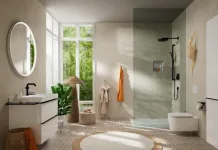




Luxury in 2025 is all about how a home supports your everyday life. Clean air. Quiet rooms to focus. Smart features that save time without getting in the way.
Buyers want more than looks — they want comfort that works, technology that blends in, and spaces that help them feel better, think clearer, and live easier.
Here are five features that are quickly becoming the new standard in high-end real estate.
1. Smooth Indoor-Outdoor Living
In 2025, one of the clearest signs of luxury is how well a home blends the indoors with the outdoors. Floor-to-ceiling glass doors, shaded terraces, outdoor kitchens, and lanais with ocean or mountain views are no longer bonuses — they’re expected. Buyers want spaces that feel open, connected to nature, and calm without compromising comfort or privacy.
This is especially true in places like Maui, Malibu, and Miami, where the climate invites outdoor living year-round. But even in colder regions, high-end homes now include covered decks with heaters, all-season sunrooms, or private courtyards that allow fresh air and natural light to flow in.
Robbie Dein, Owner of Maui Real Estate Advisors, explains this shift well. “Luxury real estate in 2025 is no longer just about square footage or high-end finishes; it’s about lifestyle integration. At Maui Real Estate Advisors, we’re seeing a clear demand shift toward wellness-oriented amenities like cold plunge pools, infrared saunas, and private meditation spaces. Tech-forward smart home systems are now expected, not exceptional. But what truly defines luxury today is seamless indoor-outdoor living. In coastal markets like Maui, buyers prioritize ocean-view lanais, outdoor kitchens, and lush tropical landscaping that elevates both privacy and harmony with nature. These amenities don’t just sell the home, they support a daily experience.”
That last line says a lot. People don’t want to wait for a vacation to feel relaxed. They want to walk outside, sit by a fire pit, or do yoga on their deck every morning.
Design is changing to support that. Covered terraces that feel like living rooms. Outdoor showers tucked behind privacy walls. Paths that connect indoor spas to gardens or plunge pools. In many homes, the outdoor space is now just as thought-out as the interior.
It also ties into wellness. Fresh air, natural light, and quiet outdoor corners give people a place to recharge. Add in saltwater pools, tropical landscaping, and privacy screens, and it becomes more than a backyard — it’s a retreat.
Buyers in places like Maui, Austin, or Palm Springs aren’t just paying for space — they’re paying for a feeling. A space that makes them feel good every day, without having to leave home. That’s what indoor-outdoor living is bringing to the table in 2025.
2. Smart Home Ecosystems That Just Work
Smart homes aren’t a luxury anymore — they’re a baseline. But in today’s high-end market, it’s not just about owning smart devices. It’s about how well everything works together, without effort.
By 2025, buyers expect a fully connected ecosystem. Lights dim automatically when it’s movie night. The AC knows when you’re heading home and adjusts the temperature. Fridges send alerts when groceries run low. Everything just… works — quietly, in the background.
Juan Munoz, CEO of We Buy Houses Cash In Florida, sees it firsthand. He explains, “When buyers walk through a luxury home now, they’re not impressed by a smart thermostat or voice assistant. They want to feel how the tech supports their lifestyle without getting in the way. If it’s clunky or too complicated, it actually lowers the appeal.”
That’s why simplicity matters. People don’t want five remotes or a dozen apps to manage their home. They want one smooth experience — voice control that works instantly, facial recognition at the front door, smart locks that feel invisible but keep them secure.
The smartest homes in 2025 also adapt. If you tend to go to bed at 11, the system starts dimming lights around 10:30. If you leave a window open before a rainstorm, it sends a nudge. Over time, it learns and responds.
And importantly, it looks good doing it. Flush wall panels, hidden sensors, no messy wires or obvious tech. In modern luxury, form and function go hand in hand.
3. Wellness Rooms and Health-Centered Features
According to Thomas Eriksen, Co-Founder and CEO of Forsikringssiden.no, “Health is wealth — and luxury homes in 2025 take that literally. It’s no longer just about having a home gym. Buyers now want full wellness zones: cryotherapy chambers, cold plunges, infrared saunas, salt therapy walls, and meditation corners built right into the blueprint.”
These aren’t afterthoughts — they’re foundational. Home designs now center around spaces that support physical and mental well-being. Clean lines, natural textures, soft lighting, and scent-free air all play a role in creating an atmosphere where people can recharge without ever leaving the house.
Sleep-focused features are trending too. Bedrooms with circadian lighting, blackout systems, and full acoustic treatment help promote deep rest. Air purification, advanced water filtration, and toxin-free building materials are becoming non-negotiables for wellness-focused buyers.
According to Alfred Christ, Digital Marketing Manager at Robotime, “People are craving environments that support creativity, calm, and clarity. Whether it’s building a miniature world or designing a wellness room at home, the goal is the same — to create a space where the mind can breathe and the body can reset.”
Mental wellness is also shaping architecture. Quiet rooms designed specifically for screen-free downtime are rising in demand. These aren’t just empty spaces — they’re intentionally built for mindfulness, journaling, or simply disconnecting from digital chaos.
This shift spans all age groups. Millennials want smart recovery spaces with connected fitness tools. Boomers want hydrotherapy and massage rooms tailored to their needs. Across the board, wellness is no longer an add-on — it’s a priority baked into the very structure of luxury homes.
4. Personalized Entertainment Spaces That Go Beyond a TV Room
Entertainment rooms used to mean a flat-screen, a leather couch, and maybe a minibar. That doesn’t cut it anymore. In luxury homes today, entertainment is a full experience — custom-built, immersive, and completely personal.
Some homeowners are building out full private cinemas with motion chairs, 4K projectors, and theater-grade sound. Others are creating arcade lounges, poker rooms, or golf simulator zones. And for those chasing next-level experiences, VR spaces are quietly becoming the new must-have — used for travel, interactive fitness, or immersive art.
What’s changed is how intentional these rooms feel. They’re no longer hidden away or treated as an afterthought. High-end materials, mood lighting, and architectural design bring the same attention to detail you’d expect in a gallery or penthouse living room.
Dakota Morse, Director of Product Development at Medifyair, mentions, “Clean air is part of the luxury now. These rooms are often where people spend hours at a time — and comfort goes beyond the tech or furniture.”
Privacy is another key driver. People want spaces where they can host, unwind, or just escape — without leaving home, standing in line, or dealing with outside noise. Whether it’s a private karaoke room, a family gaming zone, or a guided meditation screen room, the goal is total comfort on your terms.
It also reflects a shift in lifestyle. Many luxury buyers are founders, creators, or professionals who work from home and want their space to recharge, inspire, and entertain — all without ever needing to step outside.
5. Sustainable Design That’s Built to Last
Eco-friendly design isn’t a bonus anymore — it’s the baseline for modern luxury. But this goes far beyond LED lights or rooftop panels. Today’s buyers expect sustainability to be woven into every part of the home — from how it’s built to how it performs decades down the line.
That means reclaimed wood floors, net-zero energy walls, green roofs that reduce heat, and smart water systems like rainwater harvesting and greywater recycling. In many cases, homes now come with solar-powered battery storage, built-in EV charging stations, and passive climate design that cuts the need for artificial cooling.
And with platforms like Home Equity Mart making it easier for luxury homeowners to understand the long-term value of sustainable investments, features like solar arrays and thermal insulation are no longer seen as fringe upgrades — they’re now key drivers of future equity and appeal.
But here’s the key — none of it should look like sustainability. The goal is subtlety. Triple-glazed windows might filter heat and UV rays, but to the homeowner, they should simply feel like clean daylight and comfort. Green features are expected to feel seamless — not like lab experiments bolted onto the architecture.
“There’s a growing desire for sustainability that doesn’t sacrifice design,” says Tim Beighley, Sales Manager at DaklaPack US. “People want to know their choices are responsible — but they still expect refinement, durability, and aesthetics. Sustainability and luxury aren’t opposites anymore — they go hand in hand.”
That mindset extends outdoors too. Low-water gardens in dry climates, native plant landscaping in humid zones — all designed to be beautiful and low maintenance.
This shift is deeply personal. Luxury buyers care about longevity, health, and leaving a lighter mark. They want homes that still feel ahead of the curve ten years from now — both in how they perform and what they represent.
Wrap Up
Luxury real estate in 2025 means having a home that fits your life. Buyers now look for comfort, smart systems, fresh air, and peaceful spaces to rest or work. Things like open-air layouts, wellness areas, and eco-friendly design aren’t extras anymore — they’re expected.
If you’re thinking of buying, building, or selling a high-end home, these five features matter more than ever. They don’t just raise the price — they make everyday life easier, healthier, and more enjoyable. That’s the kind of value people are really looking for now.