
South Africa is at a crossroads. While the achievements of the matric class of 2024 should fill us with pride, they have exposed glaring systemic flaws in our education system. Last week, an image published by News24 made the rounds on social media, illustrating the staggering reality of university applications for the class of 2024. The image revealed that the University of Johannesburg (UJ) alone received 693 990 applications for just 10 500 available spaces. Across the country, the picture is equally dire. A total of 337 158 matriculants qualified for Bachelor studies this year, yet universities collectively have space for only a fraction of them. While the progress of our Grade 12 students should inspire pride, it also brings to light critical flaws in our higher education system.
This issue is not new. In 2023, a significant number of students were left without placement after their matric results. Where are they now? What long-term measures were put in place to ensure that such a scenario would not be repeated? The truth is, we have merely shifted last year’s unresolved crisis to this year. This is not a problem that can be remedied with stopgap solutions; it demands a structural overhaul.
When I matriculated in 2009, the Eastern Cape celebrated a pass rate of just 51%, while the national average hovered at 60%. Today, we boast a record-breaking 87.3% national matric pass rate. This progress reflects the tireless efforts of the Department of Basic Education. However, it raises the uncomfortable question, where has the Department of Higher Education been during this time? Despite years of promises, we have not seen the establishment of new universities or the expansion of existing ones to meet the growing demand other than the University of Mpumalanga.
A System Stretched to Breaking Point
This failure to expand higher education infrastructure is pushing universities into an elitist corner. With limited spaces, institutions are increasingly admitting only top-performing students, those with averages in the 90% range or higher. The result is an exclusionary system that marginalises capable students with lower, but still commendable grades. Universities, once beacons of diversity, now risk becoming breeding grounds for socioeconomic divides.
Moreover, this crisis has significant implications for society at large. Education is not just about academic excellence; it is about preparing a workforce that is as diverse as it is skilled. When access to higher education is restricted, it creates a ripple effect, reinforcing historical inequalities and undermining the very fabric of an inclusive, progressive society.
The Utilisation of TVET Colleges
The issue with TVET colleges in South Africa is not underutilisation but rather a deep-seated public perception problem. These institutions are often dismissed as less credible or viable compared to universities, despite their potential to play a critical role in addressing the current higher education crisis. South Africa boasts approximately 50 TVET colleges, which, if strategically positioned and better supported, could significantly alleviate the pressure on universities. Unfortunately, the lack of substantial revamps in their offerings, infrastructure, and marketing over the past 15 years has left them unable to shift this negative perception.
The lack of long-term planning in the Department of Higher Education is evident. Instead of equipping TVET colleges with the resources and modern curricula needed to attract students, the focus has remained narrowly on universities. As a result, students and parents continue to view universities as the ultimate gateway to success.
A Fractured Workforce and Unfulfilled Potential
The long-term consequences of this imbalance are deeply concerning. We risk creating a generation of workers who are disengaged and misaligned with their chosen fields, simply because they had to settle for available spaces rather than pursue their passions. This misalignment will inevitably affect productivity, job satisfaction, and economic growth.
Worse still, the exclusivity of university admissions will perpetuate an “us versus them” mentality. The very institutions meant to empower young South Africans could instead contribute to a divided society, one where opportunities are dictated by privilege rather than potential.
The matric class of 2024 has shown us what is possible when the basic education system rises to the occasion, but the higher education system has failed to keep pace. We need immediate interventions to expand access to higher learning, alongside long-term reforms to create a balanced and inclusive education ecosystem.
Without decisive action, we risk not only failing this year’s matriculants but also jeopardising the future of South Africa’s workforce. The time for transformative leadership is now, because every year we delay, the dreams and potential of thousands of young South Africans are left unrealised.
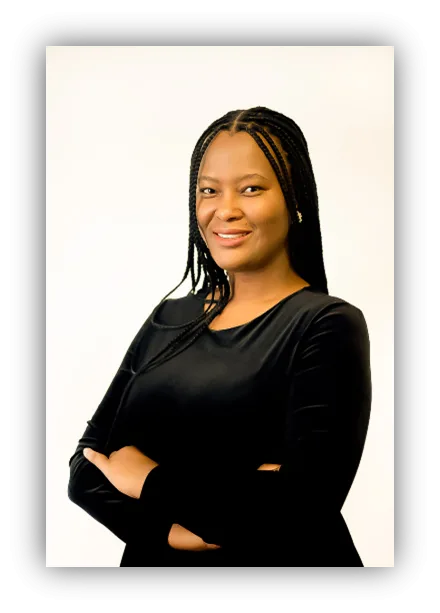
About the Author: Unathi Bonga based in Johannesburg is an experienced opinion writer with a combined experience of 12 years in publishing, public relations, education and as a blog writing enthusiast.