



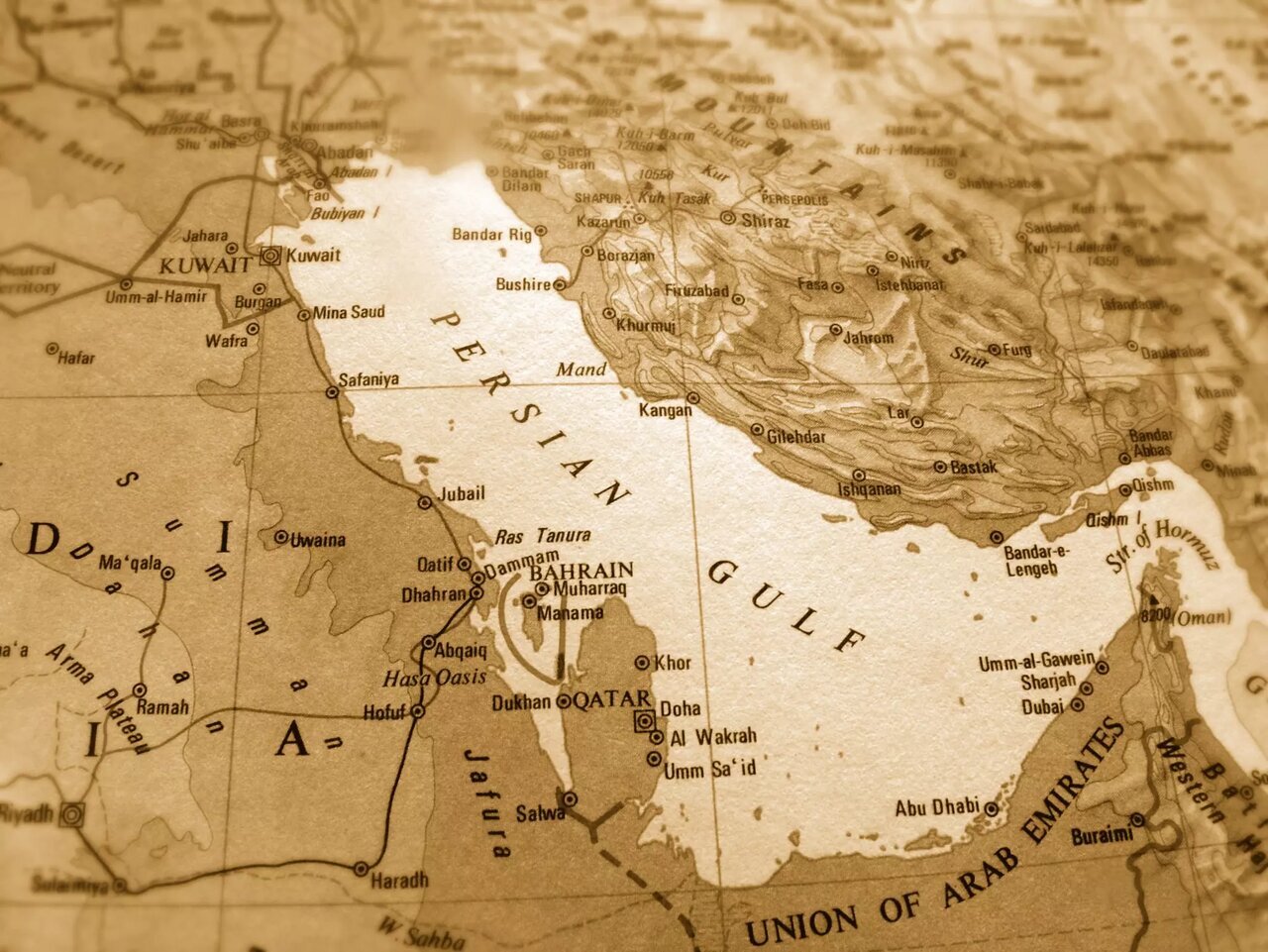
The Persian Gulf, long regarded as the beating heart of global energy politics, is once again teetering on the edge of crisis. With nearly 20% of the world’s traded oil passing through the narrow Strait of Hormuz, any escalation here carries the potential to shake global markets, disrupt critical supply chains, and ripple through economies far from West Asia.
For countries across the Global South—many still grappling with the aftershocks of the COVID-19 pandemic, soaring inflation, and mounting debt—another conflict in the Persian Gulf would be a severe blow. These nations depend heavily on energy imports, industrial inputs, and food supplies, much of which flows through or is affected by this region. The specter of conflict not only threatens their economic recovery but could further deepen existing inequalities between North and South.
At a time when multilateralism is under strain, and traditional global institutions have lost credibility, the situation in the Persian Gulf reflects a broader crisis of global governance.
The buildup of military presence—particularly by the U.S. and its allies—has contributed to a fragile and tense security atmosphere. Officially framed as deterrence, this militarization paradoxically raises the chances of miscalculation or unintended clashes. Recent naval incidents, drone interceptions, and tit-for-tat operations have shown how close the region is to a full-blown confrontation.
In this context, the interests and agency of regional actors are often overshadowed by larger geopolitical games. Iran, Saudi Arabia, the UAE, and smaller Persian Gulf states are caught in a dynamic shaped by the rivalries of global powers. While some of these countries pursue de-escalation strategies—such as the China-brokered rapprochement between Tehran and Riyadh—others remain entangled in arms deals and strategic alliances that sustain instability.
But the consequences of these tensions go beyond state-to-state diplomacy. The threat of conflict puts immense pressure on ordinary people: from the fear of fuel price shocks in import-dependent economies, to increased food insecurity, to the loss of jobs tied to regional trade and transport.
Countries in Africa, Latin America, and South Asia—often left out of high-level negotiations—end up bearing disproportionate burdens. Yet their voices are rarely heard in discussions around energy security or crisis prevention in West Asia.
What is needed is a shift in perspective: a recognition that global peace and economic stability are interlinked. De-escalation in the Persian Gulf is not just a regional concern—it is a global imperative. Diplomatic mechanisms, regional dialogue forums, and inclusive international engagement must replace militarized strategies.
In sum, the Persian Gulf stands as a litmus test for the international community’s ability to prioritize collective security over competition. For the Global South, watching from the sidelines is no longer an option. Their futures are too deeply intertwined with the fate of this narrow but vital waterway.
By Fatemeh Kavand, a political thought graduate and analyst specializing in international relations and West Asian affairs. Her work focuses on regional geopolitics and the evolving dynamics of global power.