




In an increasingly digital and virtual world, technology is no longer just a tool to help us work and live. It is beginning to touch our deepest emotional needs. Imagine having a virtual friend who you can chat with anytime, who understands you, listens to you, and even offers advice when you need it most. This isn’t science fiction—it’s becoming a reality. AI characters are rapidly emerging as a new form of social interaction, quietly transforming how we perceive the concept of “friendship.”
AI Characters: New Companions in the Virtual World
On traditional social media platforms, we keep in touch with friends and family, sharing bits of our lives. But as AI technology continues to evolve, some platforms are now offering users a more personalized social experience by creating and interacting with virtual characters. These AI characters are not only capable of understanding language, but can also respond based on a user’s mood and needs. What’s more, they can be designed with unique personalities, backstories, and preferences, tailored to fit each user.
Recently, a platform called Flipped.chat has emerged, allowing users to easily create and interact with their own AI characters. Unlike traditional voice assistants or chatbots, Flipped.chat gives users more freedom, allowing them to customize the personality, tone, and even life experiences of their virtual friends. This simple concept is fundamentally reshaping the way we relate to AI characters.
The Allure of Virtual Friends: Companionship and Conversation
“We all experience moments of loneliness, especially in the fast-paced urban life,” says Jessica (pseudonym), a young professional. “I created a gentle, music-loving virtual friend on Flipped.chat. It’s not only great for chatting about work but also about movies and bands I like. It feels like finding a true companion.”
With the increasing pace of life and the pressure of social interactions, many people are seeking emotional companionship that isn’t bound by the limitations of the physical world. Virtual characters are filling this gap. With just a few typed words, users can engage in comforting conversations, receive advice, or simply enjoy a pleasant chat. Unlike traditional social interactions, AI characters offer a zero-pressure, non-judgmental form of companionship, especially for those who may struggle with feelings of loneliness or social anxiety.
The Technology Behind AI Characters: Deep Learning and Personalized Interaction
While AI characters may seem like simple conversation partners, the technology behind them is highly sophisticated. Flipped.chat uses advanced natural language processing and deep learning algorithms to accurately understand users’ intentions and emotions, adjusting the responses of the characters accordingly. Through continuous interaction and learning, these AI characters become increasingly “smart,” providing more precise emotional support and engagement.
This technology is not just designed for making conversations more engaging; it opens up new possibilities for creativity and exploration. Creators can design their own virtual characters, building unique story worlds. These characters aren’t static “scripted figures”—they evolve with each interaction, growing into dynamic, interactive story companions.
From Creators to Everyday Users: The Expanding Use of AI Characters
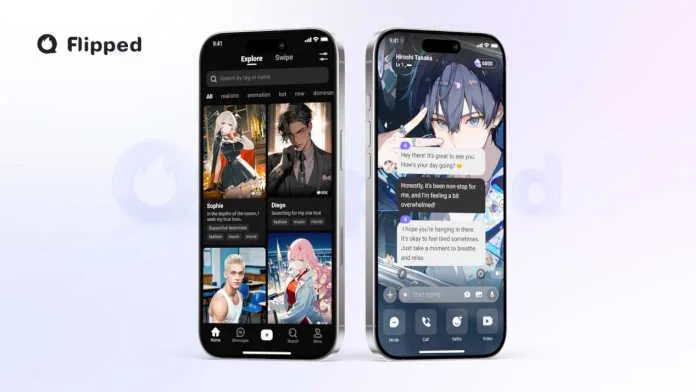
It’s not just regular users who are benefiting from AI characters. Increasingly, creators, writers, and content producers are using AI characters to enrich their projects. These characters can serve as testing grounds for dialogue and scene development, acting as co-creators that offer inspiration and suggestions for character development and plot direction.
“I’ve been experimenting with creating different personalities on Flipped.chat to see how they react in various situations,” says Michael (pseudonym), a screenwriter. “Interacting with these AI characters not only helps me better understand a character’s motivations, but it also allows me to quickly adjust the tone and dialogue of my script.”
This cross-disciplinary integration is making AI characters more than just a tool for personal entertainment or emotional support—they’re proving to be valuable in fields like creative writing, education, and mental health.
AI Characters: A Key Component of Future Socializing
As AI technology continues to progress, virtual characters are poised to become more than just a form of entertainment—they’ll likely become a central part of future social interactions and digital identity management. In the future, more people may choose to engage deeply with virtual characters, moving beyond their relationships with real-life friends and colleagues. These AI companions will not only provide emotional support but may also play roles in decision-making related to work, study, and even personal life.
“Social interactions of the future will be more diverse and personalized,” says a tech industry expert. “Virtual characters will not only offer immediate companionship but also engage in more complex, in-depth interactions tailored to the user’s needs.”
Conclusion: AI Companionship as the New Normal
As virtual characters continue to be widely adopted across various domains, AI companionship is becoming the new normal for many people. From virtual friends to creative collaborators, the versatility of AI characters is redefining how we understand “friendship” and “socializing.” With the rapid pace of technological development, it’s likely that virtual characters will soon become an integral part of everyday life, helping us interact with the world in entirely new ways.
And with platforms like Flipped.chat continuing to innovate, the relationship between humans and AI characters will only grow closer and more profound, creating a new form of digital emotional connection.