The world is entering a new era of contactless technology. From mobile wallets to scannable codes, the demand for seamless, secure, and hygienic solutions has grown rapidly. This transformation accelerated during the COVID-19 pandemic, when minimizing touchpoints became essential. Today, contactless solutions are no longer a luxury—they are an expectation in nearly every industry.
The Power of QR Codes
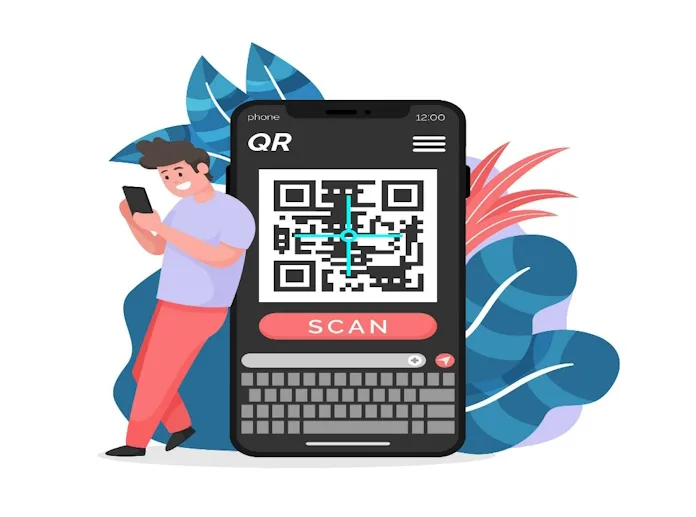
One of the most important tools driving this revolution is the QR code. Originally developed in Japan in the 1990s for tracking automotive parts, QR codes have become a global standard for connecting the offline and online worlds. By scanning a code, users can access websites, make payments, download apps, or view promotions instantly.
Businesses love QR codes because they are cost-effective, versatile, and easy to deploy. Restaurants use them for digital menus, airlines use them for boarding passes, and marketers use them to bridge physical ads with digital content. For individuals, QR codes provide a fast way to get information without manually typing URLs or searching online.
To make the scanning process even more accessible, platforms like QR code reader online allow users to scan codes without downloading any additional apps. This accessibility ensures that anyone with an internet connection can interact with QR codes easily and securely.
Beyond QR Codes: Other Contactless Innovations
While QR codes are widely recognized, they are just one piece of the contactless puzzle. Other technologies are also transforming our daily experiences:
- NFC (Near Field Communication): Popular in tap-to-pay systems and mobile wallets like Apple Pay and Google Wallet.
- Biometric Authentication: Facial recognition and fingerprint scans provide secure, password-free access to devices and apps.
- Contactless IDs and Tickets: Schools, hospitals, and airports are adopting digital identification and ticketing systems to enhance convenience.
These innovations share a common goal: reducing friction in everyday interactions.
Contactless Technology in Everyday Life
- Education: Schools and universities use QR codes for attendance tracking, e-learning resources, and campus security.
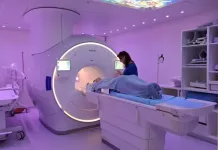
- Healthcare: Hospitals implement digital patient registration and telemedicine platforms to minimize paperwork and streamline care.
- Retail and Restaurants: Stores and eateries rely on contactless payments and QR code menus for safer, faster service.
- Transportation: Airlines and public transit systems offer QR-based tickets, allowing travelers to board with a simple scan.
The Importance of Security
The rise of contactless technology also comes with risks. Cybercriminals often exploit QR codes through phishing attacks, redirecting users to malicious sites. Similarly, NFC-based fraud can compromise payments. This highlights the importance of cybersecurity measures such as secure QR code platforms, encryption, and awareness campaigns.
Users should always verify the source of a QR code before scanning it. Businesses, on the other hand, must prioritize trusted platforms to ensure their customers can interact safely.
The Future of Contactless Technology
The next generation of contactless solutions will integrate advanced technologies like artificial intelligence (AI) and blockchain. AI can personalize user experiences by analyzing behavior and preferences, while blockchain can ensure security and transparency in digital transactions.
We can also expect augmented reality (AR) to play a role. Imagine scanning a QR code on a product and instantly seeing a 3D model, tutorial, or immersive advertisement. Combined with contactless payments, AR could redefine how businesses engage with consumers.
Conclusion
Contactless technology is no longer optional—it’s essential. From healthcare to retail, it improves safety, speed, and convenience. As innovations like AI and blockchain strengthen this ecosystem, we can expect even more transformative changes in how we connect, shop, travel, and communicate.
The rise of QR codes, NFC, and biometric tools has reshaped the modern world. As we look ahead, one thing is clear: contactless technology is here to stay, and its influence will only continue to grow.