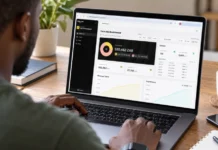



Let’s be real. We’ve all been there, struck by a brilliant idea for an app in the shower or while stuck in traffic. For years, that’s where most great ideas died: as a fleeting thought. Turning it into something real meant finding a developer, spending a fortune and speaking a language you didn’t understand. That old gatekeeper? Consider it gone.
Welcome to the era of “no-code” and “low-code” tools. This isn’t just a minor tech trend; it’s a full-blown revolution that’s handing the keys of software development to the rest of us. These platforms let you build fully functional, professional-looking apps using intuitive, visual builders. Think dragging and dropping elements, connecting logical steps like a flowchart and watching your idea come to life… all without writing a single line of complex code. If you can confidently use a spreadsheet or put together a slideshow, you already have the core skills to build an app. It’s about knowing what you want to build, not how to code it.
Here’s a breakdown of the tools that are genuinely changing the game for side hustlers, freelancers and dreamers everywhere.
1. The Power of the Pixel: No-Code App Builders
These platforms are the heart of the movement, built from the ground up for people with zero coding background. The interface feels more like a design tool than a programming environment, making the process visual and intuitive.
Bubble: The Web App Powerhouse
People call Bubble the “Swiss Army Knife” for a reason. It’s not just for simple apps; it’s for building sophisticated, multi-user web platforms. Dreaming of a niche social network, a custom marketplace for your crafts, or a complex client portal for your consulting business? Bubble can handle it. Sure, it demands a bit more time to learn than other tools (you’ll spend a weekend or two with their excellent tutorials), but the payoff is immense. You end up with a truly custom, scalable web application that looks and behaves like it was built by a professional tech team. It’s the ultimate tool for building a serious “Minimum Viable Product” that can actually attract your first customers or even investors.
Glide: Your Spreadsheet, Supercharged
Many small operations already live and breathe in a Google Sheet or Airtable base. Glide’s genius is in turning that organized data into a slick, native-feeling mobile app in a matter of hours. It’s the perfect solution for utility-focused side gigs that need a simple, clean interface.
Imagine a personal trainer building a client app where people can see their workout plans, log their progress and book sessions. Or a local dog walker managing their entire schedule, client notes and payments from a single, professional app. An artist selling online could use it to create a simple internal inventory tracker that their team can access from their phones. By building on the data you already have, Glide lets you go from a messy spreadsheet to a launched app faster than you ever thought possible.
2. The Bridge to Complexity: Low-Code Platforms
Think of low-code as the best of both worlds. You get the speed and simplicity of visual building, but with a trap door that leads to custom code for when you’re ready to add something truly unique or when you eventually hire a developer for a specific feature.
Microsoft Power Apps
Deeply integrated into the Microsoft universe, Power Apps is a beast for building custom business tools. If your side hustle involves consulting or you’re building a tool for a corporate client, this is a fantastic option. You can drag and drop your way to a client portal that seamlessly talks to your Outlook calendar, SharePoint files and Dynamics 365 data. It lets you create a professional, integrated system that makes your small operation look like a Fortune 500 company.
Appian and Zoho Creator
These platforms are workhorses for automating complex business processes. Freelancers and consultants use them to build highly specific applications for clients who need to streamline convoluted workflows. You can sell a tailored software solution that automates a client’s unique, messy process, delivering immense value without the traditional development price tag.
3. The Automation Engine: Making Your Apps Talk
An app that exists in a vacuum is useless. Its real power comes from connecting to the other tools in your arsenal. This is where automation platforms become your secret weapon.
Zapier and Make (formerly Integromat)
These services are the glue of the modern digital business. They create “Zaps” or “Scenarios” that automatically pass information between your apps. Here is an example: when a new customer signs up in your Bubble app, a Zap can instantly add their email to your Mailchimp list, create an invoice in QuickBooks and even post a notification in your team’s Slack channel. Crazy, right? This is what transforms a dull, static app into a living, breathing revenue-generating machine that works for you around the clock 24/7.
The Invisible Engine: How Pro Tech Powers Your Side Hustle
It’s easy to think of these tools as magic, but they run on the same serious technology that powers giant corporations. Yup. Under the hood, they rely on enterprise-grade systems like Docker for containerization.
So, what does that mean for you, the side hustler?
- Rock-Solid Stability: The developers of your no-code tool use this tech to ensure every part of your app runs consistently. This means your app won’t mysteriously break when the host server gets an update. Your business stays online.
- Effortless Growth: When your side hustle goes viral and user numbers jump from 10 to 10,000, this underlying technology lets the platform scale up resources instantly. Your app stays quick and responsive, which protects your hard-earned reputation.
- Lower Costs for You: This efficiency lets hosting companies perform more for less money, and they often pass those savings on to you in the form of cheap monthly plans.
In the end, the path from a great idea to a launched app has never been clearer. The technical barrier has been dismantled. The power to create is now firmly in your hands. In the world of software development, the creator shapes their own story. And with these tools, the ambitious side hustler determines the future of their business idea. The technology is waiting. The only real question left is, what are you going to build?