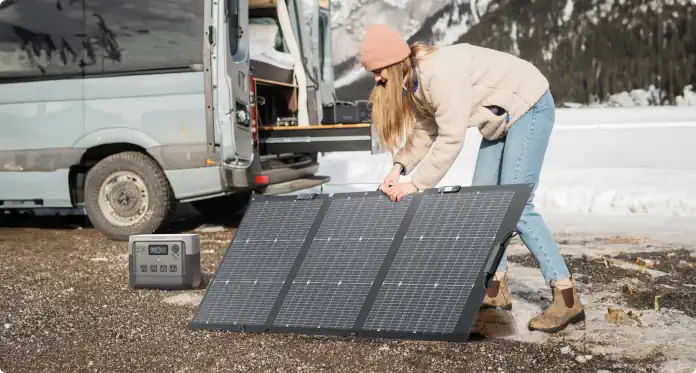
Solar panels are often associated with hot, sunny climates, but they also function quite well in winter. Understanding their performance during the colder months can help optimize energy production and maintain high efficiency year-round. This blog post delves into how solar panels work in winter, affecting factors, and tips for maintaining their performance amidst snow and ice.
Understanding Solar Panel Efficiency in Cold Weather
Impact of Low Temperatures on Electrical Resistance
Cold weather brings about a reduction in electrical resistance within solar cells. As temperatures decrease, the electrons within the photovoltaic cells face less resistance as they move, leading to improved conductivity and higher efficiency. So, while the sunshine might be less intense, the cooler temperatures can enhance the overall performance of solar panels, counteracting the shorter daylight hours.
Advantages of Cold Weather for Solar Panel Performance
One might be surprised to learn that cold weather can be beneficial for solar panels. Panels are less likely to overheat, which means they can operate at optimal efficiency. In fact, solar panels work more effectively in lower temperatures because they generate more voltage when the temperature drops, leading to higher energy yields per hour of sunlight compared to hot conditions.
Comparison of Efficiency in Cold vs. Hot Climates
Comparing solar panel performance in cold versus hot climates reveals that while solar panels do benefit from high levels of sunshine, they operate more efficiently in cooler temperatures. High temperatures can reduce the efficiency of solar panels, as the increased heat leads to higher resistance within the cells. Therefore, even with fewer daylight hours, panels in colder climates can sometimes match or exceed the energy production of those in hotter regions, thanks to their better efficiency in cooler conditions.
Effects of Snow and Ice on Solar Panels
Snow Accumulation and Light Reflection
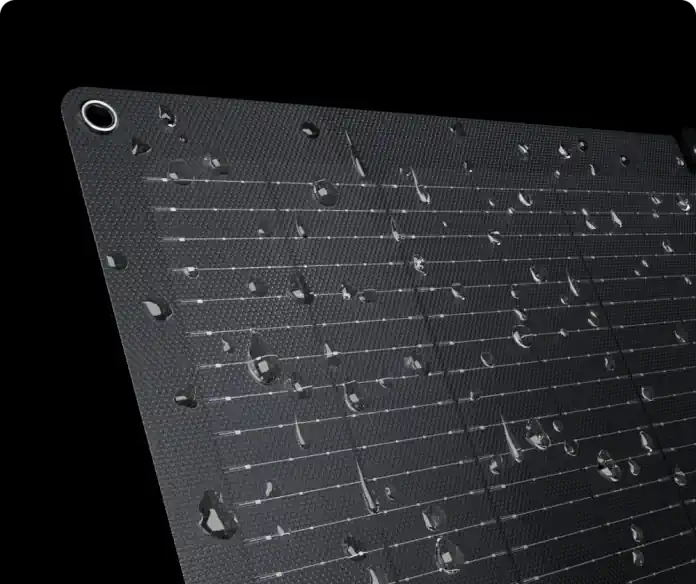
Snow accumulation on solar panels can initially seem like a significant issue as it blocks sunlight from reaching the cells. However, snow often melts relatively quickly on panels due to their dark, heat-absorbing surfaces. Moreover, the reflective nature of snow can actually aid solar panels by bouncing additional light onto the surface, slightly enhancing their performance when the panels are clear.
Risks of Ice Formation and Potential Damage
Ice formation poses a distinct risk, potentially causing physical damage to solar panels. Accumulated ice can exude pressure or could crack the glass covering of the panels, thereby reducing their functionality. Monitoring and maintenance are crucial during winter to avert potential long-term damages and ensure operational efficiency is maintained.
Importance of Regular Maintenance During Winter
Regular maintenance during the winter months is essential for keeping solar panels in peak condition. Ensuring that panels remain clear of snow and ice is important for preventing both physical damage and efficiency loss. Establishing a routine to inspect the panels, followed by the quick removal of snow and ice, is critical to maintaining optimal performance throughout the colder months.
Common Misconceptions About Winter Solar Performance
Belief That Solar Panels Don’t Work in Winter
One prevalent misconception is that solar panels are ineffective during winter. In reality, they produce electricity as long as there is sunlight. Reduced hours of daylight may lower overall production, but efficiency can be higher due to the cold conditions previously discussed.
Underestimating the Impact of Snow and Ice
Another myth is that snow and ice render solar panels useless. While accumulation can block sunlight, snow generally melts off quickly once the sun is out, and proper installation angles can help in swift shedding. Ice, though more problematic, can be managed through regular maintenance, mitigating long-term impacts.
Overlooking the Benefits of Cold Weather for Efficiency
Many people overlook how cold weather benefits solar panel performance. The increase in voltage and efficiency in cold temperatures can compensate for reduced sunlight exposure. It reinforces the fact that winter should not be seen as a detrimental period for solar energy but rather an opportunity to harness different performance advantages.
Maximizing Solar Panel Performance in Winter
Optimal Panel Tilt and Orientation for Snow Shedding
Adjusting the tilt and orientation of solar panels can significantly improve their winter performance. By setting panels at a steeper angle, snow slides off more easily, preventing buildup that could obstruct sunlight. This tilt also helps position the panels to capture maximum sunlight, optimizing energy production during shorter, cloudier winter days.
Techniques for Safe Snow Removal
When snow accumulates on solar panels, it’s crucial to remove it gently to prevent damage. Use soft, non-abrasive tools like a roof rake with a plastic blade to avoid scratching the panel surface. For greater convenience, automated snow-clearing solutions like heated panels or remote-controlled brushes can be highly effective in maintaining optimal panel performance.
Utilizing Solar Batteries for Energy Storage
Solar batteries can store excess energy produced during the day for use during nighttime or cloudy periods. This is especially useful in winter when daylight hours are shorter. Having a reliable energy storage system ensures that solar power can be utilized continuously, regardless of the time of day or weather conditions.
Conclusion
Solar panels can and do perform well during the winter months. Lower temperatures can enhance efficiency, while proper maintenance ensures that snow and ice do not hinder performance. By understanding the dynamics of winter solar energy and adopting correct maintenance practices, one can maximize the benefits of solar panels year-round. Whether through optimal placement, safe snow removal, or energy storage solutions, winter poses opportunities rather than obstacles for solar energy production.