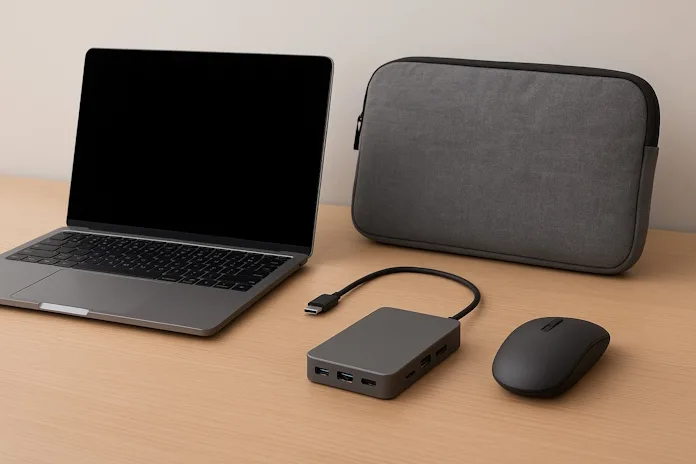
The global demand for laptop accessories has surged in recent years, shaped by the rapid adoption of remote work, online learning, and gaming. According to Statista, the global PC accessories market was valued at $18.3 billion in 2024, and projections suggest steady annual growth of around 5–6% through 2030. Within this market, Chinese cross-border sellers are playing a pivotal role, leveraging platforms such as Amazon, AliExpress, and Temu to reach millions of consumers worldwide.
China’s manufacturing ecosystem gives it a unique edge. Shenzhen and Dongguan remain global hubs for electronics, producing everything from replacement laptop batteries to ergonomic stands. Sellers from these regions dominate cross-border platforms because they combine cost-efficient production with the ability to quickly adapt designs for niche markets.
At the same time, consumer demand has shifted. Buyers are no longer looking only for basic replacements like chargers or batteries. Instead, they want durable, design-focused, and eco-friendly products.
For sellers in China, this creates a dual reality. On one hand, they benefit from unmatched supply chain efficiency. On the other, they face tighter regulations, higher competition, and a consumer base that expects better quality, branding, and service.
Current Market Landscape: Data, Platforms, and Seller Realities
The cross-border laptop accessory market is both vibrant and highly competitive. To understand its current state, it’s essential to look at platform dynamics, seller strategies, and buyer behavior.
Global Market Performance
According to IMARC Group, the global laptop accessories market size reached $37.6 billion in 2023, and is projected to hit $51.6 billion by 2032. A significant portion of this growth is driven by accessories such as laptop batteries, chargers, docking stations, and ergonomic tools. For Chinese exporters, this translates into a consistent stream of opportunities.
In fact, data from China’s Ministry of Commerce shows that cross-border e-commerce exports grew by 19.6% year-over-year in 2024, signaling robust demand despite global economic uncertainties.
Platform Ecosystem
Chinese sellers rely on three major types of platforms:
- Amazon: Still the largest cross-border e-commerce channel. In categories like laptop chargers and docking stations, Chinese sellers often dominate the top 20 listings. But competition is fierce, with price wars and stricter compliance rules.
- AliExpress: Offers a direct-to-consumer model with strong traction in Europe and South America. Laptop accessories are among its top-selling categories, particularly for budget-conscious buyers.
- Temu (Pinduoduo’s overseas arm): Launched aggressively in the U.S. and Europe, Temu uses ultra-low pricing to gain market share. Many laptop accessory sellers have moved onto this platform because of its ability to generate massive traffic, though profit margins are thinner.
Seller Realities
Most sellers in this space fall into two categories: factory-direct exporters and brand-oriented businesses.
- Factory-direct sellers focus on scale. They compete heavily on price and volume, leveraging Shenzhen’s fast production cycles. For example, a charger manufacturer can roll out design adjustments within weeks if a new laptop model becomes popular.
- Brand-oriented sellers aim for long-term value. They invest in packaging, certifications, and marketing. Companies like Baseus and UGREEN exemplify this approach, building trust with international buyers and avoiding the “race to the bottom” seen in commodity pricing.
Experts note that customer trust is the defining factor for long-term success. Buyers on Amazon or AliExpress often filter by review scores and warranty terms, which pushes sellers to improve after-sales service and product reliability.
Consumer Behavior Trends
Consumer expectations are changing rapidly:
- Quality over quantity: Buyers are willing to pay a premium for durable accessories, especially in the EU and U.S. markets.
- Eco-awareness: Accessories made with recyclable materials or offering energy-saving features are gaining traction.
- Convenience-first: Products that improve ergonomics — laptop stands, cooling pads, or docking stations — are trending as remote work continues.
Challenges for Sellers
Despite the booming demand, Chinese cross-border sellers face serious obstacles:
- Platform policy tightening: Amazon has suspended thousands of Chinese sellers in recent years for review manipulation and compliance issues.
- Logistics cost pressures: Shipping costs have stabilized since their pandemic peak but remain a key concern.
- Localization needs: Sellers who fail to adapt their marketing, manuals, and packaging to local markets often struggle to build credibility.
Key Laptop Accessory Segments in Demand
The laptop accessories sector is broad, but only certain categories consistently show strong sales across Amazon, AliExpress, and Temu. These high-performing segments align with shifts in consumer behavior, technological innovation, and work habits.
Laptop Batteries and Power Solutions
Replacement batteries and chargers remain core products in cross-border trade. According to Grand View Research, the global laptop battery market is expected to grow at a 5.6% CAGR through 2030, driven by rising laptop usage and shorter OEM battery lifespans.
- Rechargeable batteries: Consumers in the U.S. and EU are actively searching for high-capacity, certified replacements. Safety certifications like UL and CE are now must-haves.
- GaN chargers: Gallium Nitride (GaN) technology enables smaller, faster, and more efficient chargers. On Amazon, GaN chargers from Chinese brands such as Anker and UGREEN are bestsellers.
- Power banks for laptops: As remote work and travel grow, portable charging solutions designed for laptops are expanding in popularity.
Docking Stations and Hubs
With hybrid work becoming the norm, docking stations and USB-C hubs are among the fastest-growing segments. These accessories allow professionals to connect multiple monitors, storage devices, and peripherals.
Data from Fortune Business Insights shows the docking station market was valued at $1.45 billion in 2023, with an expected CAGR of 6.5% through 2030. Chinese sellers dominate this field due to quick product iteration cycles and cost-effective designs.
Ergonomic Accessories
Comfort and productivity are now purchasing drivers. Demand is rising for:
- Laptop stands: Popular among remote workers to improve posture. Adjustable aluminum stands sell well in Europe and North America.
- Cooling pads: Gamers and heavy laptop users look for reliable cooling solutions. On AliExpress, cooling pads rank among the top-selling laptop items.
- Keyboards and mice: Wireless and mechanical keyboards are gaining traction, particularly in the gaming niche.
Protective and Aesthetic Add-ons
Consumers want accessories that both protect and personalize their laptops.
- Protective cases and sleeves: Eco-friendly materials like recycled PET fabrics are trending.
- Keyboard covers and skins: Small-ticket items with high volume potential, especially among students.
- Privacy filters: Driven by cybersecurity awareness, privacy screens are increasingly common in the B2B and education segments.
Audio and Visual Enhancements
As video conferencing continues to dominate professional and academic life, laptop-related audio and visual add-ons have surged.
- External webcams: Sales spiked during the pandemic and remain strong in 2025.
- Headsets and microphones: Demand persists, particularly for remote teams and content creators.
Emerging Niches
Several emerging categories could define the next growth cycle:
- Solar-powered laptop chargers: Appealing to eco-conscious buyers in regions with limited grid reliability.
- Smart accessories with AI integration: Examples include AI-powered ergonomic keyboards and adaptive lighting systems.
- Cross-device docking systems: Products that support laptops, tablets, and smartphones simultaneously are showing traction among mobile-first consumers.
Challenges Facing Sellers in Global Markets
While the cross-border laptop accessory market presents significant opportunities, sellers encounter various challenges that can impact their success. This chapter delves into these challenges, drawing insights from industry experts and recent developments.
Platform Policy and Enforcement
E-commerce platforms have become more stringent in enforcing policies, particularly concerning product listings and seller conduct. Experts emphasize the importance of adhering to platform guidelines to avoid penalties. As one expert noted:
“Sellers must ensure their listings comply with platform policies to maintain account health and avoid suspensions.”
This underscores the need for sellers to stay informed about platform rules and implement best practices in listing management.
Rising Regulatory Pressure and Trade Rules
International trade regulations are evolving, affecting the import and export dynamics of electronic accessories. Experts highlight the implications of these changes:
“New trade policies can lead to increased costs and longer delivery times, impacting seller competitiveness.”
Sellers must navigate these regulatory landscapes by staying updated on policy changes and adjusting their strategies accordingly.
Logistics and Shipping Margins
Shipping costs and logistics efficiency are critical factors for cross-border sellers. Experts point out:
“Optimizing shipping methods and partnering with reliable logistics providers can help mitigate cost increases.”
By focusing on logistics optimization, sellers can maintain profitability despite fluctuating shipping expenses.
Compliance, Safety, and Certifications
Product safety and compliance with international standards are paramount. Experts advise:
“Obtaining necessary certifications and conducting regular product testing ensures compliance and builds consumer trust.”
Sellers should prioritize obtaining relevant certifications and conducting thorough product testing to meet safety standards.
Brand Building vs. Race-to-the-Bottom Pricing
The dilemma between competing on price and building a brand is significant. Experts suggest:
“Investing in branding and customer experience can differentiate products and justify premium pricing.”
Sellers are encouraged to focus on value-added services and brand development to stand out in a crowded market.
Localization and Customer Experience
Tailoring products and services to local markets enhances customer satisfaction. Experts recommend:
“Localization of product features, language, and customer support can improve market penetration.”
Adapting to local preferences and providing localized support can foster customer loyalty and boost sales.
Counterfeits, Intellectual Property, and Disputes
Intellectual property protection is a growing concern for sellers. Experts highlight:
“Proactively registering trademarks and monitoring for counterfeit products can safeguard brand integrity.”
Sellers should take proactive measures to protect their intellectual property and address counterfeit issues promptly.
Practical Steps for Sellers:
- Stay Informed: Regularly review platform policies and international trade regulations to ensure compliance.
- Optimize Logistics: Collaborate with reliable logistics partners to manage shipping costs and delivery times effectively.
- Prioritize Safety: Obtain necessary certifications and conduct product testing to meet safety standards.
- Invest in Branding: Focus on building a strong brand identity and providing exceptional customer service.
- Localize Offerings: Adapt products and services to meet the preferences of local markets.
- Protect Intellectual Property: Register trademarks and monitor for counterfeit products to safeguard brand integrity.
Emerging Trends and Future Growth Opportunities
The global cross-border e-commerce landscape is evolving rapidly, presenting both challenges and opportunities for Chinese sellers in the laptop accessory market. As we navigate through 2025, several key trends are shaping the future of this sector.
Resurgence of U.S. Market Access
Following a temporary suspension due to heightened tariffs, platforms like Temu have resumed shipping products from China to the U.S. This development opens new avenues for Chinese sellers to re-enter the U.S. market, albeit with adjusted pricing strategies to accommodate the current tariff structure.
“The resumption of shipments from China to the U.S. presents a significant opportunity for sellers to re-establish their presence in this lucrative market,” said an industry expert.
Sellers should focus on optimizing their listings and ensuring compliance with U.S. import regulations to capitalize on this opportunity.
Shift Towards Brand Building
In response to increasing competition and price sensitivity, many Chinese sellers are shifting from a focus on low-cost offerings to building strong, recognizable brands. This strategic pivot involves investing in product quality, customer service, and effective marketing.
“Building a brand is no longer optional; it’s essential for long-term success in the global market,” emphasized a branding consultant.
Sellers are encouraged to develop unique value propositions and engage in storytelling to connect with consumers on a deeper level.
Expansion of Logistics Capabilities
Efficient logistics remain a cornerstone of successful cross-border e-commerce. The logistics market is projected to grow significantly, with an expected increase of USD 98.4 billion from 2025 to 2029 at a CAGR of 14.3%. This growth underscores the importance of investing in robust logistics networks to ensure timely delivery and customer satisfaction.
“Investing in logistics infrastructure can provide a competitive edge by reducing delivery times and enhancing customer experience,” noted a logistics expert.
Sellers should explore partnerships with reliable logistics providers and consider establishing local fulfillment centers to streamline operations.
Emphasis on Compliance and Safety Standards
As global consumers become more discerning, adherence to international safety and compliance standards is paramount. Products that meet certifications such as CE, UL, and RoHS are more likely to gain consumer trust and achieve higher sales.
“Compliance with safety standards not only ensures product quality but also builds credibility with consumers,” stated a compliance officer.
Sellers should prioritize obtaining necessary certifications and conducting regular product testing to maintain high standards.
Leveraging Data Analytics for Market Insights
The use of data analytics is becoming increasingly prevalent in understanding consumer behavior and market trends. By analyzing purchasing patterns, sellers can make informed decisions regarding product offerings and marketing strategies.
“Data-driven decisions enable sellers to anticipate market demands and tailor their offerings accordingly,” explained a data analyst.
Sellers are advised to invest in analytics tools and platforms to gain actionable insights into market dynamics.
Conclusion
The future of China’s cross-border laptop accessory market is promising, with numerous opportunities for growth. By focusing on brand development, optimizing logistics, adhering to compliance standards, and leveraging data analytics, sellers can position themselves for success in the evolving global marketplace.