
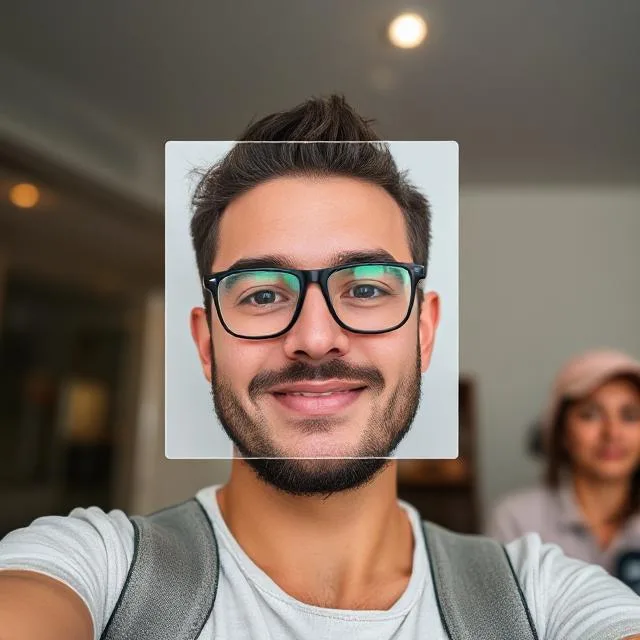
A quiet revolution is underway, one where your own face, paired with an identity document, is unlocking a new era of secure and seamless interactions. We’re talking about selfie identity verification, a technology that’s swiftly moving from futuristic concept to everyday reality.
At its core, selfie identity verification is exactly what it sounds like: using a selfie, combined with an image of your government-issued ID, to confirm who you are. The magic behind this simplicity lies in the sophisticated dance of AI and biometric technology.
Artificial intelligence algorithms analyze the facial features in your selfie and cross-reference them with the photo on your ID, while biometrics ensures the uniqueness and authenticity of your facial characteristics. This powerful combination is not just streamlining processes; it’s fundamentally reshaping how trust and security are established online.
While still evolving, the impact of selfie authentication is already being felt across numerous sectors. But which industries are truly sprinting towards this innovative solution?
Let’s dive into five key players that are rapidly integrating selfie ID verification into their operations in 2025.
1. Financial Services and Banking
Why the Industry Needs It
The world of finance has undergone a seismic shift, with the rise of online banking and sophisticated mobile apps becoming the norm. While this digital transformation offers unparalleled convenience, it also opens doors for fraudulent activities. Robust fraud prevention measures are no longer optional; they’re business critical.
Use Cases:
- Customer onboarding (KYC compliance): Forget lengthy in-person verification. New customers can swiftly and securely prove their identity from the comfort of their homes, meeting crucial Know Your Customer (KYC) regulations.
- Secure mobile transactions: High-value transactions or changes to account details can be fortified by requiring a quick selfie with ID for an extra layer of security.
- Re-authentication for sensitive operations: When users attempt critical actions within banking apps, a selfie verification can act as a seamless yet powerful way to confirm their identity.
Benefits:
- Faster onboarding: Reducing friction in the initial signup process leads to higher conversion rates and happier new customers.
- Reduced manual review: Automating identity checks with selfie identity verification frees up human agents to focus on more complex tasks, saving time and resources.
- Enhanced fraud detection: The biometric analysis inherent in selfie authentication makes it significantly harder for fraudsters to impersonate legitimate users.
2. Online Gaming and Gambling
Why the Industry Needs It
The online gaming and gambling sector operates within a complex web of regulations. Strict age verification laws are paramount to protect minors, while AML compliance (Anti-Money Laundering) is crucial to prevent illicit activities. The inherently increased remote access of these platforms makes robust identity checks even more vital.
Use Cases:
- Verifying user age before gameplay: Ensuring that only eligible adults can access gaming and gambling platforms right from the initial registration.
- Preventing underage gambling: Implementing selfies with ID checks during signup and potentially at withdrawal stages acts as a strong deterrent.
Benefits:
- Stronger regulatory compliance: Meeting legal requirements for age and identity verification becomes more efficient and reliable.
- Ensures age verification: Significantly reduces the risk of underage access, protecting both the business and vulnerable individuals.
- Prevents bonus abuse and underage gambling: Robust identity checks can stop individuals from creating multiple accounts to exploit bonuses or bypass age restrictions.
3. Healthcare and Telemedicine
Why the Industry Needs It
The surge in remote consultations has revolutionized healthcare access, but it also necessitates robust methods for verifying patient identity. Stringent privacy regulations like HIPAA and GDPR demand the utmost care in handling sensitive personal information.
Use Cases:
- Patient identity confirmation for online appointments: Ensuring the person logging into a telemedicine session is indeed the intended patient.
- Accessing electronic health records: Providing a secure method for patients to access their confidential medical information.
Benefits:
- Safer digital health interactions: Building trust and security in remote healthcare delivery.
- Prevents identity theft in insurance claims: Confirming patient identity helps to avoid fraudulent claims and protect personal data.
4. Ecommerce and Delivery Services
Why the Industry Needs It
The continued growth in online age-restricted product sales (think alcohol, certain medications, and CBD products) presents a unique challenge for ecommerce platforms and delivery services: how to ensure these items don’t fall into the wrong hands.
Use Cases:
- Verifying buyer identity and age at checkout: Implementing selfie identity verification during the purchase process for age-restricted goods.
- Delivery confirmation for restricted goods: Requiring a verification selfie with an ID card upon delivery to ensure the recipient is of legal age.
Benefits:
- Legal compliance with age restrictions: Adhering to regulations regarding the sale and delivery of age-sensitive products.
- Fraud protection in customer identity: Reducing the risk of underage individuals attempting to purchase restricted items online.
5. Travel and Hospitality
Why the Industry Needs It
In a world increasingly prioritizing convenience and safety, the rising demand for contactless check-ins and secure identity verification in travel and hospitality is undeniable.
Use Cases:
- Airport security screening: Exploring the potential for more streamlined and secure identity checks.
- Hotel self-check-in kiosks: Allowing guests to verify their identity remotely for a faster arrival experience.
Benefits:
- Faster, seamless user experience: Reducing wait times and streamlining processes for travelers and guests.
- Enhanced border security and guest safety: Adding a layer of robust identity confirmation.
- Reduces fraud in travel bookings: Helping to prevent fraudulent reservations and identity theft.
Conclusion
From the seamless onboarding in financial services to the crucial age checks in online gaming and the secure interactions in telemedicine, selfie ID verification is rapidly becoming a cornerstone of trust and security in the digital age. Its ability to blend user convenience with robust identity assurance is why so many industries are not just exploring but actively adopting this technology in 2025. The future of online interaction is increasingly visual and personal, with your selfie with ID acting as your secure digital key.