



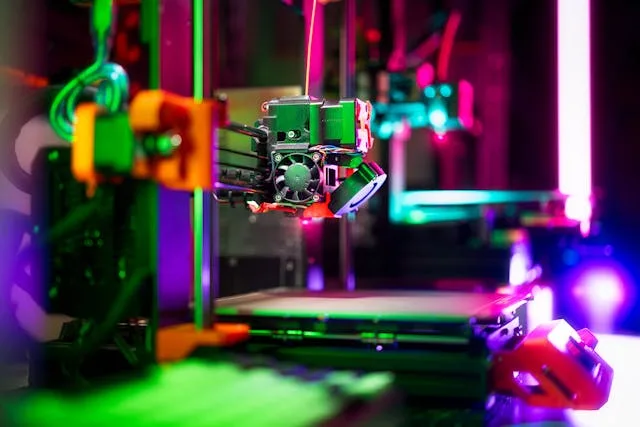
The 3D printer has rapidly evolved from specialized industrial equipment to a popular household device that millions of people now own. This remarkable shift reflects how accessible and practical 3D printing has become for everyday consumers who want to create, repair, and customize items at home. Modern machines offer user-friendly interfaces and reliable performance at prices that ordinary families can manage.
Multiple factors explain why people increasingly choose to buy their own 3D printer. Manufacturing costs have plummeted, making quality devices available for a few hundred dollars. Online communities provide endless free designs and helpful support for newcomers. Users enjoy the satisfaction of producing functional objects like phone cases, garden tools, and replacement parts instead of ordering them online or visiting stores. Companies like Swedish 3D Experten have noticed a huge increase in sales over the last 3 years.
The pandemic sparked additional interest as people explored new hobbies during lockdowns. Parents found that 3D printing engaged their children in science and technology while creating useful household items. Small entrepreneurs discovered they could start businesses by offering custom products and prototyping services. This technology empowers ordinary people to become makers and problem-solvers in ways that seemed impossible just a decade ago.
Affordable technology brings manufacturing home
The dramatic price reduction of 3D printer technology has made these devices accessible to regular consumers who previously couldn’t justify the expense. Entry-level models that once cost thousands of dollars now retail for under $200, while mid-range options with excellent print quality are available for $300-500. This affordability revolution stems from improved manufacturing processes, increased competition among brands, and economies of scale as production volumes have grown exponentially.
Beyond the initial purchase price, operating costs remain remarkably low. A kilogram of basic printing filament costs around $20-30 and can produce dozens of useful items. Many users find their 3D printer pays for itself within months by creating replacement parts, tools, and household items they would otherwise purchase. The electricity consumption is minimal, typically costing pennies per print job. Quality has improved alongside affordability, with modern budget 3D printers delivering precision and reliability that rivals expensive professional models from just five years ago.
Automatic bed leveling, heated print beds, and quiet operation have become standard features even on basic models. Users no longer need engineering backgrounds to achieve excellent results. The combination of low prices and high performance has democratized manufacturing. Families can now own production capability that was once exclusive to factories and research institutions, representing one of the most significant changes in how people interact with physical objects and solve everyday problems through 3D printing technology.
Creative freedom meets practical problem solving
People buy a 3D printer because it transforms how they approach everyday challenges and creative projects. Instead of searching stores or waiting for online deliveries, users can design and print custom solutions within hours. Broken appliance parts, missing screws, phone holders, and garden tools become simple printing tasks rather than frustrating shopping expeditions. The creative possibilities attract hobbyists and artists who want to bring their ideas to life through additive manufacturing.
3D printing allows for complex geometries and intricate details that would be impossible or extremely expensive to produce through traditional methods. Miniature enthusiasts create detailed figurines, jewelry makers prototype new designs, and inventors test concepts before committing to expensive manufacturing. Parents particularly value how their 3D printer engages children in hands-on learning while producing tangible results. Kids can design their own toys, create school project models, and learn basic engineering principles through trial and error.
Small business opportunities also motivate many purchases. Entrepreneurs use their machines to create custom products for local markets, prototype inventions, or offer personalized items through online platforms. The ability to produce small batches economically opens doors that traditional manufacturing couldn’t provide for individual creators and small companies seeking to enter niche markets with unique products.
Community support makes learning accessible
The growing 3D printer community has created an environment where beginners can quickly master this technology without formal training. Online platforms like Thingiverse, MyMiniFactory, and Printables host millions of free designs that users can download and print immediately. These repositories eliminate the need to create everything from scratch, allowing newcomers to produce useful items while gradually learning design skills.
YouTube channels, forums, and social media groups provide extensive tutorials covering everything from basic setup to advanced techniques. Experienced users eagerly share troubleshooting tips, material recommendations, and printing optimizations. This collaborative spirit means that someone struggling with bed adhesion or layer separation can find solutions within minutes rather than abandoning their project. Local makerspaces and libraries increasingly offer 3D printing workshops and equipment access, letting people try the technology before purchasing their own 3D printer.
Many libraries now loan these devices just like books, giving families hands-on experience without upfront costs. The standardization of file formats and slicing software has simplified the entire process. Most machines now work with similar workflows, so skills learned on one device transfer easily to others. Popular slicing programs like Cura and PrusaSlicer offer automated settings that produce good results for beginners while providing advanced controls for experienced users.
Environmental benefits drive sustainable choices
Many people choose to buy a 3D printer as part of their commitment to reducing waste and living more sustainably. Traditional manufacturing often involves mass production, excessive packaging, and long shipping distances that contribute to environmental problems. Home 3D printing eliminates much of this waste by producing items on-demand exactly when and where they’re needed.
The repair culture that 3D printing enables significantly extends the lifespan of household items. Instead of discarding broken appliances, furniture, or tools, owners can print replacement parts and restore functionality. This approach saves money while keeping usable items out of landfills. Many users report fixing everything from vacuum cleaner attachments to car interior components using their machines.
Key environmental advantages include:
- Reduced packaging waste from shipping individual items
- Lower carbon footprint through local production
- Extended product lifecycles through replacement parts
- Minimal material waste with precise quantity control
- Recyclable filaments made from sustainable sources
The materials used in consumer 3D printing have become increasingly eco-friendly. PLA filament derives from renewable plant sources like corn starch, while recycled PETG uses post-consumer plastic bottles. Some manufacturers now produce filaments from ocean plastic waste, turning pollution into useful printing material. Users also appreciate the precision of additive manufacturing, which creates objects layer by layer without cutting away excess material.
The surge in 3D printer ownership reflects a fundamental shift in how people approach manufacturing and problem-solving at home. What started as expensive industrial equipment has become an accessible tool that empowers ordinary consumers to create, repair, and customize items according to their specific needs. The combination of falling prices, improved reliability, and extensive community support has removed the barriers that once prevented widespread adoption.
Modern households embrace this technology because it provides practical solutions to everyday challenges while opening creative possibilities that were previously unimaginable. From printing replacement parts for broken appliances to creating custom educational tools for children, these machines deliver value that extends far beyond their purchase price. The environmental benefits of local production and waste reduction appeal to consumers who want to make more sustainable choices.
The thriving online communities and vast libraries of free designs ensure that newcomers can quickly become productive users without extensive technical knowledge. As 3D printing continues to evolve with better materials, faster speeds, and simpler operation, even more people will discover the satisfaction and utility of owning their own manufacturing capability. This technology has successfully transitioned from novelty to necessity for millions of households worldwide who recognize its practical benefits.