



International Sports Interview | Martial Arts, Coaching and Athlete Development
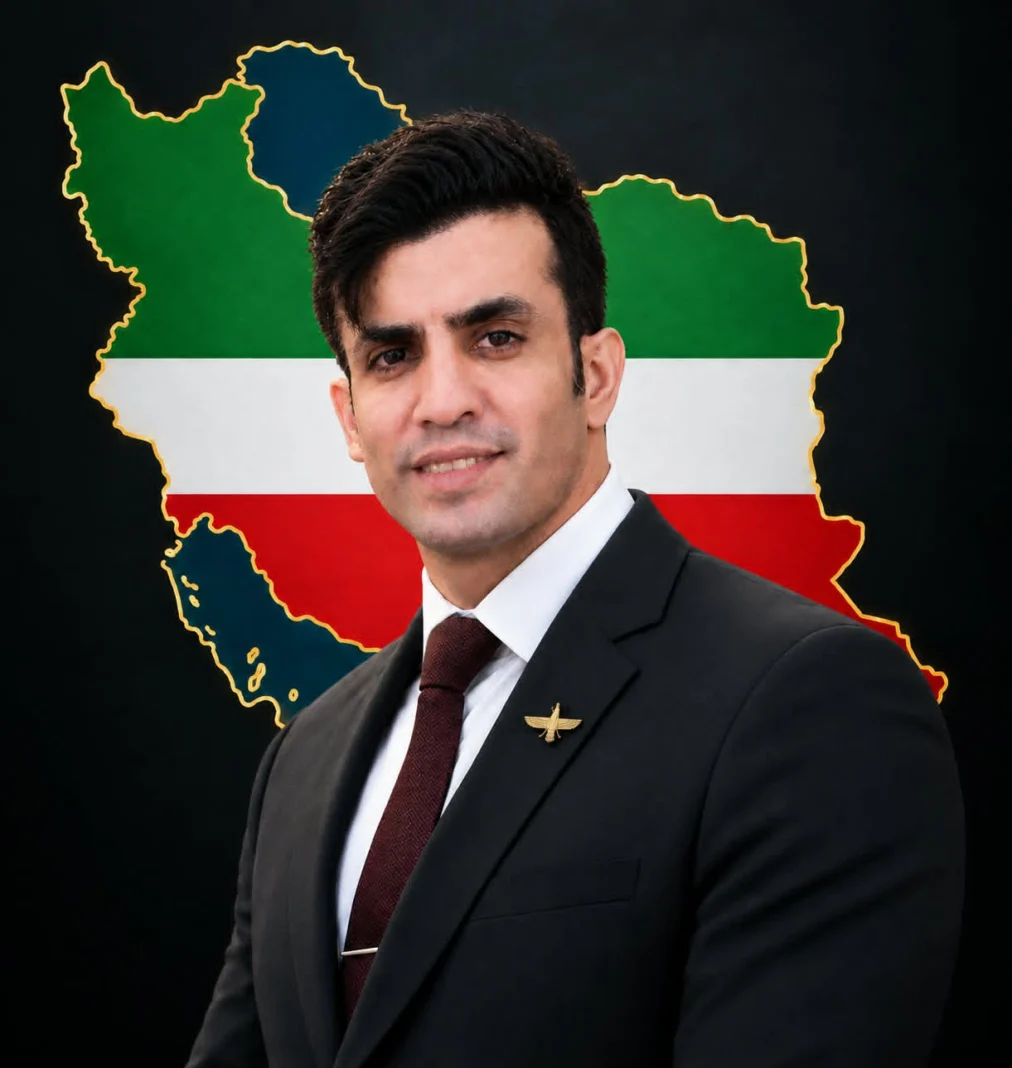
For Iranian martial arts coach and referee Faramarz Shah Nasiri, developing a successful fighter involves far more than preparing someone to win a competition. It requires technical knowledge, mental discipline, professional guidance and an understanding of the responsibilities that come with competing at higher levels.
With a professional background encompassing Muay Thai, kickboxing, mixed martial arts (MMA) and self-defense, Shah Nasiri has dedicated much of his work to coaching, technical education and the development of martial artists.
His experience in both coaching and officiating has shaped his perspective on how athletes should be trained, evaluated and prepared for competitive environments.
As combat sports continue to attract athletes from different backgrounds, Shah Nasiri believes that the future of martial arts depends not only on individual talent but also on the quality of coaching, access to competition and opportunities for international cooperation.
In this interview, he shares his views on developing Iranian talent, the responsibilities of coaches, the relationship between competition and education, and the principles he believes should guide the next generation of martial artists.
From Martial Arts Training to Professional Responsibility
Interviewer: Your career has involved several aspects of martial arts, from training and coaching to officiating. How has that experience shaped your professional journey?
Faramarz Shah Nasiri:
My involvement in martial arts has developed over many years, and each stage has changed the way I understand the sport.
When you begin training, your attention is naturally focused on improving your own abilities. As you gain experience and take on responsibilities as a coach or official, your perspective becomes broader.
You begin to recognize that martial arts are not simply about physical strength or competition. They also involve discipline, decision-making, responsibility and respect for others.
Teaching has become an important part of my professional life because it allows me to share knowledge and help others avoid mistakes that can slow their development.
I believe experience becomes more valuable when it can benefit the next generation.
Why Winning Is Only Part of an Athlete’s Development
Interviewer: Many young fighters measure success through victories and championships. Do you believe this is the right approach?
Faramarz Shah Nasiri:
Winning is important. Every athlete who enters a competition wants to perform well and achieve results. That ambition is a natural part of competitive sport.
However, a championship alone does not tell the complete story of an athlete.
A fighter must also learn how to handle pressure, follow instructions, respect opponents and maintain discipline when circumstances become difficult.
Some of the most important lessons in martial arts come from challenging experiences, including defeats.
My responsibility as a coach is not simply to prepare someone for the next fight. It is to help that person develop the technical and mental qualities needed for long-term progress.
An athlete who understands this can continue improving regardless of the result of a particular competition.
Iranian Martial Artists and the Challenge of International Competition
Interviewer: How do you assess the potential of Iranian martial artists to compete successfully at the international level?
Faramarz Shah Nasiri:
I believe Iran has considerable potential in martial arts. There are talented athletes, dedicated coaches and many young people who are willing to work hard to develop their abilities.
But talent by itself is not enough.
Athletes need structured training, experienced coaching, appropriate competition and opportunities to test their skills against different opponents.
One of the important challenges is creating a clear pathway between local training and international participation.
When athletes have access to professional preparation and competitive experience, they can develop a better understanding of what is required at higher levels.
I believe Iranian martial artists have the ability to make meaningful progress internationally, provided that their talent is supported by the right opportunities.
International Experience as a Learning Opportunity
Interviewer: Beyond winning medals, what can international competition offer an athlete?
Faramarz Shah Nasiri:
International competition exposes athletes to situations that cannot always be recreated in their usual training environment.
They encounter different fighting styles, approaches to preparation and levels of competitive pressure.
These experiences help fighters recognize their strengths and identify the areas where they need to improve.
I also believe international competition helps athletes develop greater independence and confidence.
They learn to adapt, make decisions under pressure and understand the importance of preparation.
For me, competition is not only a way to measure performance. It is also part of the educational process.
The Connection Between Coaching and Refereeing
Interviewer: You have worked in both coaching and officiating. How has understanding these two roles influenced your approach to martial arts?
Faramarz Shah Nasiri:
Coaching and officiating have different responsibilities, but they are closely connected through the technical principles of the sport.
A coach is responsible for preparing athletes and helping them perform at their best. An official must remain impartial and make decisions according to the rules.
Working in officiating gives you another perspective on competition.
You become more attentive to technical execution, the application of regulations and the importance of fairness.
That understanding is valuable when preparing athletes because they need to know not only how to perform techniques but also how those techniques are evaluated in competition.
I believe a professional coach should have a strong understanding of the rules and responsibilities that govern the sport.
Understanding Different Combat Sports
Interviewer: Your professional background includes Muay Thai, kickboxing and MMA. What should athletes understand when training across different combat disciplines?
Faramarz Shah Nasiri:
Each combat sport has its own technical structure, competitive rules and training requirements.
Muay Thai, kickboxing and MMA share certain physical and mental demands, but they should not be treated as identical disciplines.
An athlete must understand the specific requirements of the sport in which they compete.
At the same time, the fundamental principles of preparation remain important across all of them.
Physical conditioning, technical accuracy, mental discipline and consistent training are essential.
I believe athletes and coaches should respect the identity of each discipline while remaining open to learning from different approaches.
Building Professional Relationships Across Borders
Interviewer: What importance do you place on cooperation between martial arts coaches, organizations and athletes from different countries?
Faramarz Shah Nasiri:
Martial arts have an international community, and I believe cooperation can play an important role in developing that community.
When coaches exchange knowledge and athletes gain experience in different competitive environments, everyone has an opportunity to learn.
International relationships can also help improve educational standards and create opportunities for professional development.
However, cooperation must be based on clear principles.
Professionalism, transparency, respect and the interests of athletes should always come first.
I believe the strongest international relationships are those that create lasting educational and sporting value rather than focusing only on short-term recognition.
The Future of Martial Arts Education
Interviewer: Looking ahead, what would you most like to contribute to the development of martial arts?
Faramarz Shah Nasiri:
My main priority is to continue contributing to martial arts education, coaching and athlete development.
I would like to see more opportunities for young athletes to receive structured training and gain experience in professional competitive environments.
I also believe the development of coaches is essential.
When coaches improve their knowledge and methods, the benefits extend to every athlete they train.
In the long term, I hope to contribute to stronger professional standards, greater international cooperation and better development opportunities for talented martial artists.
For me, progress means building an environment where athletes and coaches can continue learning and improving.
A Message to the Next Generation of Martial Artists
Interviewer: Finally, what advice would you give to young people who hope to build a professional future in martial arts?
Faramarz Shah Nasiri:
My advice is to be patient and take the learning process seriously.
Do not begin martial arts only with the expectation of becoming a champion.
Championships may be an important goal, but the values you develop through training will remain with you throughout your life.
Respect your coaches, your training partners and your opponents. Learn from your mistakes and do not allow setbacks to end your progress.
There are no shortcuts to meaningful development.
Consistency, discipline and a willingness to learn are qualities that can help an athlete throughout their career.
I believe the greatest achievement is not simply winning a title, but becoming a stronger, more knowledgeable and more responsible person through martial arts.
Beyond the Competition Arena
For Shah Nasiri, the future of martial arts is closely connected to the opportunities available to those entering the sport today.
His perspective places coaching, education and international experience at the center of athlete development, rather than treating competitive results as the only measure of success.
As young martial artists pursue opportunities beyond their local training environments, his message is that lasting progress depends on preparation, professional guidance and a commitment to continued learning.
In a field where championships often attract the greatest attention, Shah Nasiri emphasizes the work that takes place long before an athlete enters the competition arena.