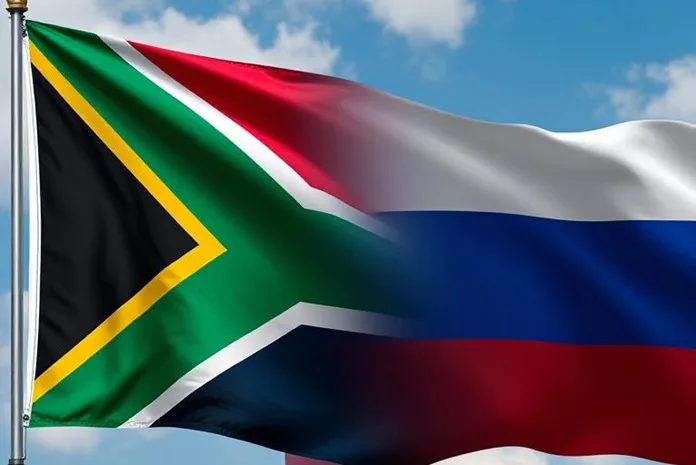
A diplomatic dispute is emerging between South Africa and Russia after authorities denied a Russian Navy training vessel permission to dock in Cape Town for refueling. The decision comes shortly after Home Affairs Minister Leon Schreiber approved a similar request from the United States, raising questions about the government’s stance on international relations.
Controversial Refusal
The Russian vessel, which last visited Cape Town in August 2023 during a training voyage with over 300 cadets, was reportedly denied entry without explanation. The move has drawn sharp criticism from the uMkhonto weSizwe (MK) Party, which condemned the decision as politically motivated and warned of an “avoidable diplomatic fallout.” The party emphasized Russia’s historical ties to South Africa, particularly its support during the anti-apartheid struggle.
Meanwhile, the Democratic Alliance (DA), which had previously criticized the 2023 visit for undermining South Africa’s non-aligned position on the Russia-Ukraine war, has not yet commented on the latest development.
Legal and Diplomatic Concerns
Dr. Kingsley Makhubela, a former diplomat and international relations expert, criticized the refusal as lacking legal basis. “There is no rational justification for denying a ship the right to refuel unless it poses a security threat,” he said. He warned that selective enforcement could damage South Africa’s reputation as a neutral player in global affairs.
“The enemies of Russia are not necessarily the enemies of South Africa,” Makhubela argued, stressing that the country’s strategic geographic location should facilitate, not restrict, maritime access for non-hostile vessels.
Political Fallout and Presidential Diplomacy
The controversy coincides with a phone call between President Cyril Ramaphosa and Russian President Vladimir Putin, where the two leaders reaffirmed their commitment to strengthening bilateral ties and advancing peace efforts in Ukraine. The presidency’s statement highlighted South Africa’s support for a negotiated resolution to the conflict, suggesting that diplomatic relations remain intact despite the port dispute.
However, Makhubela expressed concern over inconsistent government actions, stating, “If we allow unilateral decisions without legal grounding, we risk undermining our own sovereignty.”
No Official Explanation
Neither the Home Affairs Ministry nor the Border Management Authority provided reasons for the refusal, deepening speculation about potential external pressures. Some analysts suggest the decision may be linked to ongoing trade negotiations between the U.S. and South Africa, though no evidence has been presented.
As tensions simmer, the incident raises broader questions about South Africa’s foreign policy direction—balancing historical alliances with Western diplomatic expectations while maintaining its non-aligned stance.