



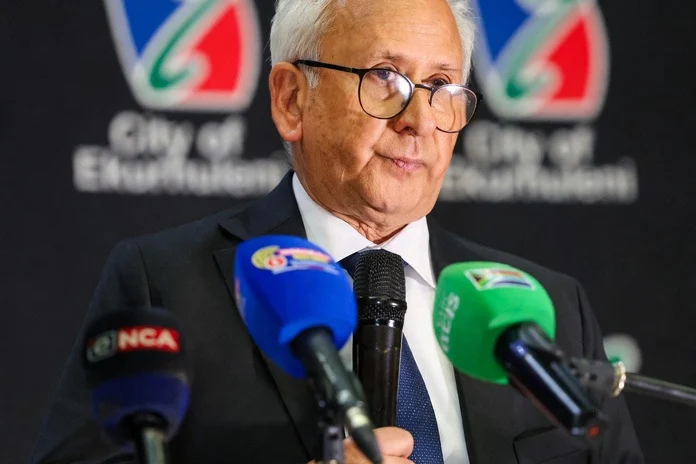
CAPE TOWN, Western Cape — Acting Police Minister Firoz Cachalia, alongside a high-level delegation from the South African Police Service (SAPS), has presented the comprehensive SAPS Reset Agenda to the Police Portfolio Committee. The strategic reform plan aims to address systemic failures and restore public trust without waiting for the conclusion of ongoing state capture and corruption inquiries.
The reset initiative is a direct response to findings from the Madlanga Commission and the Parliamentary Ad Hoc Committee, which investigated severe allegations that top law-enforcement officials were colluding with organized criminal networks. Despite these heavy allegations, Cachalia emphasized his continued confidence in the current police leadership.
“I have confidence in the police leadership with all its problems,” Cachalia stated, clarifying his approach to the reform process. “I do not agree that the right way to approach this reform agenda is to start on a clean slate. We are working with an existing organization and existing leadership and trying to improve it, and that requires stable leadership.”
During the briefing, SAPS representatives argued that there is no need to delay action until various inquiries conclude, as the core issues have already been identified. The delegation’s objective was to plainly outline what has gone wrong, the proposed solutions, and the mechanisms for parliamentary accountability.
SAPS spokesperson Rabbi detailed the specific hurdles facing the service, outlining 10 persistent challenges that severely impact public trust, institutional accountability, and the effective fight against crime.
Acknowledging that the SAPS Reset Agenda is highly ambitious, leadership stressed that success will require a collective effort, strong top-down direction, and broader government intervention to address the root causes of crime. The comprehensive reset programs are scheduled to run through 2029. Key focus areas include sweeping procurement reforms and targeted interventions in high-crime precincts.
To address internal corruption and leadership misconduct, the reform agenda introduces strict new governance measures. These include appointing independent attorneys and advocates to preside over senior misconduct hearings. Furthermore, the service will implement compulsory ethics and governance training, and integrate ethics records directly into the criteria for promotion opportunities.
Looking ahead, Acting Minister Cachalia confirmed that he will appear before the Madlanga Commission on December 15 to formally present and share the details of this reset plan with the inquiry.