


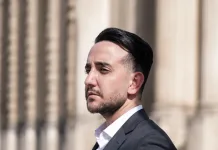

CAPE TOWN — President Cyril Ramaphosa might choose resignation if his court interdict against the Phala Phala impeachment process fails, according to political analyst Professor Sethulego Matebesi. As the president’s legal team argues that subjecting a sitting head of state to a public inquiry based on a Section 89 report would inflict irreparable harm and humiliation, experts emphasize that accountability to the electorate remains a fundamental part of the leader’s job description.
Professor Matebesi noted that in a constitutional democracy, the true test is not whether accountability is uncomfortable, but whether democratic institutions like parliament and the courts have the courage and capability to apply rules fairly to everyone, including the president. While the president retains the legal right to challenge the proceedings, any parliamentary decision to remove him would still require a two-thirds majority vote, setting the stage for intense political maneuvering among parties representing South Africans.
Addressing the legal team’s focus on personal and political humiliation, Professor Matebesi stated that this is neither a legally nor morally justifiable reason to block constitutional mechanisms. Although a removed president would lose associated benefits and suffer reputational damage, the power of public perception cannot be underestimated. Such perceptions weaken the president’s image and authority, which is particularly precarious in the current coalition government environment where executive decisions face heightened scrutiny.
The political analyst highlighted that these far-reaching implications extend beyond the individual to affect intra-party dynamics within the African National Congress (ANC). With local government elections approaching in November, opposition parties are likely to leverage the situation, framing the president as unwilling to be transparent. However, Professor Matebesi stressed that reputational damage does not equate to constitutional exoneration, nor does it prevent the president from utilizing his legal rights, though it raises the critical question of whether the South African constitution should take a back seat to individual interests.
Drawing parallels to former President Jacob Zuma, Professor Matebesi explained that context is crucial. During Zuma’s tenure, despite having strong factional backing within the party, weekly allegations caused immense reputational harm to the ANC, eventually leading the organization to withdraw its support. In contrast, President Ramaphosa currently retains ANC backing, but the realities of a coalition government make the parliamentary math for an impeachment vote significantly more complex, adding pressure to any legal or political strategies employed by the president’s camp.
When asked if the “humiliation defense” sets a dangerous legal precedent protecting future presidents from parliamentary oversight, Professor Matebesi clarified that the president is also a South African citizen entitled to individual rights. However, he emphasized that when serious wrongs are alleged, the natural and ethical response should be to address them rather than attempt to cover them up. If the Western Cape High Court denies the interdict, the president’s next move will depend heavily on the advice he receives.
Professor Matebesi suggested that the safest, most ethical, and most moral decision for a leader facing such serious, publicly documented allegations is to voluntarily vacate the position. An impeachment would not only harm the president but also the country and the ANC, as history would record President Ramaphosa as the first democratic ANC president to be successfully impeached—a tainted legacy any leader would wish to avoid.
Concluding the analysis, Professor Matebesi warned against subjecting South Africans to multi-year delays simply to protect the president’s or the ANC’s reputation. With the Section 89 report already submitted to parliament and in the public domain, prolonging the matter only compounds the reputational harm. The public interest, he argued, must ultimately outweigh political maneuvering, and leaders must be willing to put the interests of South Africans first.