



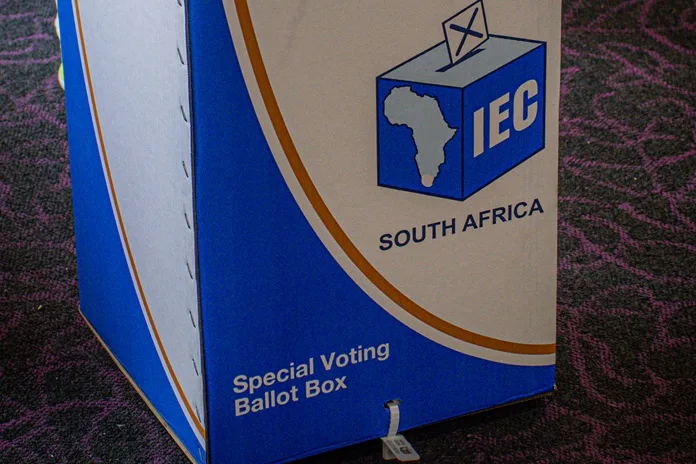
CAPE TOWN, WESTERN CAPE — The Independent Electoral Commission (IEC) in the Western Cape has confirmed its comprehensive state of readiness for the upcoming Voter Registration Weekend, urging eligible residents to register ahead of the 2026 Local Government Elections. Speaking to the media from the Western Cape Results Operations Centre in Century City, IEC Western Cape Chair Michael Hendrickse outlined the extensive logistical and security preparations as 1,622 voting stations prepare to open their doors.
Logistics and Voter Requirements
Hendrickse detailed that all 1,622 voting stations across the province will be open on both Saturday and Sunday from 8:00 a.m. to 5:00 p.m. To accommodate areas lacking suitable permanent venues due to historical unequal development, the commission has established 36 temporary stations.
He emphasized that voters only need to bring an original identity document. Acceptable forms of ID include a smart card, a green barcoded ID, or a temporary identity certificate issued by the Department of Home Affairs. Copies of documents will not be accepted.
Notably, the IEC has removed the burden of providing proof of address. Recognizing that many voters do not have formal lease agreements or formal addresses, Hendrickse explained that individuals can simply state their address or point it out on a map at the station. The IEC will then place them in the correct voting district. This step is crucial for local government elections, as citizens can only vote at the specific voting station where they are registered.
Security and Infrastructure Contingencies
Addressing past challenges, Hendrickse noted that the IEC has developed robust contingency plans in collaboration with various stakeholders to ensure a glitch-free weekend.
In deep rural areas where recent adverse weather has damaged or blocked access roads, the commission is closely monitoring conditions alongside provincial and local disaster management teams, as well as the South African Police Service (SAPS).
Furthermore, to combat the scourge of gang violence and ensure community safety, the IEC is working closely with the SAPS, local law enforcement, and Community Police Forums (CPFs). Hendrickse stressed that these whole-of-society partnerships are vital to ensuring that citizens can safely travel to the voting stations, register, and walk home safely.
Digital Alternatives and Youth Outreach
For those unable to attend in person over the weekend, the IEC’s online portal at www.elections.org remains open 24/7. Hendrickse highlighted that the digital registration process is quick and easy, taking just three to five minutes to create a profile and update details. Local IEC offices also remain open during the week for in-person assistance.
To combat voter apathy, the Western Cape IEC is heavily targeting first-time and young voters. Outreach initiatives include campaigns at TV colleges and universities to engage youth around civic responsibility and rights. The commission has also launched a tertiary institution campaign that utilizes young people on campuses to register their peers, a strategy that has proven highly effective.
Additionally, the Schools Democracy Program engages grades 10 through 12 to provide civic and democracy education. The IEC brings voter management devices directly to these schools, allowing learners who are 16 and older and already possess an ID to register on the spot.
Hendrickse concluded by stressing the critical importance of civic participation, reminding residents that without being on the voters’ roll, they will not be able to cast their ballots in November or have their voices heard in the councils.