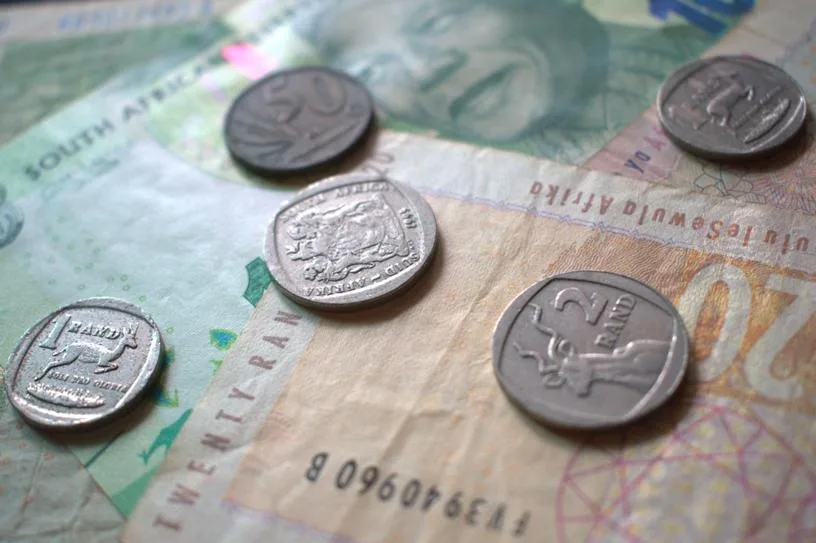
JOHANNESBURG, SOUTH AFRICA – As South Africa navigates recent civil demonstrations, analysts are closely monitoring the impact of anti-undocumented protests on markets. While the rallies initially sparked concerns among investors, the actual market reaction has proven to be surprisingly positive. Instead of triggering capital flight or currency depreciation, the peaceful nature of the demonstrations and coordinated government responses have bolstered investor confidence and driven the South African rand to multi-year highs.
Currency Resilience and Market Reaction
Dr. Azar Jammine, Director and Chief Economist at Econometrix, notes that while financial markets are inherently sensitive to civil unrest that could debilitate an economy, the recent demonstrations did not result in the anticipated downturn. Leading up to the June 20-30 period, there were fears that the unrest might weaken the local currency. However, the rand defied expectations, strengthening by 0.4% during morning trading and rising against all major global currencies. In fact, the rand hit a multi-year high against both the British pound and the euro.
While lower global oil prices provided some support, Dr. Jammine points out that the currency would have been even stronger had it not been for lingering fears of economic disruption. Crucially, the absence of a repeat of the July 2021 looting and mayhem prevented the severe depreciation that such events typically cause.
Contingency Planning and Democratic Rights
The muted market reaction to the anti-undocumented immigration sentiment is largely attributed to proactive economic safeguards. Dr. Jammine highlights that large businesses collaborated closely with the government to implement contingency measures, ensuring that economic activity remained largely unaffected.
Furthermore, the peaceful execution of the protests played a significant role in shaping market perception. Rather than signaling instability, the demonstrations reinforced South Africa’s democratic principles. Unlike several other African nations where protests frequently devolve into violence and economic damage, South Africa’s adherence to the rule of law demonstrated a stable, democratic society where citizens can peacefully voice opposition.
Broader Governance and Investor Confidence
This peaceful resolution has the potential to significantly improve market sentiment and address long-standing investor concerns regarding safety, security, and the rule of law in the country. Dr. Jammine emphasizes that the successful management of the protests corroborates other recent positive developments in South African governance.
Investors have warmly received the ongoing work of the Madlanga Commission, which is actively tackling corrupt practices, particularly within the police force. Additionally, fiscal authorities have instilled confidence through decisive policy implementations. A notable example is the recent ultimatum issued to the City of Johannesburg, demanding the rectification of its financial mismanagement or the loss of central government funding. While such strict measures might have short-term economic implications, they signal to the market that governance and institutional accountability are steadily improving.