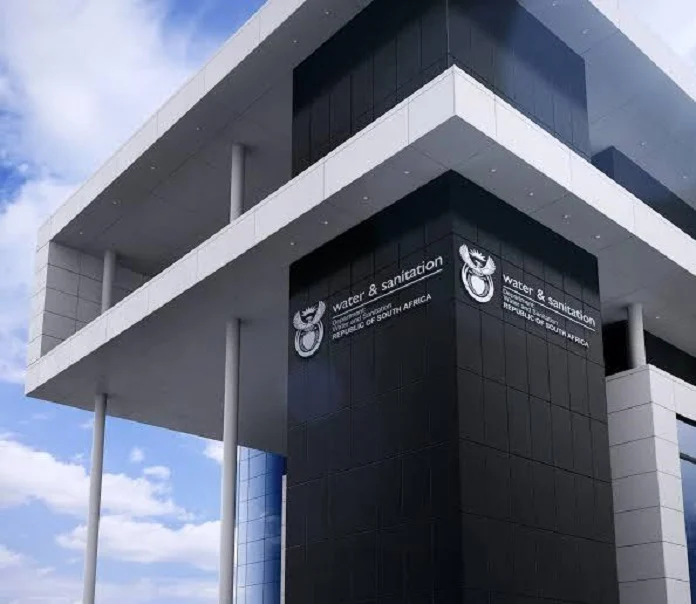
SOUTH AFRICA — In a strategic move to accelerate South Africa water infrastructure investment, the Ministry of Water and Sanitation and the Banking Association South Africa (BASA) have formalized a partnership to mobilize private-sector funding. The collaboration aims to address critical funding challenges and develop practical, financially sustainable solutions for the nation’s water and sanitation sectors.
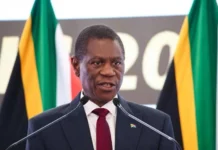
The agreement follows a virtual Ministerial Consultative Session led by Water and Sanitation Minister Pemmy Majodina, alongside Deputy Ministers David Mahlobo and Dr. Jack Bloom. The engagement included BASA Managing Director Bongiwe Kunene and senior representatives from Absa, Capitec, FirstRand, Investec, Nedbank, and Standard Bank.
To operationalize the partnership, the parties agreed to establish joint technical teams comprising the Department of Water and Sanitation, National Treasury, and BASA. Operating under the leadership of the department’s Acting Director-General, Dr. Risimati Mathye, the teams will focus on three priority areas. Their primary objective is to bridge the gap between the sector’s infrastructure requirements and available funding, ensuring projects are financially viable and aligned with national priorities.
Addressing the session, Minister Majodina emphasized that water must be recognized as both a social and economic priority due to its critical role in community well-being and broader economic growth. She highlighted the necessity for improved coordination between government and financial institutions to direct private funding toward viable projects. Majodina noted that addressing the scale of the country’s water challenges requires a collective response, leveraging the private sector’s financial resources, technical expertise, and innovative financing instruments.
The consultation also addressed systemic challenges affecting infrastructure investment, specifically the need for greater policy and regulatory certainty, improved project preparation, and mechanisms to mitigate investment risks. During the session, the department presented its Water Services Planning Framework to underscore the importance of coordinated planning in prioritizing projects and aligning investments with local and national development goals.
The meeting was further attended by representatives from the Development Bank of Southern Africa’s Water Partnership Office, Infrastructure South Africa, the South African National Water Resources Infrastructure Agency, and National Treasury.
This collaboration builds on ongoing government efforts to create a sustainable financing framework, gaining momentum through several strategic platforms. These include the African Union–Accelerated Infrastructure Programme (AU-AIP) Water Investment Summit and the National Water Action Plan. Furthermore, the initiative aligns with the G20 Legacy Programme on Investment for Water, championed during South Africa’s G20 Presidency, and supports the country’s preparations for the 2026 United Nations Water Conference, which South Africa will co-chair with France to advance international cooperation on water investment and technology.
Looking ahead, Minister Majodina committed to continuing engagements with the banking sector and proposed expanding future discussions to include pension funds and other institutional investors. Both parties agreed to convene again in March 2027 during National Water Month commemorations to assess the technical teams’ progress and broaden participation.
The Ministry concluded that the engagement marks a critical step in strengthening public-private cooperation, calling on all financial institutions, development partners, and institutional investors to work with the government to translate these shared commitments into tangible infrastructure action.