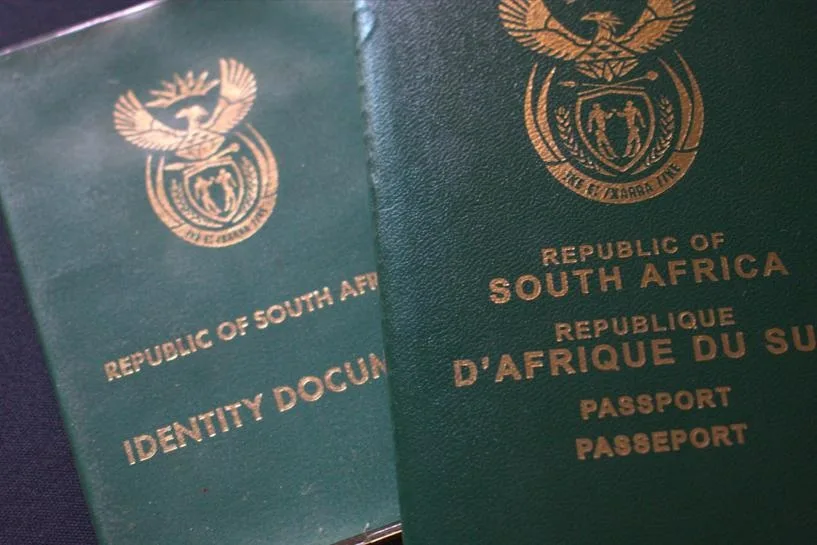
The South African cabinet has approved far-reaching reforms to the country’s immigration framework through a new White Paper on Citizenship, Immigration, and Refugee Protection. The changes aim to attract skilled workers and investment while addressing long-standing challenges in the current system.
Deputy Home Affairs Minister Njabulo Nzuza described the reforms as a major overhaul that consolidates separate pieces of legislation — the Citizenship Act, refugee protection laws, and immigration regulations — into a single, unified piece of legislation. He noted that the existing laws, developed shortly after 1994, lacked sufficient experience with global migration dynamics and had created conflicts and vulnerabilities that allowed abuse.
“The white paper… overhauls what were different pieces of legislation,” Nzuza explained. “Now we are bringing everything together into one piece of legislation that will regulate all.”
A core element of the reforms is the introduction of a points-based, merit-based system for both visas and pathways to citizenship. This system shifts the focus from time spent in the country to an individual’s skills, qualifications, economic contributions (including financial investments), and social contributions.
“Previously… you had a year-based progression system where a person would say they have stayed for so many years… and as such I deserve citizenship,” Nzuza said. “Now we are no longer going to be looking at the years — we are looking at contribution… We are going to be having economic pathways to citizenship… on a risk-based approach which means that we will now be allocating points for certain skills… how you are contributing… which then gives us at the end a total citizen that contributes to our own development.”
The points system will be dynamic, with priority given to skills in short supply at any given time, such as engineers and AI technicians. The Department of Home Affairs will work with the Department of Higher Education and Training to identify critical skills needs, which may change as local capacity develops.
To improve efficiency, the department plans to introduce periodic application windows for citizenship and permanent residence rather than processing applications on an ongoing basis. A Citizenship Advisory Panel will also be established to advise on high-scoring skills and profiles needed for national development.
The reforms place strong emphasis on security and regular migration. Nzuza highlighted the introduction of an electronic travel authorization system as part of the department’s digital transformation agenda.
On asylum and refugee management, the White Paper seeks to curb abuse where economic migrants masquerade as asylum seekers. Key changes include:
- Requiring conditional admission rather than automatic entry upon claiming asylum.
- Enforcing the principle that South Africa should not be treated as the first safe country for those who have passed through other safe nations, in line with international conventions.
- Relocating refugee reception centres closer to the borders for faster adjudication.
- Introducing virtual refugee reception options to prevent people without status from entering the country freely.
“The aim here is that we must receive true and honest refugees as against receiving economic migrants who are then masquerading as refugees or asylum seekers,” Nzuza stated. “That will make people enter the country in more regulated… legal means.”
Regarding the Zimbabwean Exemption Permits (ZEP), Nzuza confirmed that the special permits were always intended as a temporary measure. Holders are encouraged to apply through regular legal pathways for permanent residence or other visas, with each application assessed on its individual merits rather than through a blanket approach.
Home Affairs Minister Leon Schreiber has described the reforms as making the system more efficient and secure. Following cabinet approval of the White Paper, the Department of Home Affairs will now proceed to draft the necessary legislation to implement these policy changes.
The proposed overhaul represents one of the most significant updates to South Africa’s immigration and citizenship framework in decades, aiming to balance economic needs, national security, and international obligations.